






 Portuguese
  Spanish
  3 min of reading
  0 comments


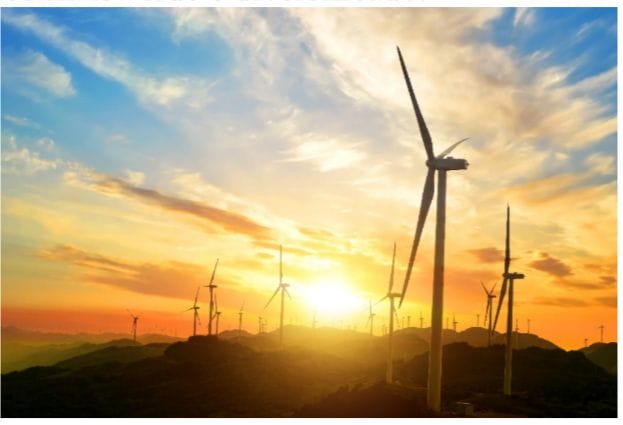
Innovation in São Paulo Metro: Wind Turbine Tested in Tunnels Generates Clean Energy from Train Winds.
In an impressive demonstration of innovation, the São Paulo Metro tested this week a wind turbine for clean energy generation in its tunnels. Conducted between the Brigadeiro and Paraíso stations of Line 2-Green for 9 consecutive days at the end of last year, the project utilized wind generated by the movement of trains to power the turbine and generate electricity. With promising initial results, the turbine showed the capacity to generate up to 800 kilowatts per day, illuminating tunnels or a medium-sized station and marking a significant step towards the metro’s energy independence.
Developed by the startup Vento VAWT in collaboration with the Instituto Tecnológico de Aeronáutica (ITA), this turbine stands out for its efficiency, capable of overcoming the aerodynamic drag effect common in other market models. Its compact size and high efficiency represent a revolutionary potential for the metro network and beyond.
Do You Know What Wind Energy Is?
Wind energy has been highlighted as a clean and sustainable energy source worldwide, and Brazil is no exception. In 2023, the country witnessed a significant increase in the installation and utilization of wind parks, marking an important step towards a greener and more diverse energy future.
-
Brazilian scientists are simultaneously advancing two research projects on clean hydrogen and driving solutions that could transform the energy matrix, enhance industrial competitiveness, and accelerate large-scale emission reduction targets.

-
Advancement in renewable energy: A R$ 150 million project launched by Petrobras and Finep aims to create state-of-the-art electrolyzers for green hydrogen, strengthening national research and preparing Brazil to compete in a billion-dollar energy market.
-
Illiterate or semi-literate grandmothers were trained to repair solar systems, open rural workshops, and light up homes that still depended on kerosene.
-
The world has bet on green hydrogen as the fuel of the future, but now faces the side effect: producing 1 kilogram requires about 9 liters of ultrapure water, and the largest projects on the planet are precisely in the driest regions of the Earth, where water is already scarce for people.





Expansion of Installed Capacity
In 2023, Brazil continued to invest in expanding its installed capacity of wind energy. New wind farms were developed and inaugurated in various regions of the country, taking advantage of the favorable winds that characterize many parts of Brazilian territory.
Contribution to the Energy Mix
Wind energy plays an increasingly important role in the Brazilian energy mix. In 2023, it established itself as one of the main sources of renewable energy in the country, alongside hydroelectric and solar.
The diversification of the energy matrix is crucial to ensure energy security and reduce dependence on non-renewable sources, such as coal and oil. Wind energy offers a reliable and sustainable alternative, helping Brazil advance towards its carbon emissions reduction and climate change mitigation goals.
Job Creation and Regional Development
In addition to its environmental and energy benefits, wind energy also has significant economic implications. The construction and operation of wind farms generate local jobs and stimulate regional development, especially in rural and semi-arid areas.
These projects provide direct job opportunities in the installation and maintenance of turbines, promote the growth of related industries and services such as component manufacturing, logistics, and consulting.
Growth of Wind Energy in Brazil in 2023
This advancement in the São Paulo Metro exemplifies the dynamic growth of wind energy in Brazil, which in 2023 continued to expand its installed capacity with new wind farms across the country. With favorable winds characterizing many regions, Brazil solidified its position as a leader in renewable energy in Latin America.
In addition to contributing to the national energy mix, wind energy has proven essential in reducing carbon emissions and promoting sustainability. The diversification of the energy matrix is crucial not only for energy security but also for economic and regional development, creating jobs and stimulating growth in less developed areas.
Challenges and Opportunities
Despite the advances, the expansion of wind energy in Brazil faces challenges such as inadequate transmission infrastructure and complexities in environmental licensing. However, these challenges also open opportunities to improve policies and practices that can further boost the sector.
As Brazil moves towards a more sustainable energy future, initiatives like the wind turbine at the São Paulo Metro are expected to inspire more innovative projects in 2023 and beyond.





Be the first to react!