






 Portuguese
  Spanish


Turkey Reveals Gazap and NEB-2 Bombs at International Fair; Non-Nuclear Weapons Impress with Thermal Power and Subterranean Destruction Capability.
Turkey unveiled two of its most powerful non nuclear bombs during the 17th International Defense Industry Fair (IDEF) in Istanbul.
The event, which took place over six days, served as the public debut for the Gazap bomb and the bunker buster NEB-2.
Both weigh about 970 kg and were developed for different types of attacks, but share one common feature: extremely high destructive power.
-
OnePlus N6 Smartphone to Launch in India with 8,000mAh Battery and 45W SuperVOOC Charging, Lasting Up to Three Days

-
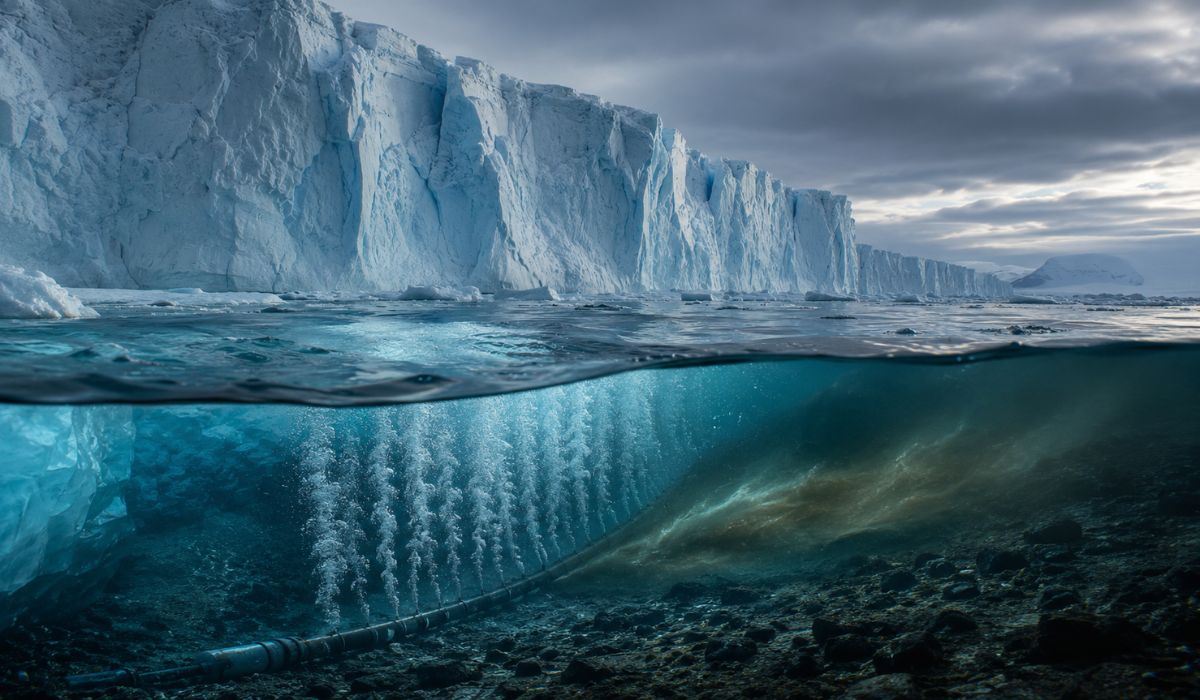
Scientists Plan to Release Air Bubbles Underwater to Protect Antarctica’s “Doomsday Glacier” from Melting

-
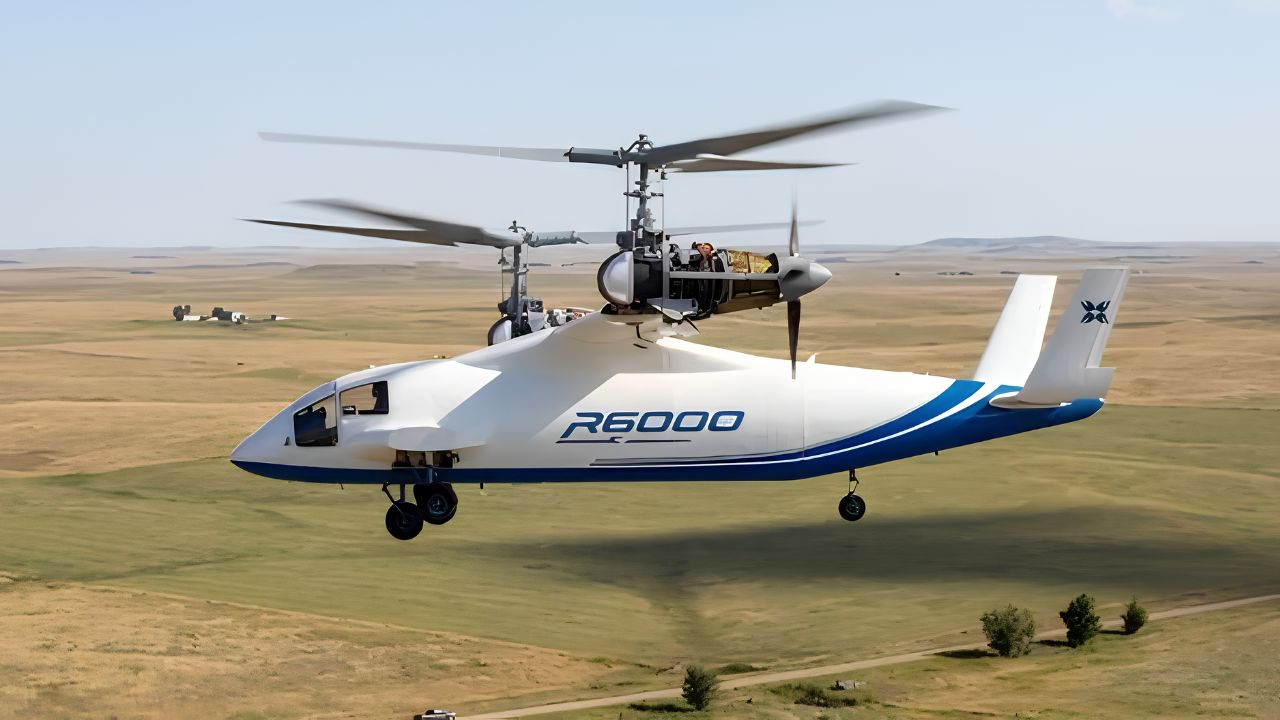
Chinese R6000 Drone Combines Airplane and Helicopter Features, Carries Up to 12 People for Multiple Missions
-
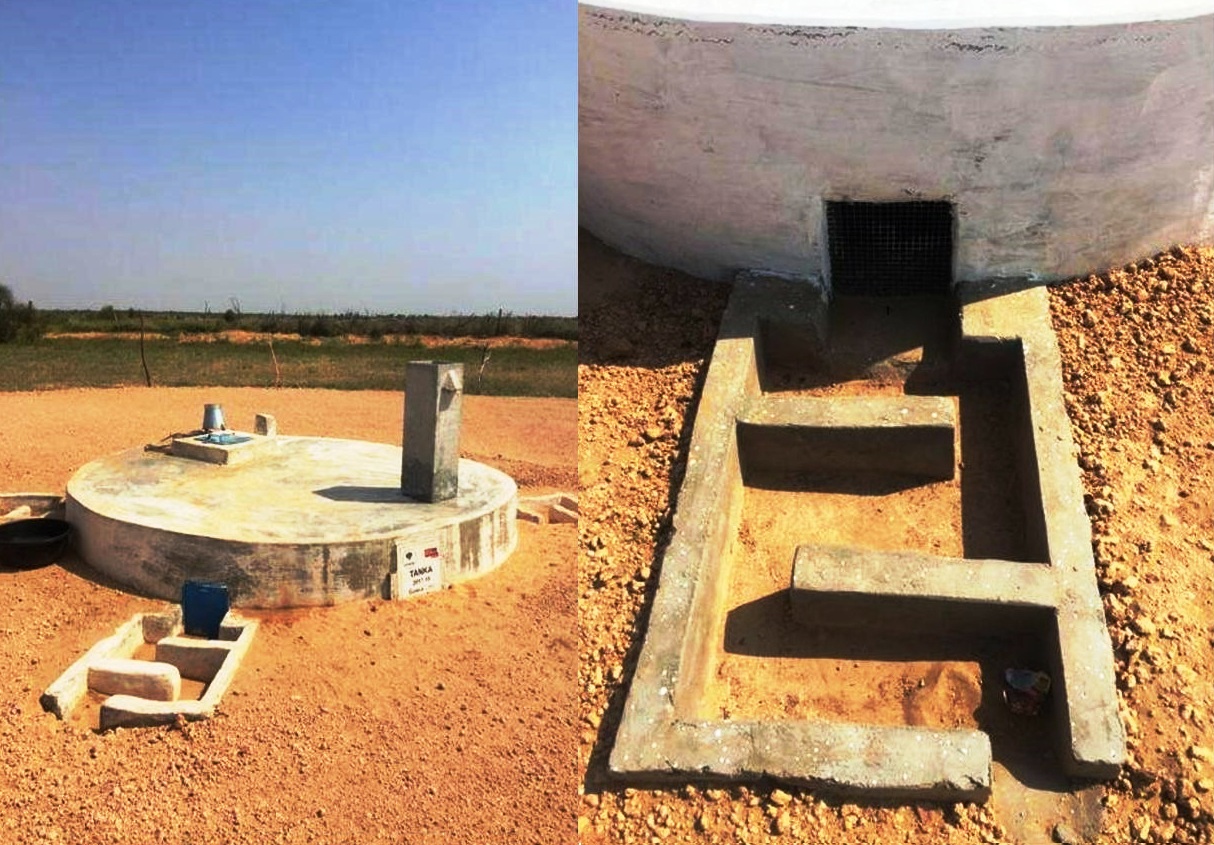
In the World’s Most Densely Populated Desert, Families Dig Funnel-Shaped Underground Cisterns to Capture Rare Rainfall and Store Drinking Water for Up to Eight Months


The Gazap and Its Extreme Fragmentation
The Gazap bomb, which means “Rage” in Turkish, was the main attraction of the fair. It is the most powerful non-nuclear weapon ever developed in the country.
The distinguishing factor is its fragmentation capacity, which surpasses the standards of conventional MK-series bombs.
According to Nilufer Kuzulu, who led the design team, the Gazap releases 10,000 fragments upon detonation.
This amounts to 10.16 fragments per square meter, more than three times the average of traditional bombs, which release about three fragments per square meter.
Most importantly, these fragments do not scatter randomly. The Gazap utilizes a standardized fragmentation system, similar to that of a defensive grenade. This approach ensures more efficient and destructive dispersion, increasing the explosion’s impact over wide areas.
In military tests, the bomb’s explosion created a giant smoke cloud, followed by shock waves that covered a radius of 160 meters. The initial flash impressed even the experts who witnessed the trials.
Temperatures Capable of Melting Steel
Another remarkable point about the Gazap is its thermobaric nature. The bomb uses a fuel-air system that generates high pressure and extreme heat. Temperatures can reach 3,000 °C, sufficient to melt steel and concrete.
This type of armament causes severe damage to infrastructure and can incinerate bodies down to the bone. Therefore, its use is considered one of the deadliest within the conventional arsenal, even without resorting to nuclear weapons.
The bomb can be carried by F-16 and F-4 Phantom jets of the Turkish Air Force. Additionally, there are plans to make it compatible with drones in future versions, which would further enhance its applicability in various war scenarios.
NEB-2: The Ghost Bunker-Busting Bomb
While the Gazap is aimed at wide area destruction, the NEB-2 Ghost (or Hayalet) has a different objective. Designed for deep penetration, this bomb has been described by officials as the most effective for bunker destruction ever produced in Turkey.
During the fair, engineers revealed that the NEB-2 surpasses even American missiles used for nuclear plants. While U.S. missiles can penetrate up to 2.4 meters of C35 concrete, the NEB-2 can penetrate 7 meters of C50 concrete, a material three times more resistant.
This performance was validated during tests. In a launch conducted on an isolated island, the bomb penetrated 90 meters into the ground before exploding. The impact generated landslides and completely destroyed structures around the area, with a destruction radius similar to that of the Gazap.
Programmed Delay Detonation System
The secret behind this penetration capability lies in the detonation time. Conventional bombs explode about 25 milliseconds after impact. The NEB-2, however, is programmed to detonate after 240 milliseconds. This delay gives the bomb ample time to reach greater depths before exploding.
According to one of the officials responsible for the demonstration, this extra time makes the explosion more devastating. The energy accumulates and is released at strategic points, increasing effectiveness against reinforced underground structures.
The presentation of these weapons at IDEF 2025 reinforces Turkey’s advancement in the defense sector. The fair, which was supported by the Turkish Ministry of Defense Industries and the Turkish Armed Forces Foundation, offered the local industry a global showcase.
In addition to the Gazap and NEB-2, the event brought together exhibitors and officials across four locations: the Istanbul Fair Center, Ataturk Airport, WOW Hotel, and Atakoy Marina. This structure allowed a broad demonstration of Turkey’s technological prowess in the military field.
Thus, IDEF 2025 solidified the country as one of the major developers of non-nuclear weapons with high destructive potential.
With bombs capable of melting concrete and penetrating unprecedented depths, Turkey makes it clear that it intends to compete with traditional powers in the sector.


