





 Portuguese
  English
  Spanish
  5 min of reading
  0 comments


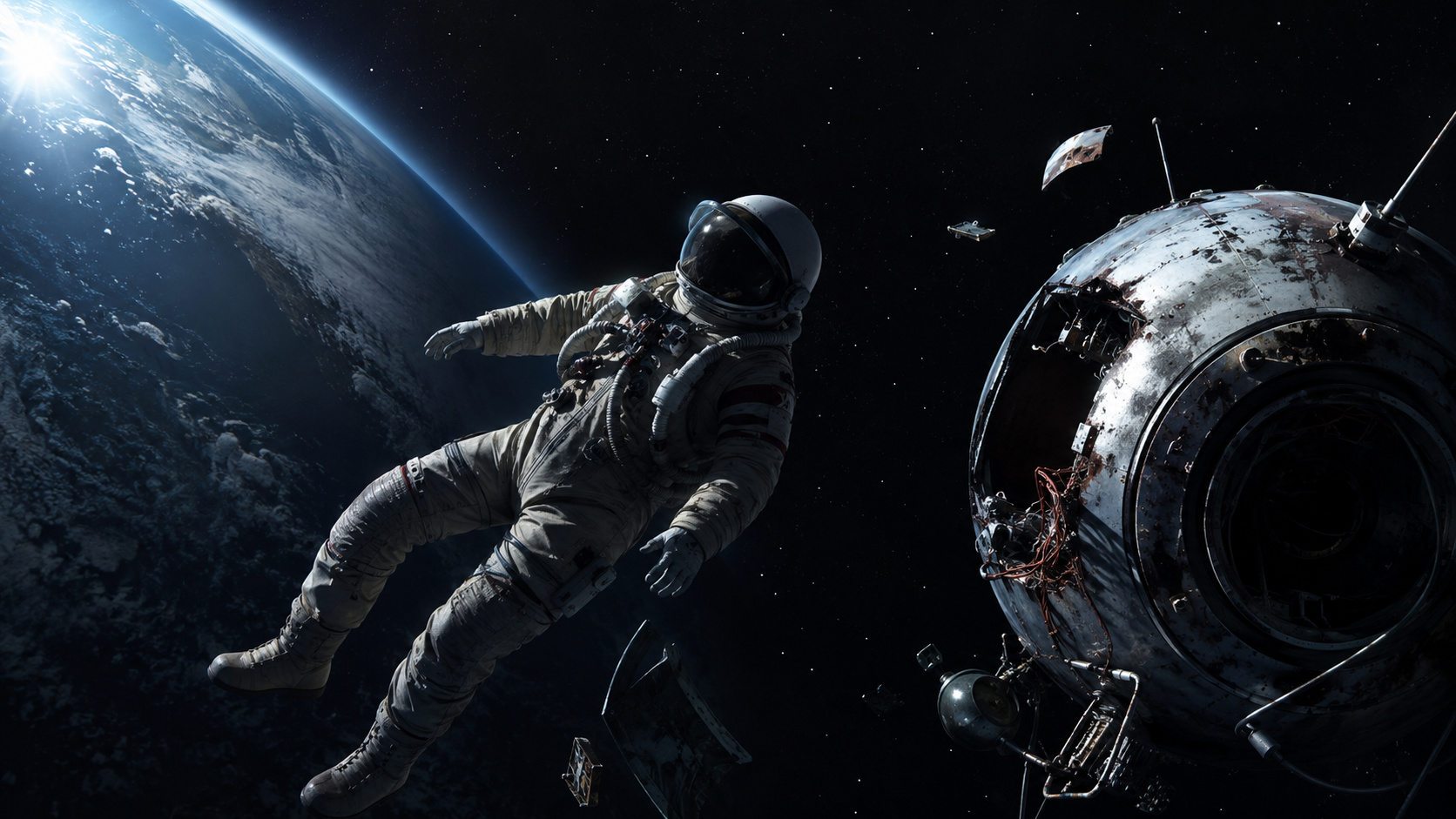
Italian brothers claimed to have recorded lost Soviet cosmonauts before Yuri Gagarin, but specialists and later documents did not confirm the story.
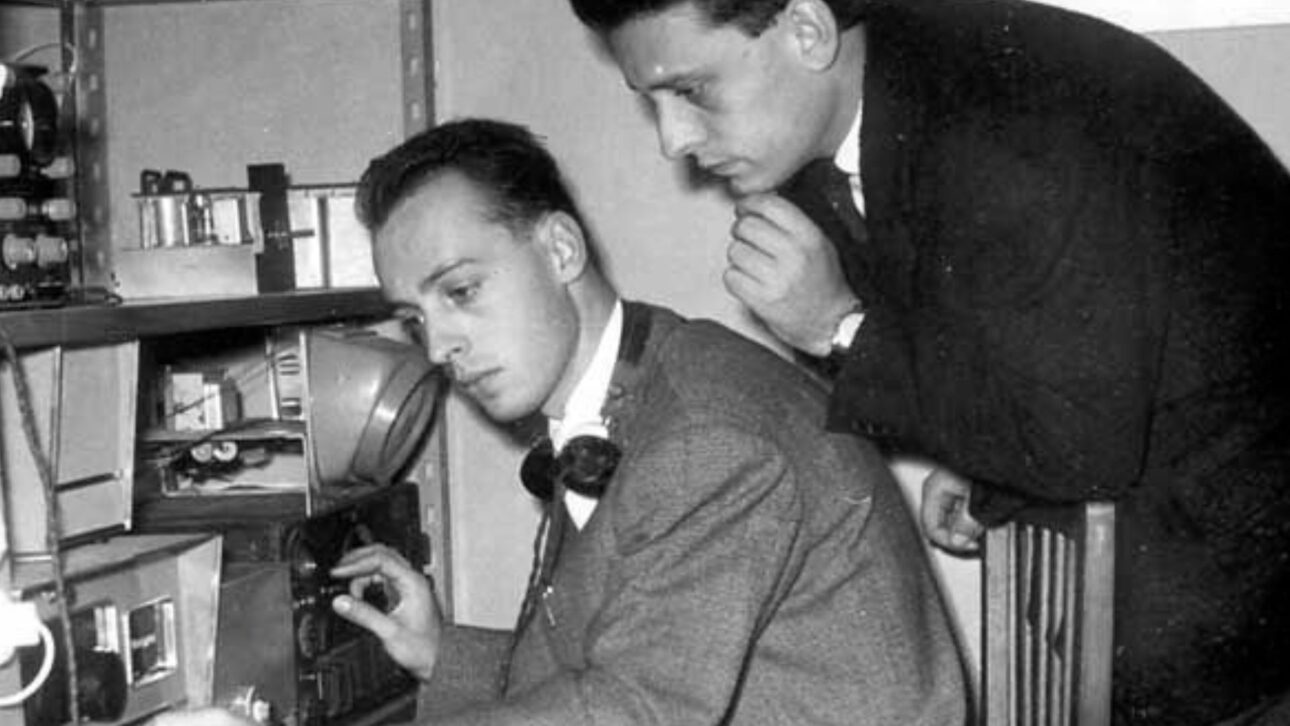
According to The Debrief, Italian brothers Achille and Giovanni Battista Judica-Cordiglia set up an experimental listening station called Torre Bert at the end of the 1950s, installed in an abandoned German bunker on the outskirts of Turin. With improvised equipment, repurposed parts, and antennas they built themselves, the two managed to capture signals from real space missions, such as Sputnik and Explorer 1, the first American satellite.
This technical capability gave the station international fame. According to The Debrief, over four years the brothers released a series of recordings they claimed to have intercepted from secret and failed Soviet missions. The tapes included an alleged SOS in Morse code, sounds that were interpreted as the breathing of a suffocating cosmonaut, and later, the voice of a supposed woman in atmospheric reentry, in a recording that helped consolidate the legend of the so-called lost cosmonauts.
Torre Bert became a central piece of one of the most persistent stories of the space age
According to The Debrief, the strength of the story lies in the contrast between the precariousness of the structure and the ambition of what the brothers claimed to have done. Without official support, without university infrastructure, and working with scrap material, they set up a station that caught the attention of the press and became a reference for those following the early years of the space race.
-
A company from the interior of Santa Catarina receives wood from sawmills that would last one or two years and returns it with a guarantee of over 15; the secret of treated wood lies in replacing the sap of eucalyptus and pine with a chemical solution in a process of about 10 days.

-
A resident of a town with 6,000 inhabitants accidentally threw away a winning scratch-off ticket and realized the mistake after the family had already taken the bag away; he dove into the trash in time and retrieved a ticket worth about R$ 506,000.
-
A 21-year-old woman was carried in the arms to the platform and launched from about 40 meters in a bungee jump in Limeira while a rope appeared coiled on the ground behind the group; witnesses were shouting something that no one around managed to stop in time.
-
Each main referee of the 2026 World Cup can pocket around R$ 510,000 for less than two matches on average; the estimated amount by the press seems high until someone remembers that a single mistake on the field can mark an entire career.


The narrative gained appeal because it fit perfectly into the climate of the Cold War. The Soviet Union was secretive, the space race was politically explosive, and the idea that Moscow could hide human failures before Yuri Gagarin seemed plausible to many people.
According to Space.com, the brothers’ recordings were treated for decades as a possible clue that Soviet manned flights prior to Gagarin’s could have ended in tragedy.
It is precisely there that the strength of the myth is born. The tapes did not survive just because of what they contained, but because they appeared at a historical moment when the world already knew that the Soviets were hiding some of their accidents and failures. This gave the story an appearance of possible truth, even without conclusive proof.
The recordings became famous, but critics point out technical and historical flaws
According to The Debrief, skeptical researchers highlight that the brothers indeed operated a relatively sophisticated tracking station for the time, but this is not enough to prove the more dramatic claims. The central point of criticism is that picking up real satellite signals does not equate to proving that those specific recordings corresponded to secret Soviet manned missions.
According to Space.com, there are also technical and historical problems with the claims. Other listening stations did not confirm the transmissions described by the brothers, and some experts consider it unlikely that a parallel Soviet program of failed manned flights could have existed without leaving consistent traces in archives, memories, and documents released after the collapse of the USSR.
The strongest criticism is simple: since the opening of Soviet documents and internal accounts of the space program, no solid evidence has emerged that secret cosmonauts died in orbital missions before Gagarin. This does not eliminate the existence of Soviet secrets in the space era, but it greatly weakens the hypothesis of a hidden sequence of fatal human flights.
The myth survives because it mixes real technology, Soviet secrecy, and Cold War fear
The story of the Judica-Cordiglia brothers remains alive because it combines three powerful elements. The first is that Torre Bert existed and actually operated.
The second is that the Soviet Union indeed hid important episodes of its space history for many years. The third is that the tapes released by the brothers had the perfect dramatic charge to span decades.

According to The Debrief, even skeptics acknowledge that the brothers assembled a remarkable library of space race recordings and that their station was an impressive technical feat for two amateurs working with limited resources. The dispute was never about the existence of the station, but rather the authenticity of the most controversial tapes.
According to Space.com, it is precisely this mix of fact, technical improvisation, Soviet propaganda, and Cold War gray areas that keeps the case fascinating to this day. The story survives less because it was proven and more because it never completely lost its ability to seem possible.
What can be safely stated about the lost cosmonauts
Based on what was published by The Debrief and Space.com, it can be safely stated that the Italian brothers operated a real listening station, recorded legitimate signals from the space era, and helped create one of the most enduring legends in the history of the space race.
It can also be stated that the claims about Soviet cosmonauts lost before Yuri Gagarin remain without robust proof.
The lack of confirmation by other stations, the technical inconsistencies, and the absence of convincing evidence in the Soviet archives opened after the fall of the USSR lead most experts to treat the story as a myth or, at the very least, as a deeply dubious narrative.
In the end, the legend of the lost cosmonauts remains powerful because it speaks less about what really happened in space and more about how the Cold War produced an environment where even silence and noise could seem like signals of a hidden tragedy above the Earth.






Be the first to react!