Portuguese
  Spanish


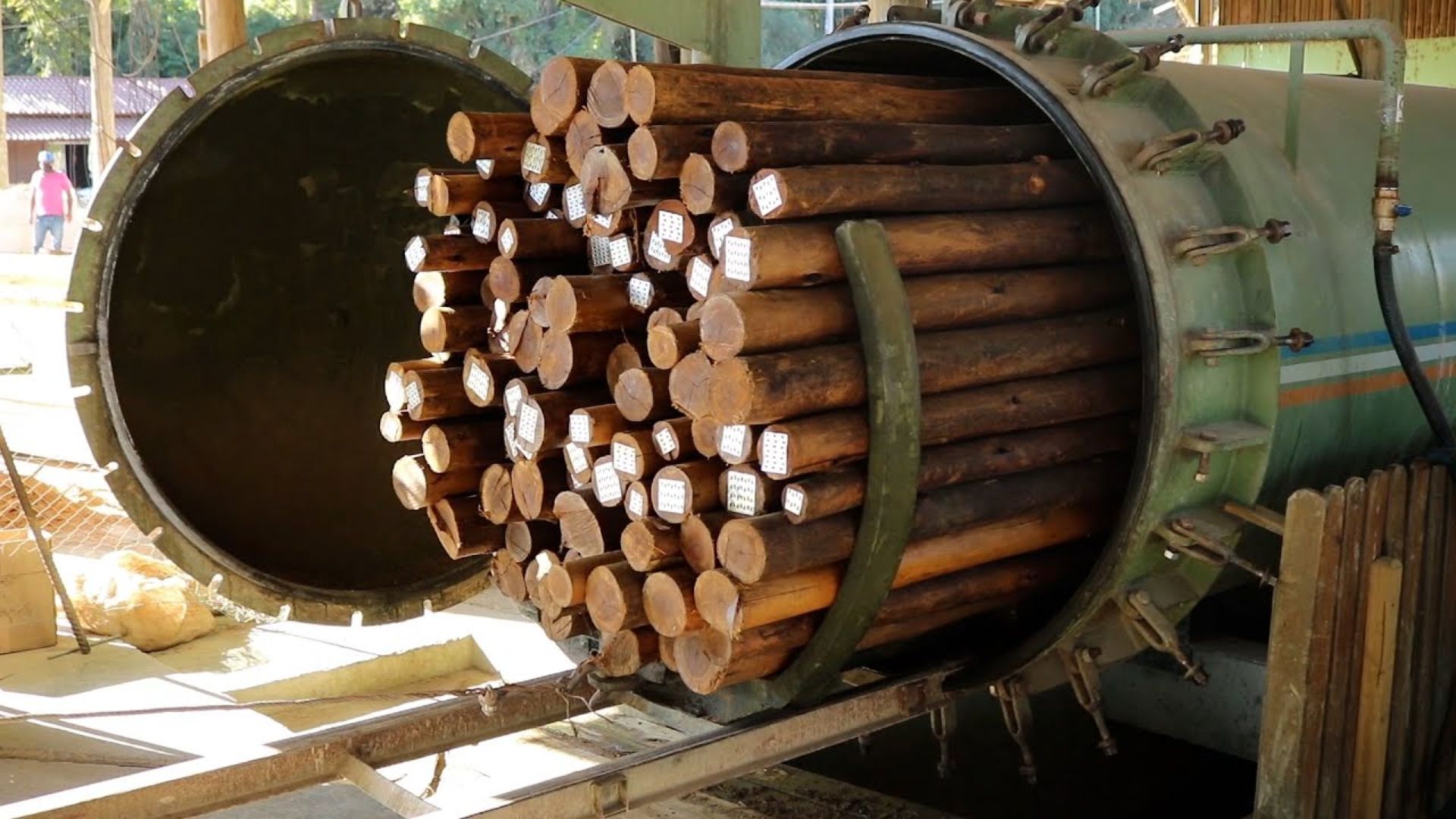

In Aurora, in the Alto Vale do Itajaí, a company transforms eucalyptus and pine that would last one or two years into wood with a guarantee of over 15 years. The secret of treated wood lies in replacing the sap with a chemical solution in the autoclave, in a process of about 10 days.
Wood that would last one or two years can last more than 15. It seems exaggerated, but there is an explanation. In a company in the interior of Santa Catarina, the treated wood process transforms eucalyptus and pine, which have low natural resistance, into durable construction material. And it’s not a simple bath.
According to the Vale Agrícola program, which visited the factory in Aurora, Santa Catarina, from the arrival of the wood to delivery takes about 10 days. The difference is that it is an industrial process, not just wood dipped in some liquid. In essence, treating the wood is replacing the natural sap with a chemical product that protects it from rotting.
Why eucalyptus and pine need treatment
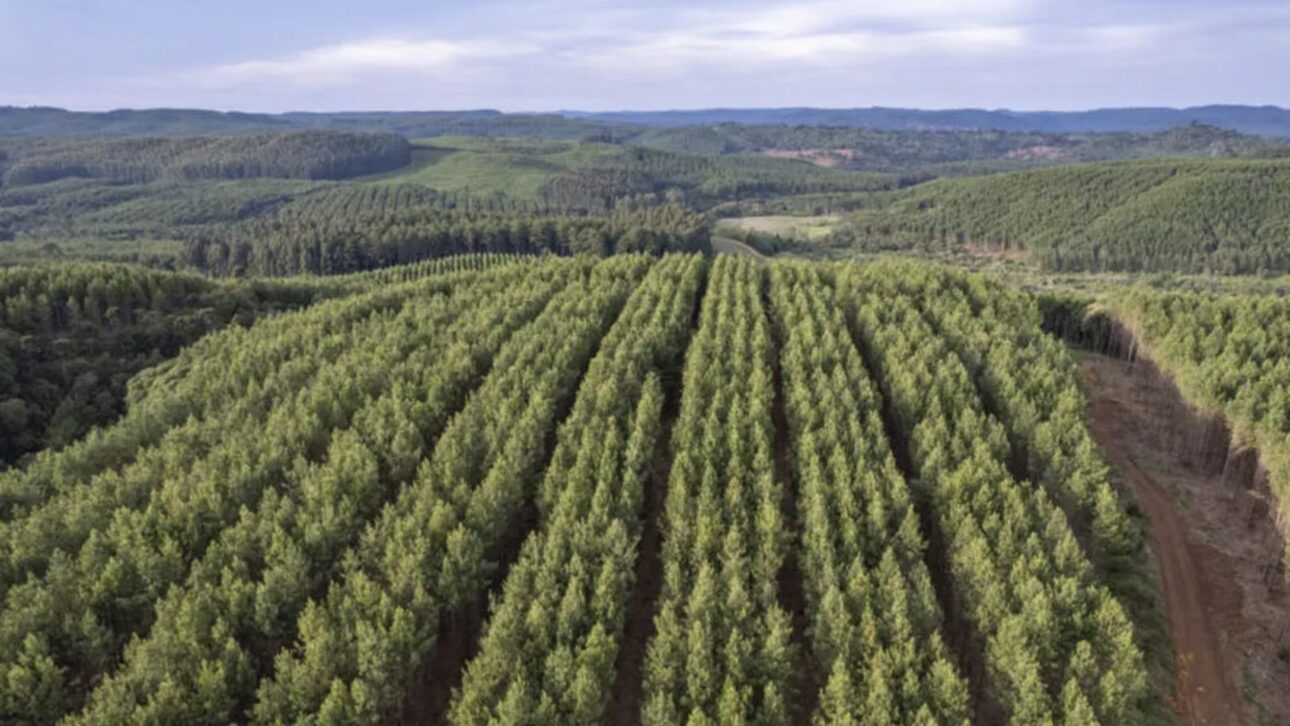
In the past, constructions used a lot of so-called hardwood, naturally more resistant.
-
World’s Largest Ice Cave Extends 42 km Beneath Austrian Alps, Revealing a Vast Frozen Realm Preserved by Natural Air Currents

-
Volcanic Soils from Destructive Eruptions Turn into Million-Dollar Crops: Ashes Nourish Grapes in Lanzarote, Bananas in the Canary Islands, Blood Oranges on Mount Etna, and Cacti in Mexico, Showcasing How Lava-Formed Lands Sustain Rare Harvests in Seemingly Barren Regions

-
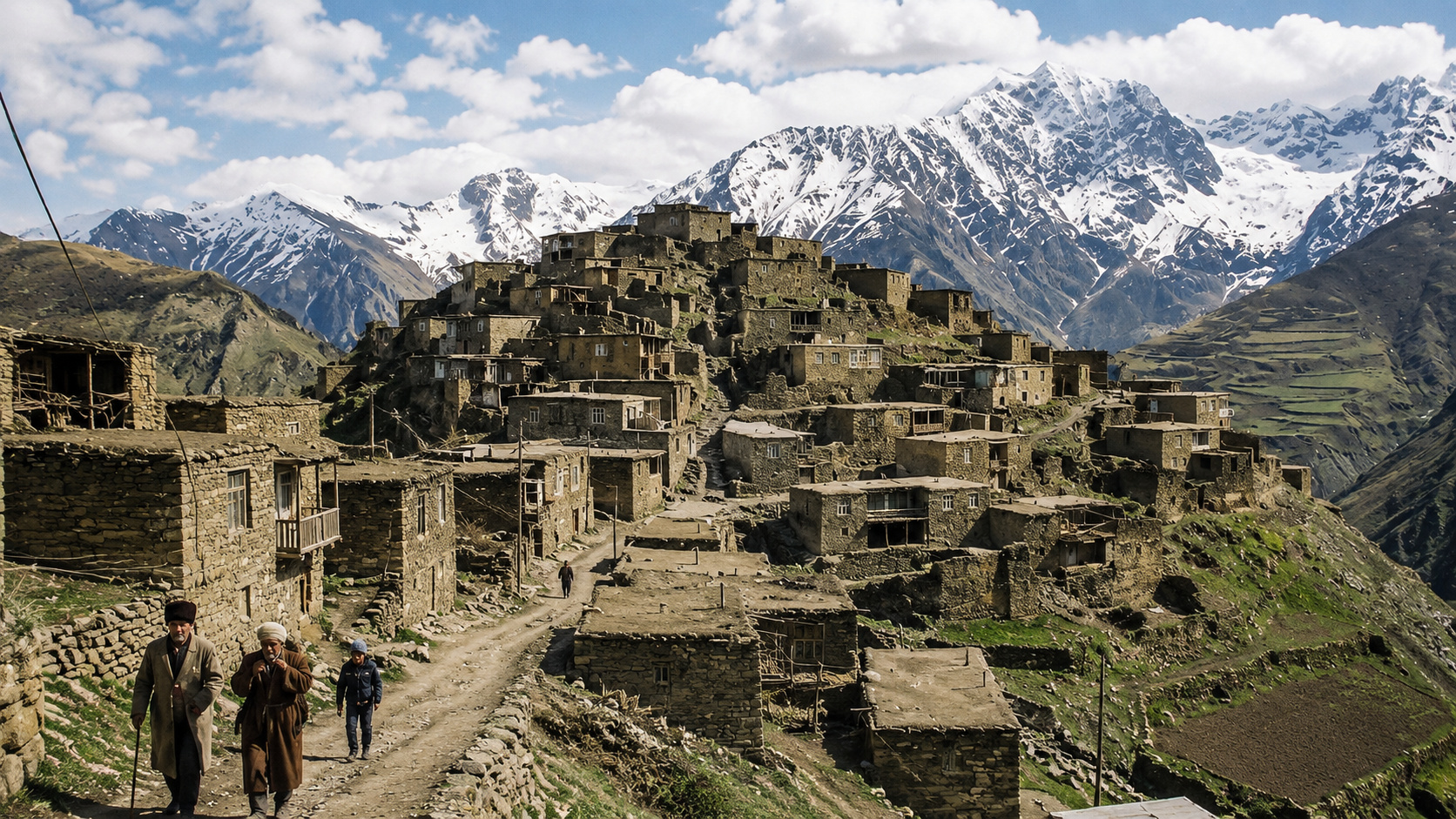
In the Caucasus Mountains, a Community Preserves a Language So Rare Few Outsiders Can Understand It

-
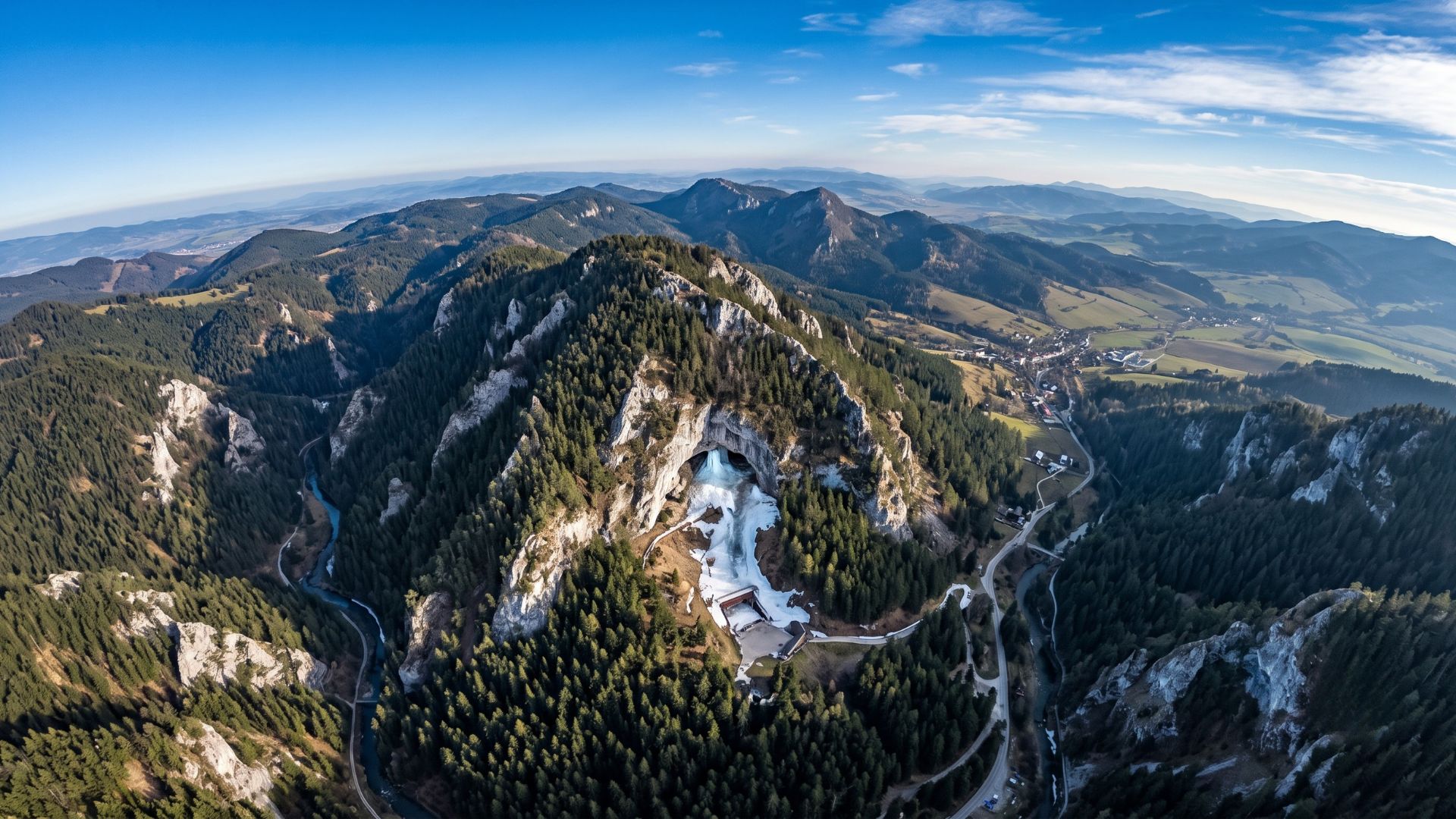
Slovakia’s Ice Cave Holds Over 110,000 m³ of Frozen Wonders, Boasts Walls Up to 27 Meters Thick, and Was Among the First Electrified Caves Globally


With restrictions on tree removal from forests, however, exotic and fast-growing species like eucalyptus and pine came into play.
The problem is that these trees have less natural resistance.
Alone, they would last a short time exposed to weather and humidity.
That’s when autoclave treatment became the solution, giving these woods the durability they wouldn’t have on their own. Thus, the logic of treated wood was born.
The kiln and humidity control
The treated wood process starts well before the chemical part.
The wood arrives from the sawmills and first dries in the open air. Then, it goes into a giant kiln, where the humidity is controlled with heat.
According to the company, this standardization stage lasts about 36 hours, and up to 100 cubic meters can fit per kiln load.
The goal is to bring the entire load to the same point.
It takes about a week for the wood to reach the ideal humidity, between 15 and 18 percent, according to the company.
This standardization is essential because if each piece dries differently, the autoclave product penetrates unevenly, and some are more treated than others.
The autoclave and the exchange of sap for the chemical product


This is the heart of the process. Treating the wood is nothing more than replacing the sap with a chemical product.
In the autoclave, the logs are bathed in a solution of water and CCA, a compound based on chromium, copper, and arsenic.
First, a vacuum is created to remove the air from the wood, and only then is the product injected, for about three hours, with a capacity of about 13 cubic meters at a time.
The dosage changes according to the species. The company works with different concentrations for eucalyptus and pine, slightly higher for eucalyptus, as each absorbs the product differently.
After leaving the autoclave, the wood still drips for 24 hours in a concreted area because the product is toxic.
Once dry, however, it no longer comes out, not even in rain or sun, and this is what makes treated wood so competitive.
What treated wood does, and what it doesn’t do
Here’s a warning that many people confuse.
The treatment prevents the wood from rotting, but it does not increase its mechanical strength.
In other words, buying treated wood makes the construction more durable because the piece doesn’t spoil, not because it can bear more weight.
These are different things, and the company itself makes a point of separating one from the other.
Another point is where the product actually reaches. In the autoclave, the chemical penetrates the outer part of the wood, called the sapwood, and not the core, the heartwood.
Therefore, when a treated piece is cut, it is important to protect the exposed area to prevent rotting, and in decks and residences, the recommendation is to use UV paint.
The environment also matters, because in dry and well-drained terrain, the wood lasts much longer than the 15-year warranty.
It’s no wonder that treated wood has been gaining ground in Brazilian construction.
It costs about 20 percent less than the old native wood from the north of the country and is already the base of many warehouses, although the use of wood in Brazil is still small compared to what is seen in the United States.
For eucalyptus and pine, the treatment was what opened the doors of construction industry.
And you, did you have any idea how much engineering is behind a simple post or deck? Would you use treated wood in your next project? Tell us in the comments, with respect for different opinions and experiences, and share this article with that friend who is building or renovating.