Portuguese
  Spanish


The amount circulating for World Cup referees, around R$ 510,000, comes from media estimates, not official FIFA data. It is a cap that changes according to the role and phase, and those who only referee the first phase earn less than those who reach the final.
Refereeing a World Cup seems like a ninety-minute job, with a uniform, whistle, and card in the pocket. But getting there is the result of years of evaluation, and the question everyone asks is straightforward, how much do World Cup referees earn? Estimates point to something close to R$ 510,000 for a main referee.
In the 2026 World Cup, FIFA assembled the largest refereeing group in the tournament’s history, 52 main referees, 88 assistants, and 30 video officials, 170 professionals in total, for 48 teams and 104 matches in the United States, Mexico, and Canada. British outlets estimate that a main referee can receive up to about US$ 100,000, or approximately R$ 510,000 at the June 2026 exchange rate. However, FIFA does not disclose individual payments.
How much World Cup referees really earn
The first point is that this number is an estimate, not official data.
-
Volcanic Soils from Destructive Eruptions Turn into Million-Dollar Crops: Ashes Nourish Grapes in Lanzarote, Bananas in the Canary Islands, Blood Oranges on Mount Etna, and Cacti in Mexico, Showcasing How Lava-Formed Lands Sustain Rare Harvests in Seemingly Barren Regions

-
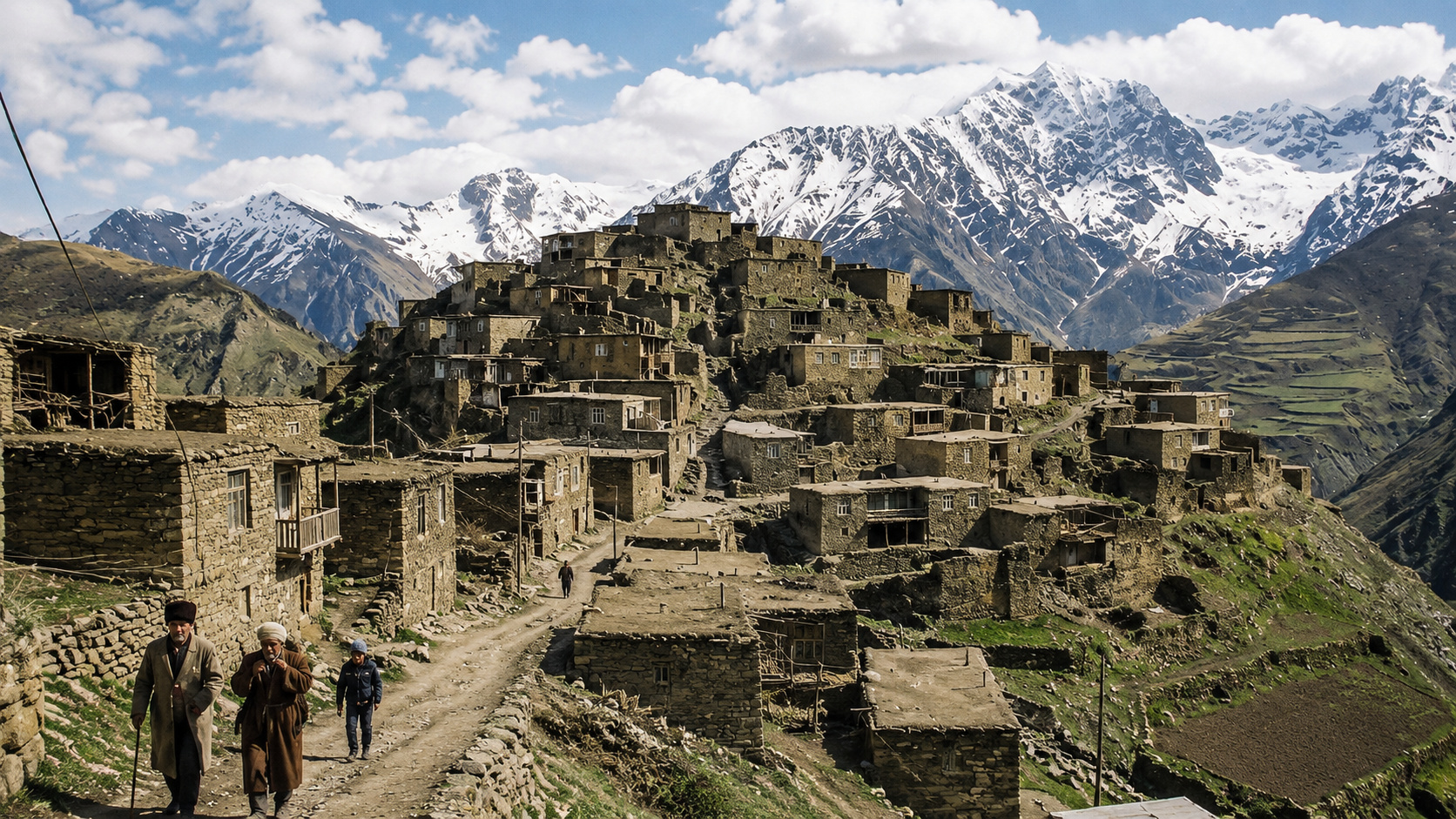
In the Caucasus Mountains, a Community Preserves a Language So Rare Few Outsiders Can Understand It

-
Slovakia’s Ice Cave Holds Over 110,000 m³ of Frozen Wonders, Boasts Walls Up to 27 Meters Thick, and Was Among the First Electrified Caves Globally

-
Street Cleaner Accidentally Receives $200,000 Transfer, Returns Unexpected Fortune to Rightful Owner


FIFA does not usually disclose a list with individual payments, so what is known comes from international sports reports and comparisons with past editions.
This is how British outlets arrived at the cap of about US$ 100,000 for a main referee in 2026. But the number varies.
And this cap does not fall equally for everyone. The amount changes according to the role, the duration of stay in the tournament, and the matches each one is assigned to.
Those who only referee the group stage tend to earn less than those who reach the round of 16, the semi-final, or the final.
In general, the calculation adds a participation fee with payments per match, and there are reports of extra bonuses for referees in the decisive phases in 2026.
Why they pay so much
The answer lies in the size of the risk. An error in any game already becomes a discussion.
In a World Cup, the same error becomes a global headline, triggers attacks on social media, pressures federations, and receives frame-by-frame analysis.
Sometimes, it marks an entire referee’s career.
It’s a pressure difficult to measure in money. Each decision happens in front of billions of eyes, without the right to a second of hesitation.
Therefore, for World Cup referees, the payment is seen less as a salary and more as the price of carrying this responsibility on the biggest stage in sports.
The modern referee has become a maestro of technology


The role of World Cup referees has also changed a lot in recent years.
Today’s referee doesn’t just run after the ball. They need to communicate with assistants, the fourth official, the video team, and replay operators, and in some cases even explain decisions to the stadium.
It’s almost like a conductor coordinating various fronts at the same time.
VAR is the best example of this shift. The technology has increased accuracy in many situations, but it has also raised the level of scrutiny.
Today, a decision can depend on centimeters, the angle of a camera, and the interpretation of a contact. The margin for error has become smaller, and the exposure greater.
Little compared to players, deep within the profession
In gross terms, there are 52 main referees for 104 matches.
This gives an average of about two matches per referee, although the actual distribution depends on performance, the nationality of the teams on the field, and the choices of the refereeing committee.
Not all, therefore, officiate the same number of games.
Compared to what players earn, the amount even seems small. A star can pocket more than that in just a few days of contract.
But, within the universe of World Cup referees, a World Cup edition is the pinnacle, financially and symbolically, of the profession.
It’s when the whistle becomes a kind of global microphone, capable of silencing an entire stadium in the blink of an eye.
In the end, the World Cup referees’ check says less about money and more about pressure.
The amount estimated by the press, around R$ 510,000, seems high until we remember that a single play can define a career.
The risk is enormous. And yet, it remains a fraction of what those with the cleats receive.
And you, do you think the World Cup referees are well or poorly paid considering the size of their responsibility? Has VAR made their work fairer or more scrutinized? Share your opinion in the comments, respecting different views, and share this article with that friend who is always debating refereeing in games.