Portuguese
  Spanish


The war between Russia and Ukraine has taken on frightening futuristic contours with the introduction of “attack dog robots” on the battlefield, an innovative technology that is leaving Russian soldiers concerned. The information was revealed by the Daily Mail, one of the UK’s largest newspapers, this weekend on its YouTube channel.
These quadruped robots are already a concrete reality in the Ukrainian trenches and have been performing crucial functions such as reconnaissance, supply transport, and even evacuation of the wounded.
How Does the Ukrainian Robot Dog Work?
Based on the Chinese model Unitree O2, these robots impress with their versatility and durability:
-
European Parliament Approves Digital Euro, Aiming to Challenge Visa and Mastercard’s Dominance and Transform Payments Across Europe by 2029

-
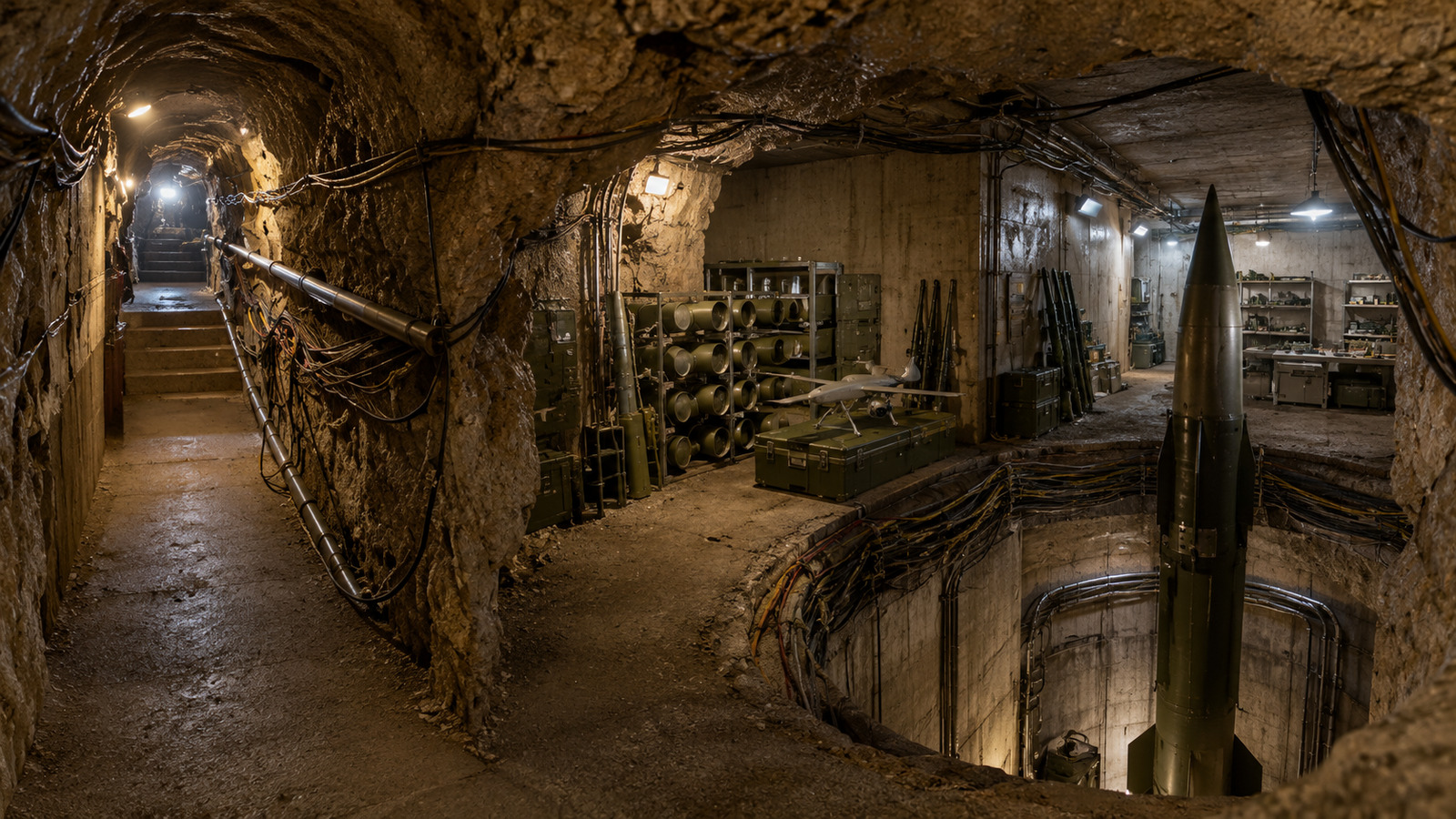
Israel finds Hezbollah militarized tunnel over 200 meters long under village, with 4 missile launch shafts, 12 chambers, anti-tank missiles, drones, and weapons depots at a depth of 25 meters.

-
Ukraine launches largest drone attack on Moscow since 2022, Russia claims to have intercepted nearly 200 aircraft near the capital, Kapotnya refinery targeted again, and offensive reignites alert about war reaching the Russian energy heart just a few kilometers from the Kremlin.

-
Truck drivers, freight, and fines from 2022 take center stage in politics: Chamber approves MP with amnesty, mandatory tracking by CIOT, million-dollar penalties, and new minimum wage for those who spend more than 24 hours on the road.



- Advanced Movement: Can run up to 16 km/h and have advanced sensors that allow them to climb complex obstacles.
- Payload: They comfortably transport up to 8 kg, with an expanded capacity of 12 kg in emergencies.
- Autonomy: The battery lasts up to 4 hours of continuous operation.
- Integrated Communication: Equipped with Bluetooth, Wi-Fi, and 4G, they allow for remote communication and live image transmission.
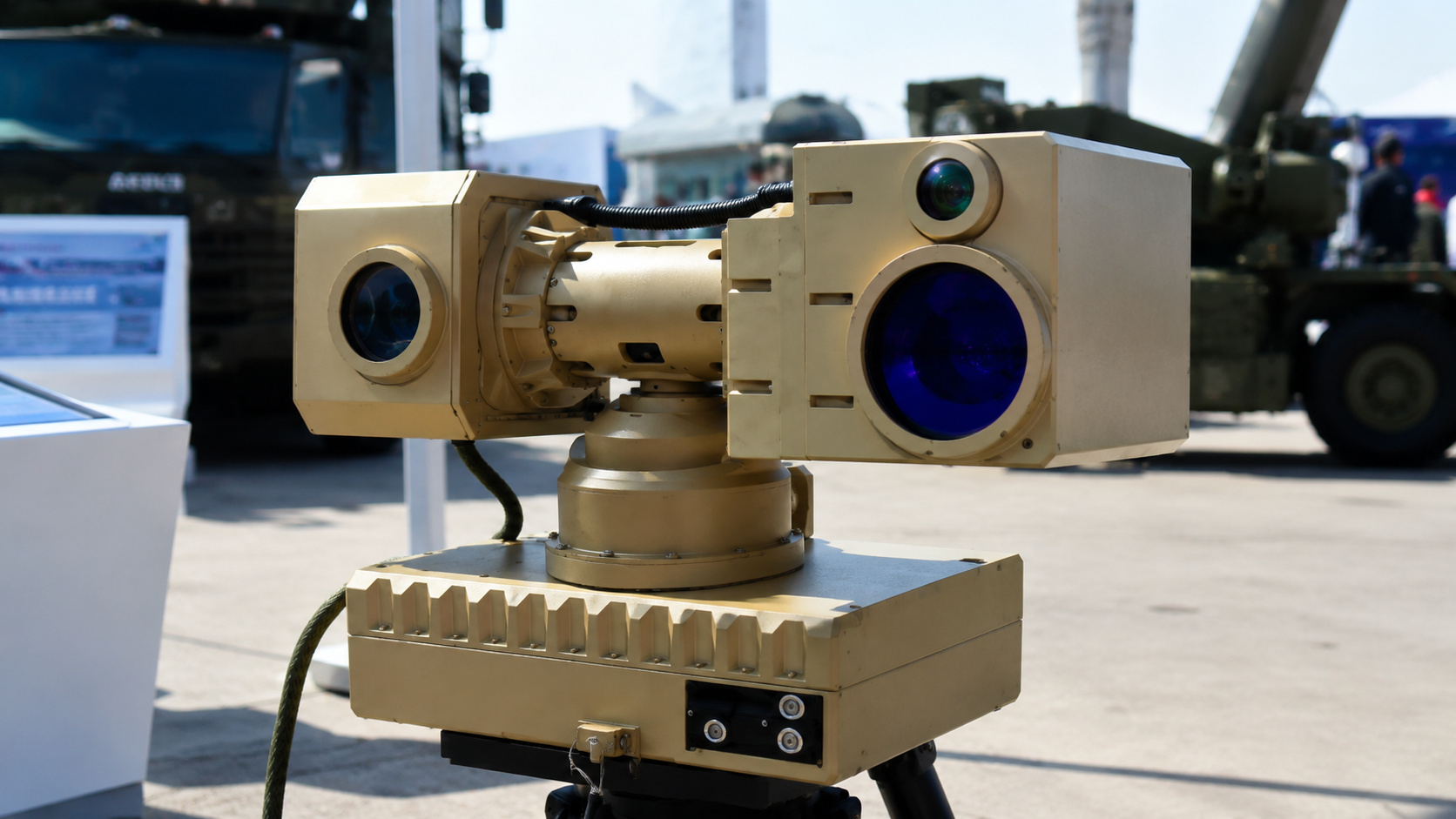
- Environmental Awareness: HD cameras, LiDAR (laser radar), and infrared sensors ensure safe and precise navigation.
Main Functions of the Robot Dog on the Battlefield
These “metal dogs” have been employed by Ukraine especially in reconnaissance operations, avoiding the exposure of human soldiers to the imminent dangers of land conflicts.
Here are some of the main functions:
- Exploration of dangerous urban areas.
- Identification of minefields and traps.
- Emergency transport of ammunition and medicine.
- Support in the rapid evacuation of the wounded in combat zones.
Practical Example of Military Use
The “Cartier Brigade,” also known as the “Billionaire Brigade,” stands out for its intensive use of these robot dogs. According to information from the British portal Forces News, since the summer of 2024, Ukrainian soldiers have been training with this equipment, developing specialized tactics to integrate them into combat.
The robots have been especially effective in environments where aerial drones face limitations, such as densely wooded areas or significant cover, which are impossible to observe from the air.
Scary Use: Dog with Flamethrower
A video recently released by the Daily Mail shows one of the robot dogs equipped with a flamethrower, offering a chilling glimpse into the possible future of robotic warfare. Although there are currently no confirmed reports of this type of equipment being used directly on the battlefield, the image of the robot emitting flames is a disturbing demonstration of the military potential of this technology.
Comparison of Technologies Used in War
| Technology | Main Use | Limitations |
|---|---|---|
| Satellites | Strategic Reconnaissance | High cost, low update frequency |
| Aerial Drones | Monitoring and Attacks | Vulnerable to interference, limited by weather conditions |
| Robot Dogs | Tactical Reconnaissance | Lower energy autonomy, difficulties in extremely rugged terrain |
Future Scenario of Armed Conflicts
Richard Pendlebury, a specialized journalist from the Daily Mail, states that although these robots are not yet fully adapted for direct combat, there are already international projects to equip them with lethal weapons, such as rifles and grenade launchers.
Ukraine, however, is focusing its efforts primarily on protecting human lives, employing robots to replace soldiers in high-risk tasks.
Strategic Benefits of Military Robots
- Reduction of Human Casualties: Crucial preservation of soldiers.
- Operational Efficiency: Ability to operate continuously without physical or psychological wear.
- Rapid Adaptation: Possibility of quickly altering functions and equipment according to operational needs.
Russian Reaction to This Diabolical Innovation
Russian forces, on the other hand, are facing increasing pressure from this technology, finding themselves forced to develop quick countermeasures to neutralize the effectiveness of these robots, something that so far has proven challenging.
This new technological chapter in the war in Ukraine signals a revolution in future combat, where artificial intelligence and robotics will become increasingly present and decisive.