Portuguese
  Spanish


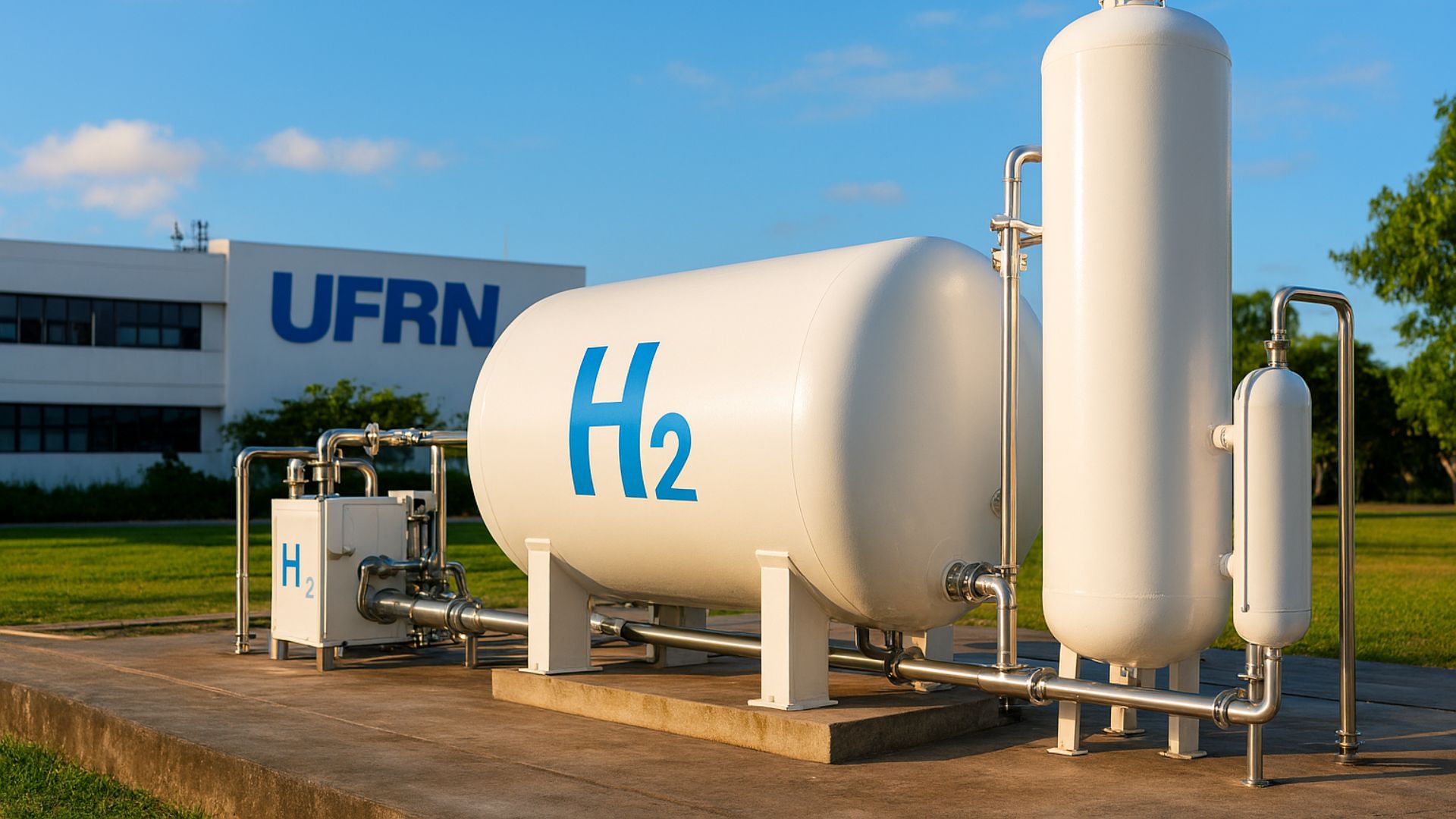

UFRN Seeks to Advance Green Hydrogen Production with the New BioSiSH2 Reactor, Expanding Research in Renewable Energy and Strengthening Technological Development in the State
On November 24, 2025, the Federal University of Rio Grande do Norte (UFRN) will inaugurate the BioSiSH2 reactor, a high-tech equipment aimed at producing renewable hydrogen from biogas. The ceremony will take place at the Djalma Ribeiro da Silva Research Center, with the presence of authorities such as Rafael Silva Menezes, representative of the Ministry of Science, Technology and Innovation (MCTI).
BioSiSH2: Cutting-Edge Technology for Green Hydrogen
The reactor will integrate the Brazilian Hydrogen Laboratory System (SisH2-MCTI), consolidating UFRN as a national reference in sustainable technologies. This initiative positions Rio Grande do Norte as a leader in Brazil’s energy transition.
The BioSiSH2 will consist of two main modules:
-
Fired during apartheid and with a little borrowed money, an electrician started with a borrowed truck and transformed electrical services into a group connected to energy, real estate, and infrastructure in South Africa.

-
Wood has ceased to be just a construction material in Yale research and has become insulation for electrical transformers that face intense heat, aging, and increasing pressure from the renewable energy-powered grid.
-
More than 1,000 residents of a remote island in Kiribati now have clean water and electricity with solar systems operated by the community itself.
-
Ceará brings together 7 giants and R$ 66 billion to transform Pecém into the largest green hydrogen hub in Brazil, with final decisions expected by the end of 2026.



- Methane Reforming: converts biogas into syngas, composed of hydrogen and carbon monoxide.
- Fischer-Tropsch Synthesis: transforms syngas into liquid fuels and other high-value-added compounds.
This structure allows for the production of green hydrogen with lower environmental impact, using organic waste as the primary source. The technology is strategic for the decarbonization of the national energy matrix.
Furthermore, the reactor will be able to simulate different operational conditions, which broadens the possibilities for applied research and the development of new industrial processes.
Green Hydrogen as a Vector for Renewable Energy at UFRN
Green hydrogen is produced through processes that do not emit greenhouse gases, such as water electrolysis with solar or wind energy. In the case of BioSiSH2, the difference is in the use of biogas, a byproduct of organic waste, such as sewage and urban trash.
In Brazil, the potential for hydrogen is greater, thanks to the abundance of renewable sources and biomass. UFRN bets on this global trend to boost research and technological innovation in the Northeast.
Rio Grande do Norte: Strategic Hub for Renewable Energy
Rio Grande do Norte is already one of the national leaders in wind and solar energy generation. With the arrival of BioSiSH2, the state will expand its operations in the renewable energy sector, now focusing on clean and sustainable fuels.
Additionally, the project strengthens the region’s scientific infrastructure, promoting:
- Training of qualified human resources
- Partnerships with companies and research centers
- Job creation in high-tech sectors
This synergy between university, government, and the productive sector is essential for sustainable development.
UFRN and Leadership in Renewable Hydrogen Research
The UFRN has stood out nationally for its engagement in strategic energy projects. The BioSiSH2 reactor is just one of the ongoing initiatives. The university also contributes to studies and technical debates that advance the Legal Framework for Green Hydrogen, approved in 2025.
With the support of the INCT Klimapólis and research groups like LabTam (Environmental Technology Laboratory), UFRN contributes to:
- Development of low-carbon technologies
- Studies on the economic viability of hydrogen
- Assessment of environmental and social impacts
This innovation ecosystem transforms knowledge into concrete solutions for climate challenges.
Strategic Partnerships and Funding for BioSiSH2 at UFRN
The BioSiSH2 project is funded by the MCTI and receives technical support from SisH2-MCTI, which gathers reference laboratories across the country. The initiative can also collaborate with the private sector through agreements with companies interested in the production and use of renewable hydrogen.
Furthermore, UFRN seeks to enhance its network of international cooperation, focusing on countries that lead the energy transition, such as Germany, Japan, and Australia. These partnerships are crucial for accelerating innovation and attracting investments to Rio Grande do Norte.
Training of Talents for the Renewable Energy Sector
One of the pillars of the project is the training of specialized professionals in clean technologies. UFRN already offers undergraduate and graduate courses focused on environmental engineering, renewable energy, and industrial chemistry.
With BioSiSH2, students will have access to state-of-the-art infrastructure to develop applied research and innovation projects. Investing in education is ensuring that Brazil leads the green economy of the future. Despite the advancements, there are still challenges to be overcome:
- Reduction of costs in the production of green hydrogen
- Creation of logistical infrastructure for transportation and storage
- Clear regulation and tax incentives for the sector
However, with initiatives like those at UFRN, Brazil is advancing towards a cleaner, safer, and more competitive energy matrix.
The BioSiSH2 is a concrete step in this direction. The inauguration of the BioSiSH2 reactor by UFRN, which will take place on November 24, 2025, represents a milestone for Brazilian science and the sustainable development of Rio Grande do Norte. Focused on green hydrogen and renewable energy, the university reaffirms its commitment to innovation, talent formation, and building a cleaner future.