






 Portuguese
  Spanish
  4 min of reading
  1 comment


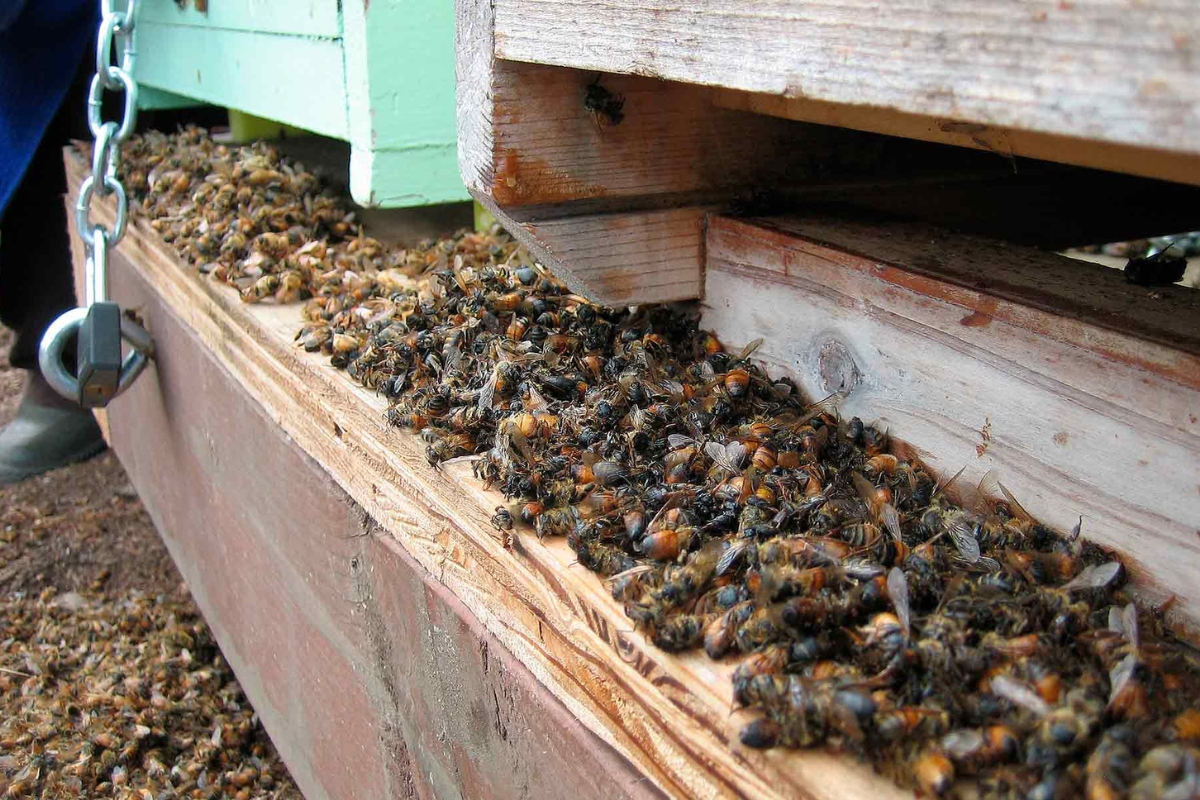


The Arrival of Varroa Destructor in 2022 Became a National Crisis, but the Country’s Reaction Changed Everything and Opened a New Phase for Beekeeping
Australia was the only continent without Varroa destructor, a parasitic mite linked to the disappearance of hives in various regions of the world.
This changed in 2022, when the microscopic invader was detected and, in a short time, local concern escalated into a national crisis.
The risk went beyond honey. The threat impacted pollination of crops and forced a change in direction, focusing on management and adaptation.
-
Survivor of 1966 SS Daniel J. Morrell Shipwreck in Lake Huron Recounts 38-Hour Ordeal in Extreme Cold

-
The Greatest Hoax in World Cup History? The Film That Denied Brazil’s 1958 Victory and Exposed How Fake Evidence Can Seem Convincing on TV
-
Fake South Korean Online Stores Offer Shopping Thrill Without Spending Money or Receiving Products
-
The War of Jenkins’ Ear: How a Severed Ear Sparked One of the 18th Century’s Most Unusual Conflicts


Why Varroa Destructor Became the Greatest Fear in Beekeeping
Hives face pressure from different causes, including intense pesticide use, habitat fragmentation, and climate change.
Nevertheless, Varroa destructor stands out for directly attacking bees and compromising entire colonies.
The spread of the parasite increased pollination costs, heightened reliance on chemical treatments, and intensified losses in various countries.

What Made Australia an Exception on the Planet
The country maintained strict barriers with biosecurity laws, support from its insular geography, and rapid quarantine responses.
Without the mite, beekeepers spent less, needed fewer chemical interventions, and faced fewer catastrophic losses.
This advantage also supported agricultural chains dependent on bees, such as almond, macadamia, and blueberry crops.
The Detection on June 22, 2022, and the Start of the Race Against Time
The first case appeared on June 22, 2022, during a routine inspection at the Port of Newcastle in New South Wales.
The reaction was immediate, with a 10 km eradication zone around the detection point, along with movement restrictions.
Beekeepers were advised to stop transporting hives, destroy infested colonies, and reinforce monitoring.
Why Containment Failed and the Infection Map Grew

The mite is small and can hide in brood cells, making detection difficult at the outset.
Colonies had already been moved between regions for pollination contracts, and some had been divided or sold before the alert scaled up.
With warmer weather and longer bloom periods, hives remained active for almost the entire year, creating more opportunities for Varroa destructor to multiply.
What the Mite Does Inside the Hive and Why the Damage Is Rapid
Varroa destructor feeds on the fatty body and blood of adult bees and larvae, weakening immunity.
This paves the way for viral infections, notably the deformed wing virus, which can inhibit flight and disrupt the work of the workers.
When bees fall ill, the colony loses its ability to forage for food, defend the hive, and care for brood, accelerating decline.
The Costliest Phase of Combat and the Impact on the Economy and Pollination
By mid-2023, the operation became one of the most expensive pest control actions in Australian agricultural history, costing 101 to 130 million Australian dollars.
By July 2023, around 30,000 hives had been sacrificed, with entire apiaries eliminated in a single day.
The honey industry, valued at over $150 million per year, stalled, while the pollination of crops such as almonds, blueberries, and apples became the primary concern.
The Turning Point in September and the Beginning of Coexistence with the Problem

On September 23, it became clear that Varroa destructor had already spread beyond the control of containment lines.
In September, the government of New South Wales officially abandoned eradication efforts and adopted a management approach.
The focus shifted to integrated pest management, IPM, emphasizing monitoring, detection, and treatments under stricter guidelines.
What Changed Afterwards and Why Some Outcomes Surprised
With the parasite present for months, beekeepers noted colonies exhibiting more cleanliness and removal of infested brood before the mite could reproduce.
These behaviors connect to traits known as Varroa Sensitive Hygiene, VSH, and cleaning actions among bees.
Another element came onto the radar, native bees. Australia has over 1,700 species that do not produce commercial honey but assist in pollination and are not affected by Varroa destructor.
From Mid-2024 to Mid-2025, the Adaptation Phase Takes Shape
By mid-2024, a year after the shift to management, the mite was established, but the worst-case scenario did not materialize.
Reports of control over infestation levels emerged through monitoring and treatments, and pollination resumed with adjustments, including the 2024 almond crop with lower yet more coordinated supply.
By mid-2025, the response entered a phase described as building resilience, with states like Victoria and Queensland launching real-time tracking apps to record infestation, treatment cycles, and hive health.

The detection of Varroa destructor on June 22, 2022 ended Australia’s unique condition and prompted a profound change in beekeeping.
Despite losses and high costs, the country began to prioritize management, adaptation, and control protocols to sustain pollination and reduce the risk of hive collapse.





El mundo padece del ácaro de varroa.
Argentina lo tiene. Ya hace más de 35/40 años que lidiamos contra la varroasis
Con curas con tablitas insecticidas o con el cambio de cuadros con celdas agrandados para el desarrollo de zánganos y su posterior retiro.
Hay bibliografia italiana de antigua data.
Hay que tener cuidado con los residuos en miel.
Pero nada cumple su cometido, si quien detenta el poder de policía no controla los apiarios vecino y lo determina por cuadrícula o zonas.
La ivernacion deberá hacerse con 2 tiras X colmena y en agosto de nuestro calendario, reponerlas de manera que la defensa sea importante.
La varroasis también es una puerta de ingreso para otras enfermedades como loque europea, nosemosis y lo peor loque americana, dado que encuentra debilitado la colmena.
Para tal fin no deben guardarse colmenas débiles para el invierno, pues difícilmente las encontraremos vivas en primavera.
+ perito apicultor.
+capacitador de cursos de apicultura de la Dirección de Agricultura del Ministerio de Recursos Naturales , Pcia de Río Negro. Argentina.1983/1993.
+integrante del equipo ,que redactó la reglamentación de la ley de Apicultura de la Pcia de Río Negro.