






 Portuguese
  Spanish


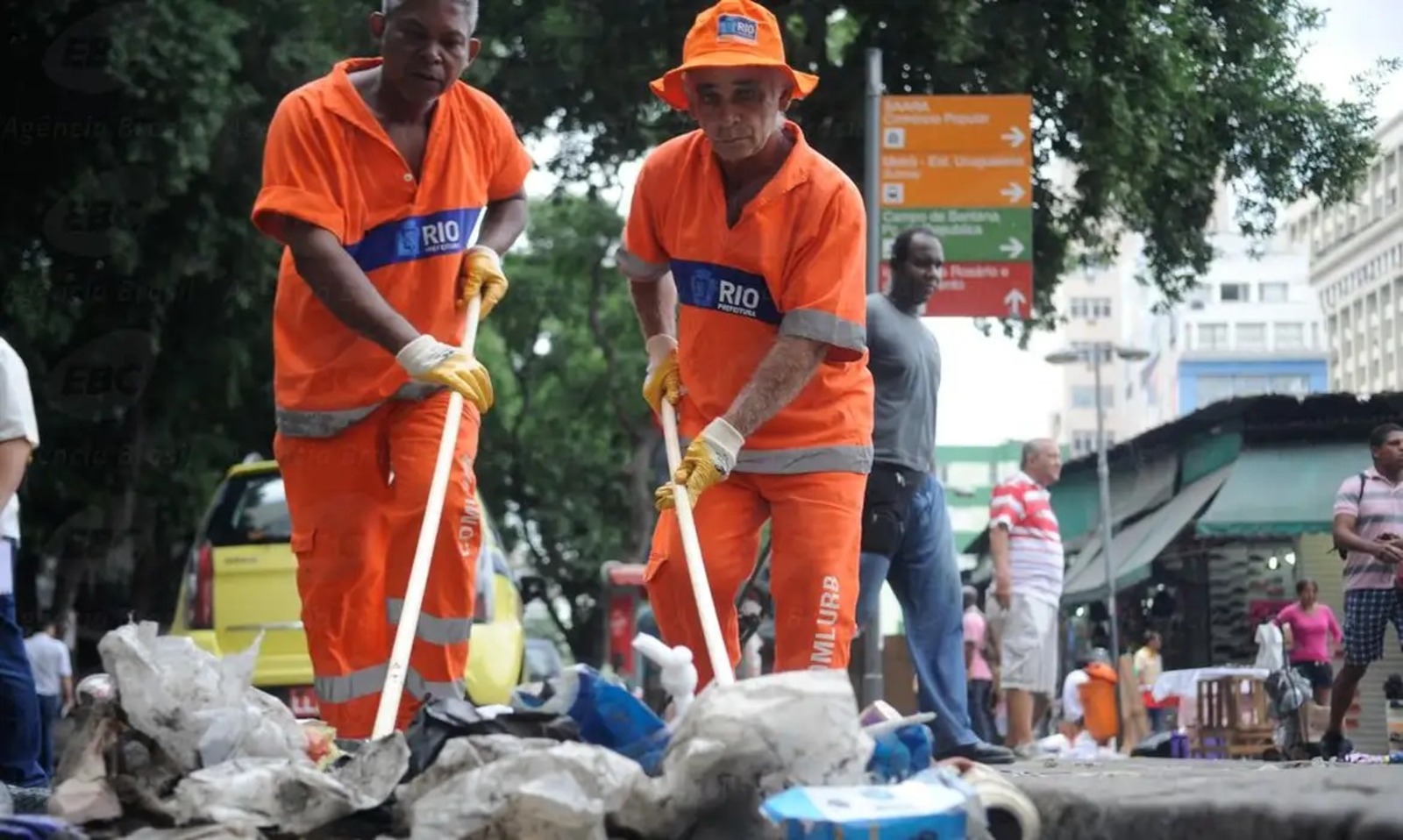


Teachers, Nurses, and Ordinary Workers Pay Up to 25% of Their Income in Taxes, While Billionaires Live Off Profits Nearly Untouched by Taxation
It’s a shocking fact, but it expresses reality: in Brazil, those who depend on salaries pay proportionally more tax than those who live off million-dollar profits.
A public school teacher in Rio de Janeiro, for instance, earning R$ 4,000 a month, may hand over up to a quarter of her income in direct and indirect taxes.
Meanwhile, a billionaire, supported solely by dividends, pays on average only between 5% and 6% in effective taxes.
-
Brazil’s 2026 Tax Refund: Record 9.58 Million Filers in Largest Payout Ever, But a Key Detail on Priority Recipients Draws Nationwide Attention

-
Itaú Alters Hybrid Work Model, Increasing Office Days from 2028, Prompting Employees to Adjust to New Routine
-
Facing Labor Shortage, Japan Plans to Invest $34 Million to Attract Foreign Workers in Construction, Healthcare, Industry, and Commerce

-
Brazilian City Makes Remarkable Leap, Becomes 4th Wealthiest in the Country with GDP of R$ 134.1 Billion




The Burden on Those Who Live Off Work
Studies by Oxfam Brazil reinforce the seriousness of the situation. Almost 30% of the income of a school food worker returns to the State in the form of taxes.
These professionals face long hours, precarious transportation, and low salaries, yet sustain public revenue.
Meanwhile, the owners of large fortunes remain protected. This difference shows why the tax burden becomes so unfair and concentrated.
The Contrast With Great Fortunes
Workers living on salaries can allocate a high portion of their income to taxes—especially consumption taxes—while capital incomes pay little or nothing.
High incomes structured as dividends are taxed much less than equivalent salaries.
This happens because since 1996 profits and dividends have been exempt from taxation.
This policy has turned Brazil into a global exception and created a mechanism that shields fortunes, inheritances, and business structures.
Thus, the system provides relief to the wealthiest while penalizing those who depend solely on work.
A Congress Resistant to Change
The problem does not lie with ordinary professionals, but with a Congress that refuses to alter historical privileges.
This model is not neutral. It was designed to concentrate economic power and protect those who already live off high incomes.
Furthermore, the maintenance of exemptions limits the State’s ability to finance essential services. Those who foot the bill are the salaried workers, who already struggle to survive.
The Need for Tax Justice
Public resources are essential to guarantee education, health, housing, and food on the table. Therefore, advocating for tax justice means reversing the logic: low salaries should have a lower tax burden, while millionaires need to contribute fairly.
This is not about revenge. It’s about social balance. Today, there are families that have secured their future for generations by paying less tax than those who work six days a week to earn a minimum wage.
Time to Turn the Tables
Profit without tax is privilege. Hunger with tax is cruelty. Brazil cannot continue to shove the bill onto the working class.
The Popular Plebiscite for a Fairer Brazil arises precisely in this context. It’s an opportunity for the population to demand: tax the super-rich and relieve those who live on salaries.
With information from Brasil de Fato.









Ora, mas isso não é novidade, aquele discurso **** do manda-chuva do país, nunca me convenceu de ele é pelos pobres.
Em nenhum momento está se falando em aliviar pro pobre, percebeu a pegadinha?
Muito bom. Porém esqueceram de falar que tributar Lucros e Dividendos seria uma bi tributação já que as empresas já tem uma alta carga tributária a ser cumprida.
Quem administra uma empresa no Brasil consegue facilmente administrar uma empresa em qualquer lugar do mundo já que o Brasil tem a maior carga tributária sob empresas.
E também sabemos que no final se houver maior carga tributária isso vai acabar virando desperdícios ou simplesmente pó nas mãos de maus políticos administradores
Concordo muito. Isso é apenas uma meia verdade.
Concordo, no entanto a maior parte dessa carga é repassada para o consumidor. Sou totalmente contra esses absurdos tributários, eles só fazem mal a todos em geral.