






 Portuguese
  Spanish


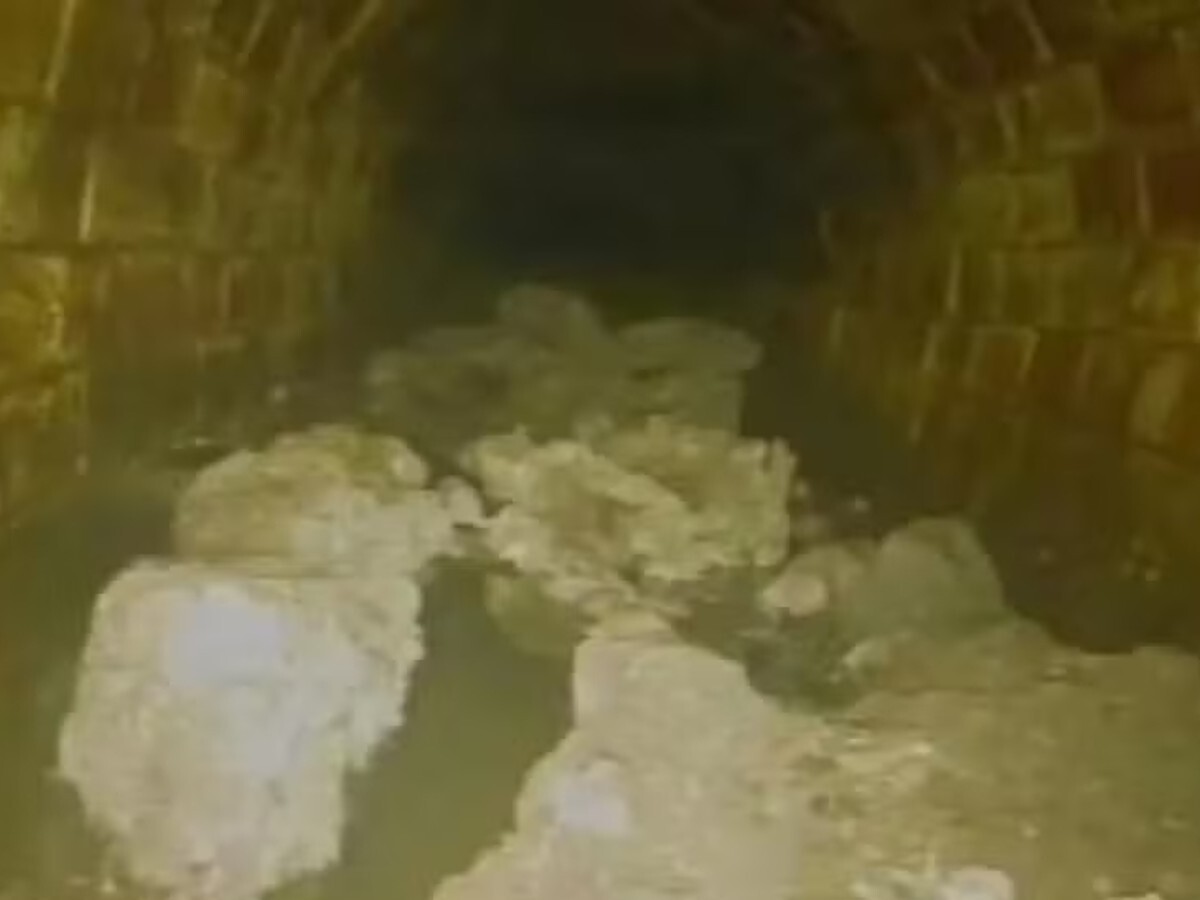
Subterranean Mass Formed by Fat and Waste Draws Attention in London After Being Found Under Whitechapel, Reviving the Debate on Domestic Waste Disposal and Impacts on the Sewage Network of the British Capital.
A solidified mass of fat, oil, and other waste has been identified in a sewer tunnel under the Whitechapel neighborhood in East London, according to information released by the authorities responsible for the local system.
Responsible for managing the water and sewage network of the British capital, Thames Water reported that the blockage weighs around 100 tons and is approximately 100 meters long, occupying a significant area of the underground piping.
In an official statement, the company stated that the episode serves as a “reminder that what goes down the drain does not disappear”, highlighting the effects of improper waste disposal.
-
Family Turns Homemade Cheese Bread Recipe into a $17 Million Frozen Foods Business with 200 Tons Monthly Production and Over 1,400 Clients

-
Ancient 4,000-Year-Old City in Brazil Grew Wealthier and Reduced Inequality, Study Finds

-
Lost Page from Archimedes Palimpsest Resurfaces in French Museum After Decades, May Reveal Hidden Mathematical Calculations with X-ray and Multispectral Imaging
-
Brazilian Education Ministry Announces Tech Benefits for Teachers, Providing Smartphones, Notebooks, and Tablets to Enhance Digital Learning and Professional Development



Although the term “fatberg” is used solely as a visual description, the phenomenon poses a concrete risk to the functioning of the sewage system, according to the assessment by the utility.
According to Thames Water, the improper disposal of fat and oil contributes to the formation of large solid blocks that gradually develop inside the pipes.
As they aggregate with other waste, these blocks reduce the flow capacity and increase the risk of clogs and overflows.
What Is a Fatberg and How Does It Form in Sewers
The material found in Whitechapel is classified as a “fatberg”, a term created in the United Kingdom from the combination of the English words “fat” and “iceberg.”
This designation is used to identify large accumulations of fat, oil, and grease that solidify within the sewage networks.

Over time, these masses grow in size by retaining other waste that flows through the pipes.
According to sanitation specialists cited by the water company itself, the process often originates in domestic and commercial kitchens.
Even when disposed of in liquid form, fats can harden upon cooling, especially when they come into contact with the cold walls of pipes.
As it solidifies, the material begins to adhere to the piping, creating a base for the attachment of new waste.
Among the items that frequently accumulate are wipes and food scraps, identified as aggravating factors for the problem.
Thames Water reported that the newly discovered fatberg is primarily composed of solidified fat, oil, and grease, as well as materials that should not be disposed of in the sewage network.
In structures of this size, removal requires technical planning, as the work takes place in underground tunnels and requires specialized equipment and teams.
Removal of the Blockage Requires Weeks of Work
According to the company, the removal of the blockage will take weeks due to the size and weight of the accumulated material.
The procedure involves gradually breaking down the fatberg and carefully removing the waste, a measure taken to preserve the integrity of the infrastructure.
In addition to the operational complexity, Thames Water highlighted that occurrences of this nature directly impact maintenance costs of the network.
According to data released by the utility, expenses related to clog removal increase at certain times of the year and affect the system’s budget.
In a span of two months, costs related to this type of service reached £2.1 million in the area served by the company.


In addition to the financial impact, blockages of this magnitude increase the risk of sewage backup in properties and overflows in public streets.
These problems tend to occur when the normal flow of the system is interrupted by extensive obstructions.
Research Points to Domestic Habits Linked to the Problem
A survey commissioned by Thames Water identified common household practices associated with the accumulation of fat in the pipes.
Among those surveyed, over 40% stated they had already disposed of meat juices directly down the sink.
Another 39% reported dumping gravy sauces, while 28% mentioned discarding creams.
Additionally, 21% said they had thrown milk-based desserts down the drain.
According to the company, substances with high fat content can solidify along the way in the pipes, especially when they come into contact with other waste.
According to the company’s technicians, this combination favors the formation of large blockages within the network.
Basing on this data, Thames Water reinforced preventive guidelines directed at the public.
Among the recommendations are removing food scraps from plates before washing and using drain protectors in sinks.
The company also advises against disposing of greasy liquids, even when they seem diluted.
In these cases, the recommendation is to let oils and fats cool before disposing of them in household trash or designated collection points, when available.
Whitechapel Previously Experienced a Larger Fatberg in 2017
The recent incident is not isolated in the Whitechapel area.
In 2017, workers discovered an even larger fatberg in the same neighborhood, according to records released at the time.
The structure weighed around 130 tons and was over 250 meters long, making it one of the largest ever found in the city.

The removal of that blockage took several weeks and required an operation similar to the current one.
Part of the material removed was preserved and displayed to the public at the then Museum of London.
Since 2024, the institution has adopted the name London Museum.
The exhibition aimed to demonstrate how everyday habits can have significant impacts on urban underground infrastructure.
Effects of Fatbergs on the Sewage Network and the City
Sanitation experts explain that the functioning of the sewage network depends on a continuous flow to avoid overloading the pipes.
When fat and waste solidify and form barriers, the passage of water is compromised, generating excessive pressure in some areas.
In densely populated urban areas like London, this effect tends to be amplified by the high daily volume of disposals.
The presence of non-biodegradable materials also contributes to making the blockages more rigid and difficult to remove.
To deal with these situations, teams need to access underground tunnels, pinpoint the exact location of the obstruction, and remove the material in a controlled manner.
Thames Water states that it employs manual tools and high-pressure equipment, respecting the limits of the older infrastructure in the city.
In recent statements, the utility reiterated that items disposed of in the sink or toilet do not disappear upon entering the system.
According to the company, episodes like this highlight how domestic practices have direct effects on the functioning of the urban sewage network.




-

-

-

-

8 people reacted to this.