






 Portuguese
  Spanish
  2 min of reading
  9 comments


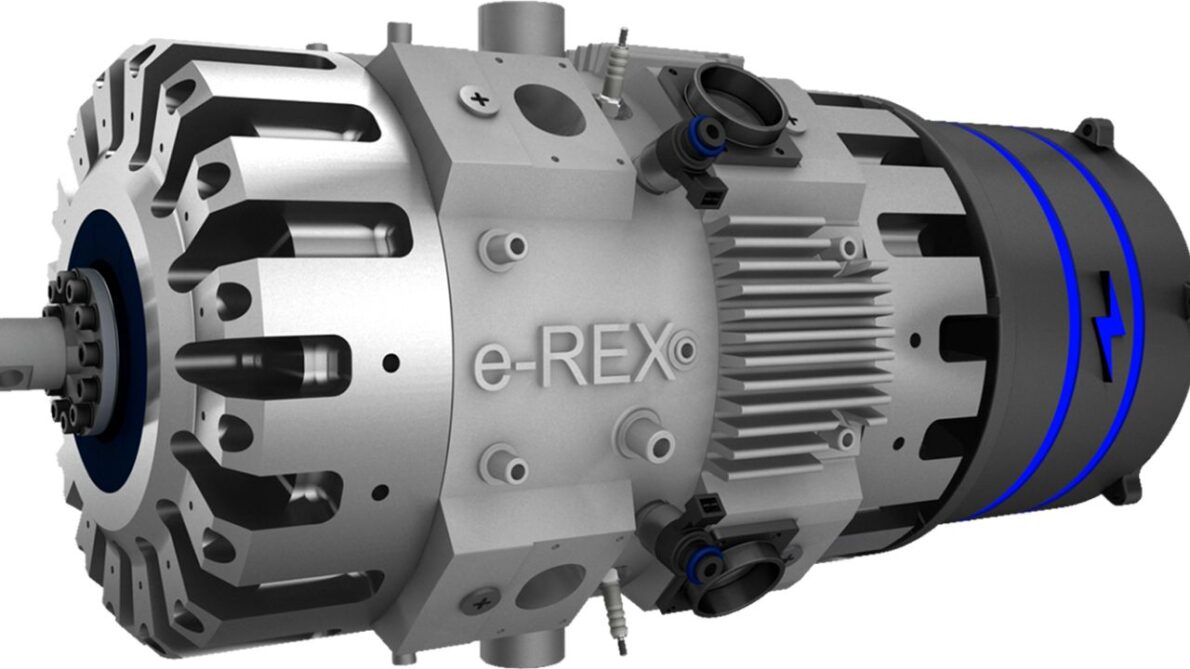

The 1-Cycle Engine Promises 200% Greater Efficiency by Combining All Operation Stages in a Single Piston Movement, Outperforming Two-Stroke Engines in Performance and Sustainability.
A new technology is drawing attention in the world of engines: the 1-cycle engine. Its creators claim that it is 200% more efficient than traditional engines. But is this innovation real? Let’s find out what a 1-cycle engine is and how it works.
The 1-cycle engine combines the four stages of conventional engines into a single piston movement. This new approach promises to revolutionize the efficiency of internal combustion engines.
200% More Efficient? Discover the Biggest Secret of the 1-Cycle Engine!

The 1-cycle engine is an innovation in the field of internal combustion engines. Unlike four-stroke engines and two-stroke engines, the single-cycle engine performs the stages of intake, compression, power, and exhaust in a single piston movement.
-
Toyota Sienna becomes a “VIP lounge on wheels” in Brazil after receiving a Chinese luxury kit, seats with massage, Starlink, refrigerator, and a 245 hp hybrid engine, targeting high-income families, artists, and executive transport in an almost million-dollar van.

-
Two new 300cc models from QJ Motor are expected to arrive in Brazil as SBM to target the CB 300F and shake up the low-displacement market, with more power and liquid cooling than Honda.

-
Camaro may reappear in 2027, but not as you remember: Chevrolet prepares the return of the icon with four doors, manual transmission, and an extreme performance version to face the new era of sports cars.

-
Is the BYD Song Pro worth it? The Anderson Sincero channel says it doesn’t exceed R$ 140,000, and the price dropped by R$ 47,000, reinforcing the depreciation of the plug-in hybrid in the Fipe table.


The Spanish company INNengine, founded in 2011, is a pioneer in the development of this technology. With a small but dedicated team, they created the E-REX engine and the REX B. These engines use opposing pistons that move in balance, eliminating vibrations and providing smoother operation.
E-REX Engine Impressed Experts with Its Quiet and Efficient Operation
During tests at the University of Valencia, the E-REX engine impressed experts with its quiet and efficient operation. The combination of high power and low vibration makes this engine ideal for various applications, including vehicles and industrial machinery.
Compared to two-stroke engines, the 1-cycle engine offers several advantages. While two-stroke engines are known for their high emissions and need for oil and gasoline mixtures, the single-cycle engine is cleaner and more efficient. It maintains the power of two-stroke engines but without the pollution and noise problems.
1-Cycle Engine Needs a Complex Cooling and Lubrication System
However, this technology is not without challenges. The 1-cycle engine requires a complex cooling and lubrication system to handle the concentrated heat in the center of the engine. Additionally, it may have lower torque at low RPMs, which could limit its application in certain situations.
INNengine believes that the 1-cycle engine could be an intermediate solution while the transition to electric vehicles continues. They plan to use this technology as a range extender for electric vehicles, combining fuel efficiency with the sustainability of electric motors.
Thus, the 1-cycle engine represents a promising innovation in the field of internal combustion engines. With its advantages in efficiency and smooth operation, it has the potential to change the way we think about combustion engines. Stay tuned for this technology, which may soon be coming to a vehicle near you.






Tecnologia de motores a combustão avançou só depois dos elétricos lhe colocar a corda no pescoço…
Não vai adiantar nada ser mais eficiente e econômico. Aí o que vão fazer é aumentar ainda mais o valor do litro do combustível.
Discordo se o motor for eficiente vai ter menos consumo de combustível se não ouvir manipulação da OPEP a tendência é baratear o preço do combustível
Muita pecinha vai dar xamu.