Portuguese
  Spanish


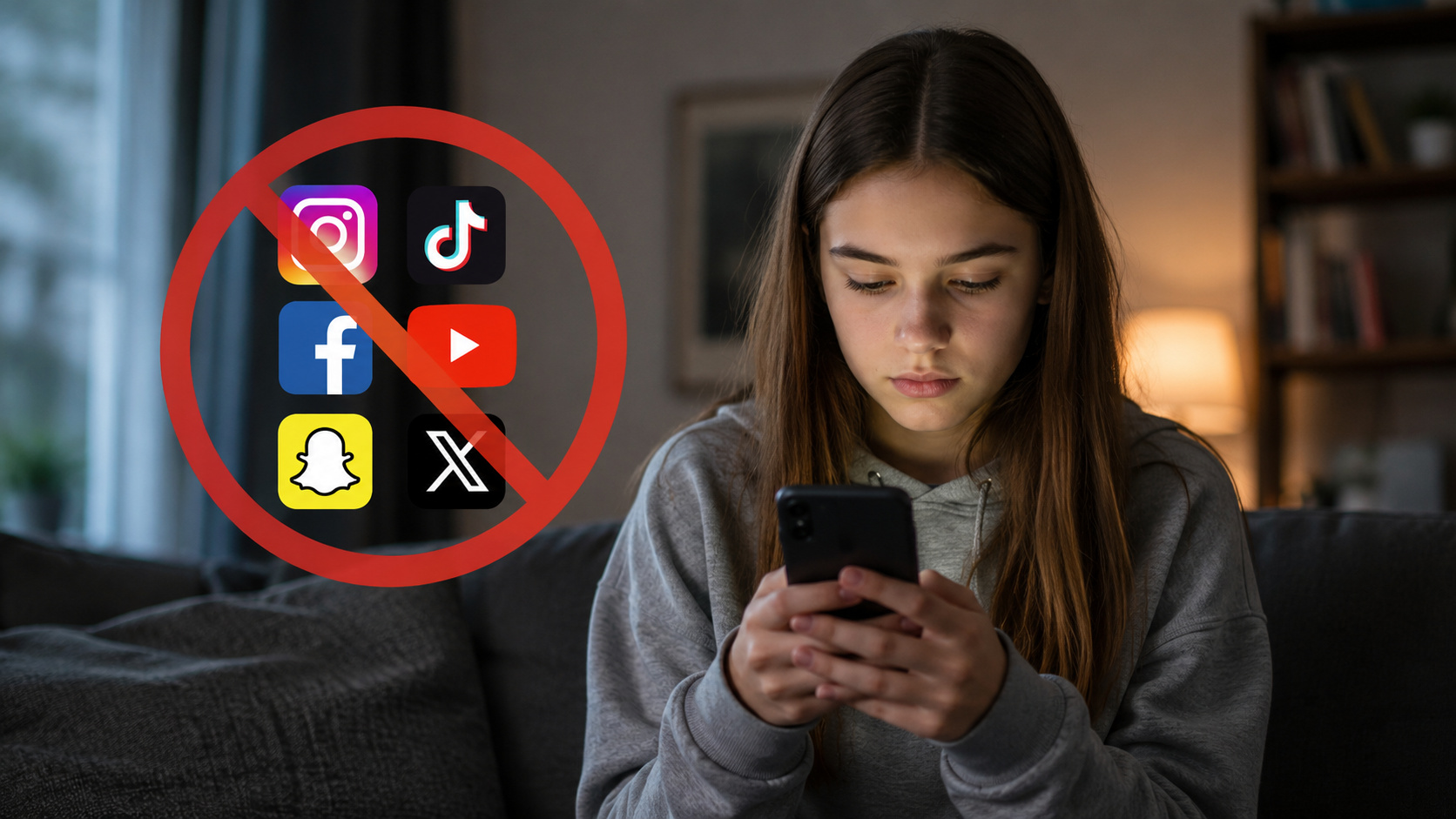

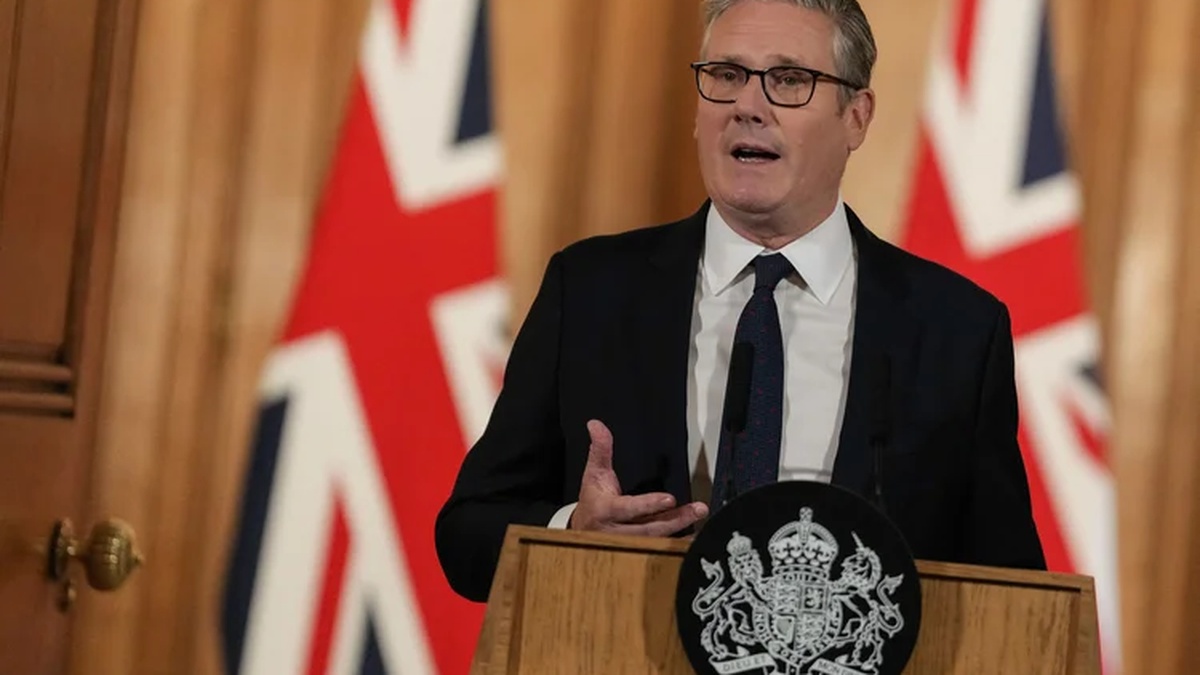
The UK government announced one of the world’s strictest measures regarding the use of social media by children and teenagers. Prime Minister Keir Starmer confirmed that under-16s will not be able to access platforms like Instagram, TikTok, Facebook, Snapchat, YouTube, and X (formerly Twitter), if the proposal is implemented according to the schedule planned by the British government.
Additionally, the initiative is part of a broader digital protection package aimed at young people. According to the government, the measure seeks to reduce the exposure of children and teenagers to content considered harmful, as well as to combat excessive screen use.
New rule to come into effect in 2027
According to information released by the British government and reported by NHK, Deutsche Welle, and other international outlets, the ban is expected to come into effect in 2027, after legislative processing and the definition of enforcement mechanisms.
Furthermore, platforms will be responsible for implementing age verification systems. If they fail to comply with the rules, they may face sanctions provided by British law.
-
China Constructs 5.1 km Undersea Highway in Dalian Bay, Reducing Travel Time from 1 Hour to 5 Minutes

-
Massive Transporters Otto and Lore Move ALMA Radio Telescope in Chile’s Atacama Desert
-
Singapore Turns Incinerated Waste Ash into Construction “Sand” in Ambitious Project to Revolutionize Megacity Waste Management
-
Brazilian Entrepreneur Turns Passion for Amazonian Cocoa into a Million-Real Chocolate Business After Studying in France



On the other hand, private messaging apps like WhatsApp and Signal are not expected to be affected by the new regulation.
Government cites protection of mental health
According to Keir Starmer, major tech companies have failed to adequately protect children and teenagers from risks present in the digital environment. Therefore, the government decided to adopt stricter measures to limit young people’s access to social media.
Moreover, British authorities are increasingly concerned about cases of virtual bullying, exposure to inappropriate content, and negative impacts on teenagers’ mental health.
In this context, the government argues that the new policy aims to create a safer digital environment for future generations.
Public consultation showed broad support
Before announcing the measure, the United Kingdom conducted a public consultation that gathered more than 116,000 participants, including parents, young people, researchers, and representatives of the technology industry.
Furthermore, the results showed strong popular support for the proposal. Data released by the government indicates that about 90% of the parents consulted supported the creation of a minimum age of 16 for access to social networks.
Therefore, the initiative has gained political momentum in recent months and advanced within the British government’s agenda.
Technology companies criticize the proposal
Despite the support from part of the population, the measure also faces resistance.
Companies like Meta, YouTube, and Snapchat argue that a broad ban could lead teenagers to seek out less secure and less moderated platforms. According to these companies, regulated digital environments offer protection mechanisms that may disappear if young people migrate to alternative services.
Moreover, technology and privacy experts question the challenges related to age verification and the practical application of the new rules.
United Kingdom follows international trend
The British proposal does not arise in isolation. In recent years, various countries have begun to discuss limits on minors’ access to social networks.
Australia was one of the first nations to adopt similar restrictions, serving as a reference for part of the international debate. Additionally, countries in Europe and North America are analyzing measures aimed at the digital protection of children and adolescents.
In this scenario, the United Kingdom could become one of the countries with the most stringent legislation on the use of social networks by minors.


Debate on digital security continues
The proposal must still go through legislative stages before final implementation. However, the announcement has already reignited the global debate on the impacts of social media on childhood and adolescence.
Furthermore, the discussion involves topics such as digital freedom, platform responsibility, mental health, and data protection. Therefore, experts, governments, and companies are closely monitoring the next steps of the British initiative.
As the project progresses, the United Kingdom positions itself at the center of a discussion that could influence digital policies in various countries in the coming years.