






 Portuguese
  Spanish
  3 min of reading
  1 comment


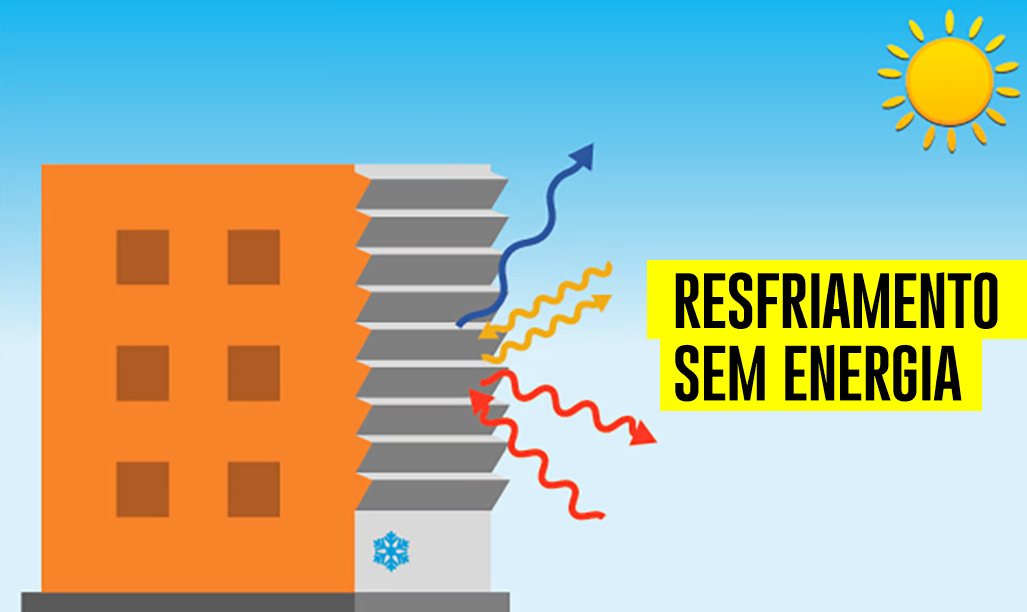


Researchers Developed An Innovative Design That Reduces Wall Temperature By Up To 3 °C, Providing A Sustainable And Efficient Solution Without Energy Consumption.
Zigzag patterns may be the solution for buildings with high temperatures. This is the proposal of a study led by Qilong Cheng, from Columbia University, which revealed an innovative design to reduce wall temperature by up to 3 °C, without energy consumption.
The researchers’ idea promises to be an important advancement in addressing the increasing cooling demands of homes, which already consume a significant portion of energy.
Buildings And The Impact On Energy Consumption
Today, buildings account for 40% of global energy consumption, as well as being responsible for more than one-third of global carbon dioxide emissions.
-
Florida begins sending robotic rabbits to the Everglades swamps, where they mimic prey, use cameras, AI, and sensors to attract and locate invasive pythons hidden in the mud and vegetation.

-
Engineers in Brazil deploy a robot dog to enter pipelines of a R$ 134.7 million project, facing mud, sand, humidity, and toxic gases, and send data in real-time without exposing workers.
-
Brazilian family creates machine that transforms seawater into fresh water, produces up to 130 liters per hour, facilitates routine on vessels, and boosts family business along the country’s coast.
-
A doctor from Minas Gerais warns that sleeping with the fan pointed at the body all night is not as harmless as you think; it dries out the respiratory tract, causes mucus buildup, spreads dust mites, and can even irritate the cornea of the eyes.





A significant portion of this energy is allocated to air conditioning, a resource whose demand could double by 2050, according to estimates.
As the planet warms, passive cooling solutions – that do not consume energy – have gained significant attention. It is in this context that Cheng’s research proposes a practical and sustainable alternative to reduce energy consumption in cities.
How Does The Zigzag Design Work?
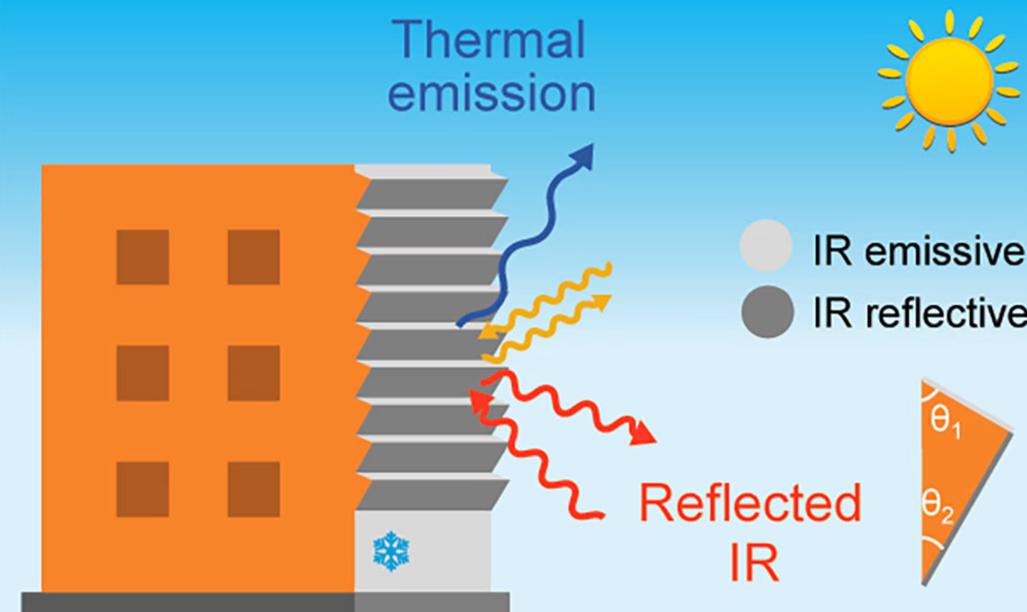
The project consists of structural walls with protrusions that form a zigzag pattern, creating a configuration capable of redirecting solar energy away from buildings.
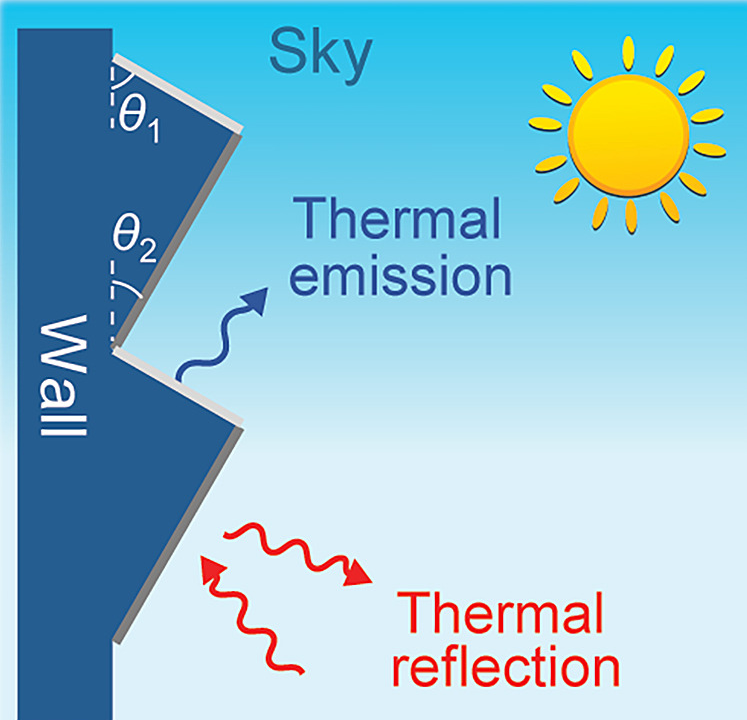
This design reduces the temperature of external surfaces through radiative cooling, a process that reflects sunlight and emits infrared radiation into space.
Cheng explains that the design acts as a natural filter: “With this type of design, we can have a cooler building. So we can reduce energy consumption for cooling.”
This approach is particularly effective in areas where walls absorb not only solar heat but also radiation from the ground – a limitation faced by conventional strategies, such as white-painted roofs.
The Potential And The Challenges
Despite being promising, the solution presents challenges. Radiative cooling, which is already explored in roofs and horizontal surfaces, still faces limitations in cold climates. During winter, walls designed to reflect heat may exacerbate the need for heating.
To overcome this problem, Cheng’s team developed an adaptable version of the design.
It includes adjustable “fins” that can be tuned according to the season: in summer, they help reflect heat; in winter, they increase thermal absorption.
A Step Into The Future
The research was published in the journal Nexus and highlights the importance of innovation in urban buildings to combat the effects of climate change. Meanwhile, passive solutions like the zigzag design can be a relief not only for electricity bills but also for the environment.
The study reinforces that tackling the climate crisis requires creativity and adaptation. And sometimes, the future may be hidden in small details, like a simple geometric pattern.


Já vi isso na forma de placas de revestimento com uma pirâmide inclinada na face externa.