






 Portuguese
  Spanish
  2 min of reading
  0 comments


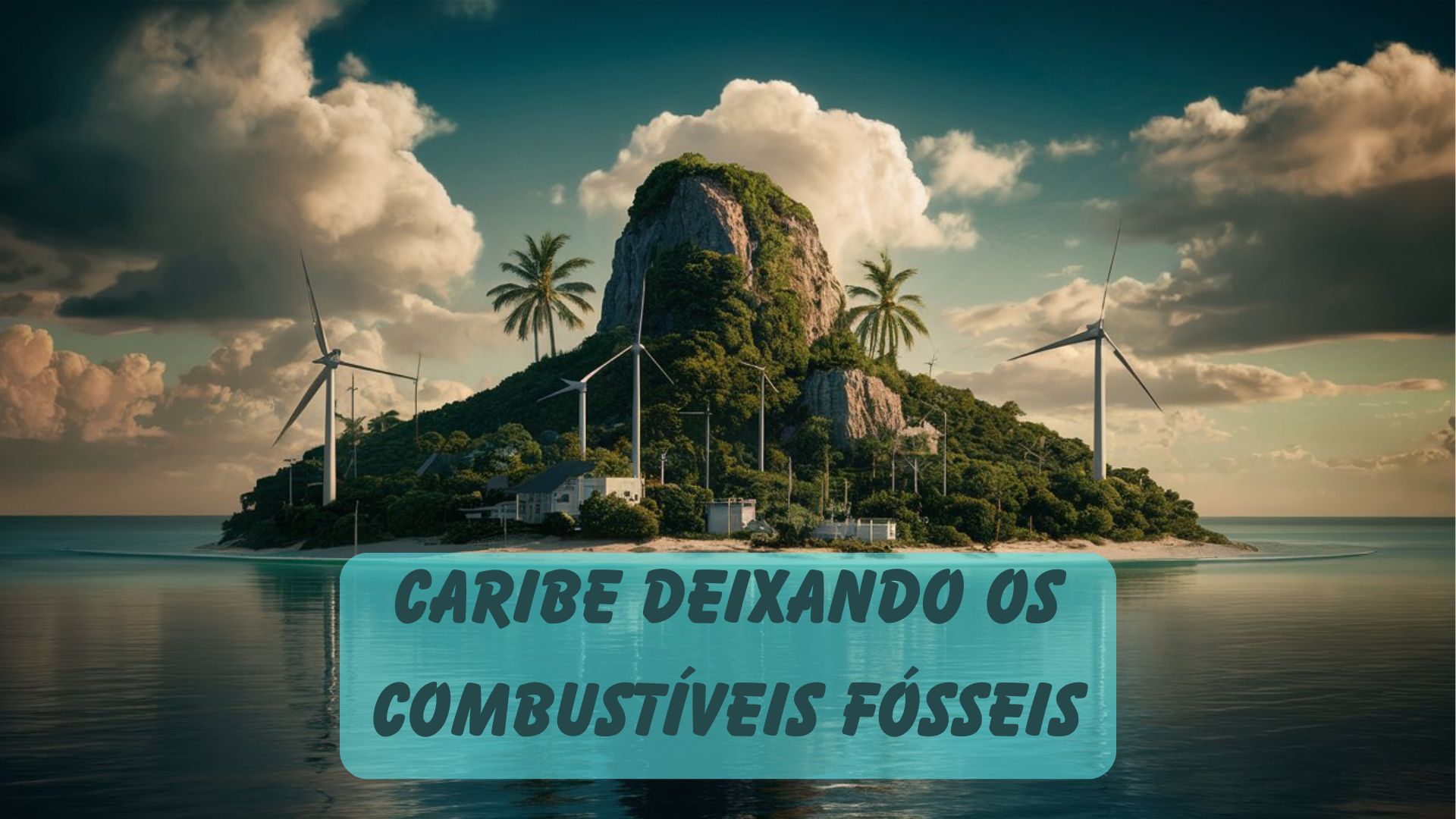
The Caribbean Is Facing Energy Challenges, Overcoming Barriers And Adopting Sustainable Solutions For A Cleaner Future.
Certainly, the Caribbean’s dependence on fossil fuels is an issue that goes beyond the environmental aspect, also being an economic and social problem. Therefore, with an energy matrix still in transition and various structural challenges, the region is at a decisive moment. However, significant advances in renewable energy show that, in fact, breaking this dependence is possible.
The Current Energy Scenario In The Caribbean
Currently, despite important advances, about two-thirds of the regional energy matrix still depends on fossil fuels. However, it is relevant to highlight that clean energy already accounts for more than 60% of electricity generation in some countries, thus surpassing the global average. Consequently, investing in this transition can undoubtedly generate savings of up to US$ 621 billion per year by 2050.
Why The Caribbean Needs To Break With Fossil Fuels?
Undoubtedly, reducing climate vulnerability is essential, as extreme events become increasingly frequent. Furthermore, the high energy costs resulting from the importation of fuels weigh heavily on the economy. Therefore, investing in renewable energy not only mitigates these costs but also creates jobs and strengthens the local economy, demonstrating that this transition is an urgent necessity.
-
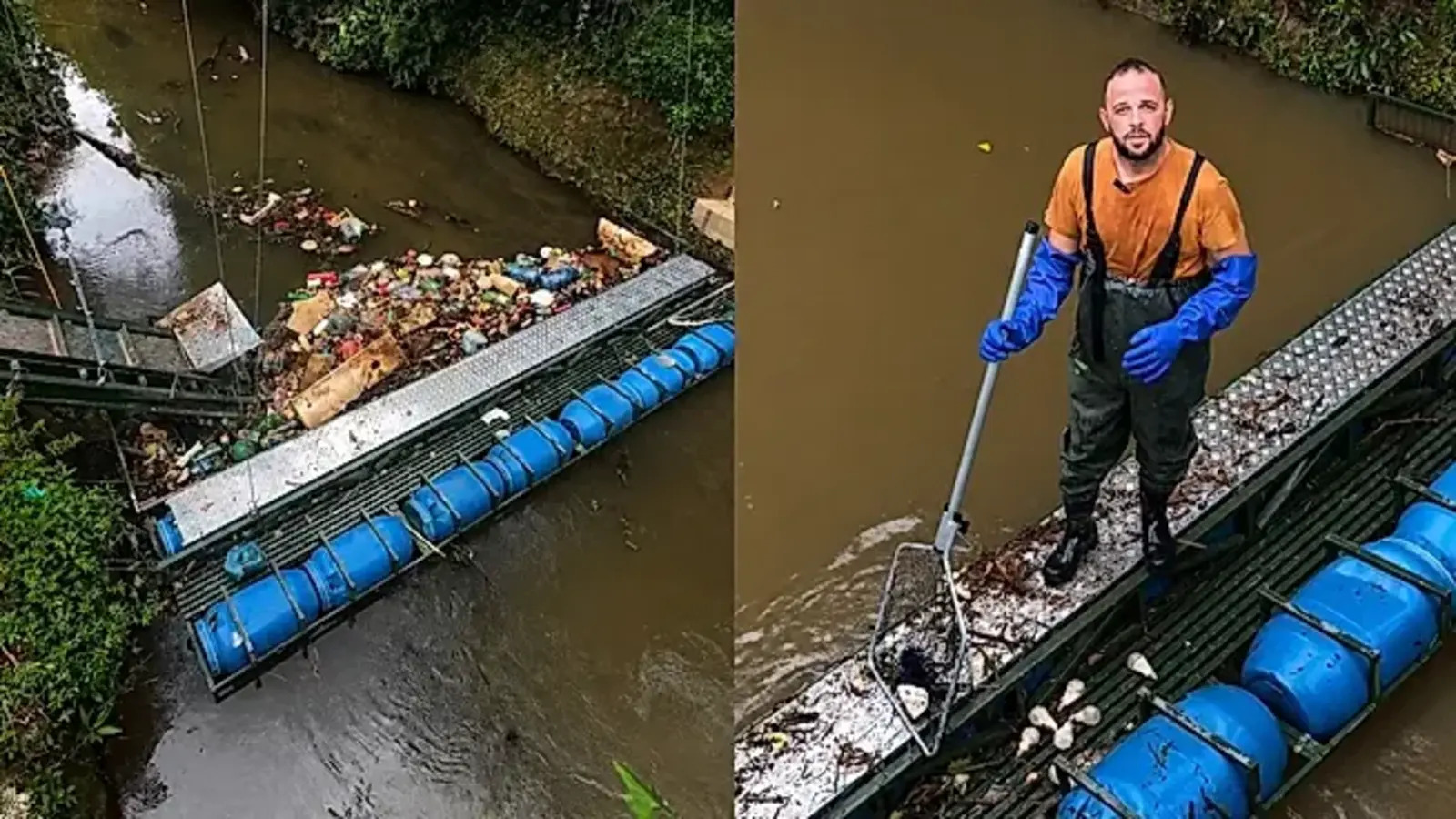
Brazilian promises his children to save a river, creates an eco-barrier in his backyard, has already removed more than 40 tons of trash from the water, and even inspires the idea in other states of the country.

-
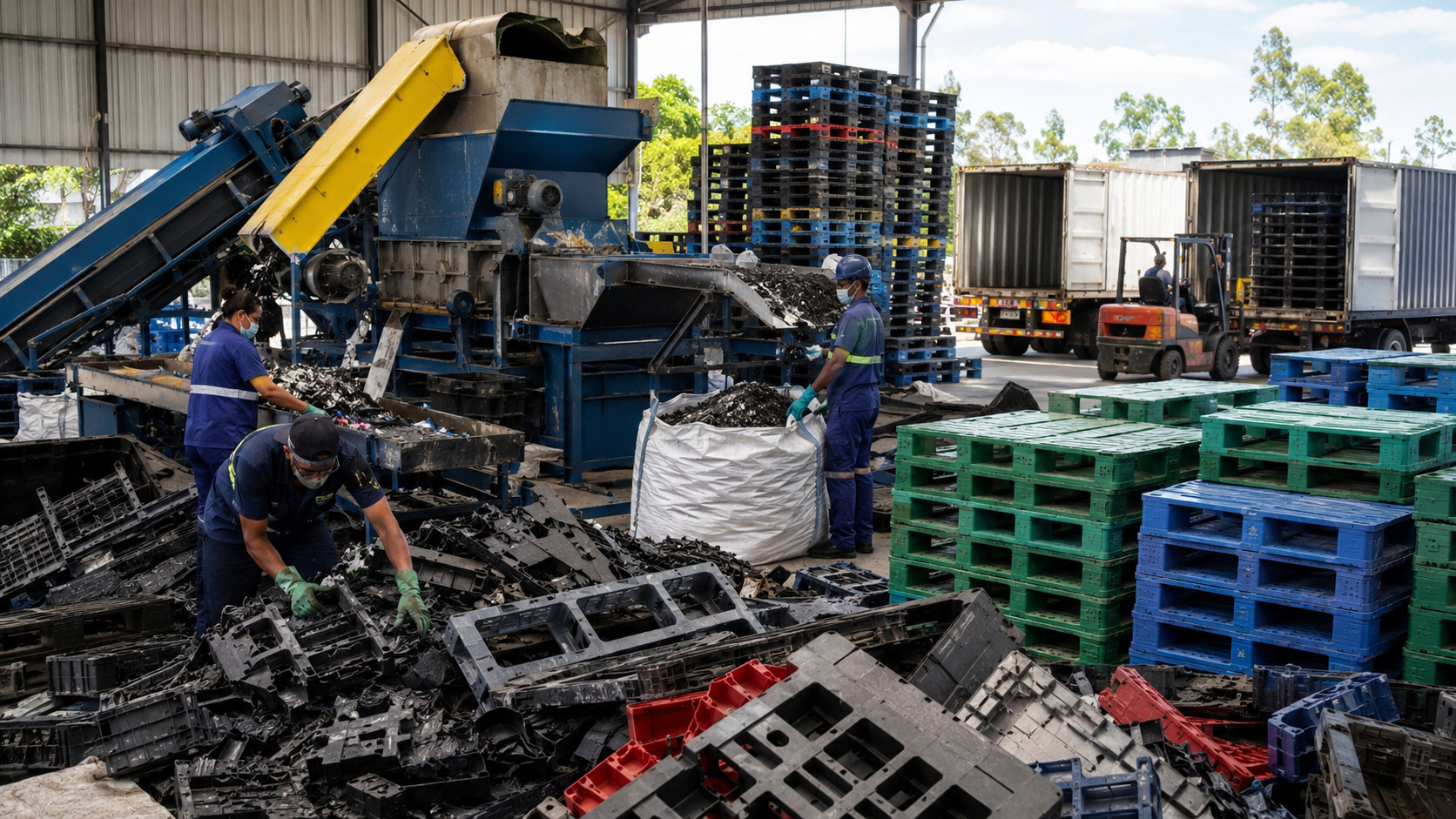
How a Brazilian company created a system that transforms broken pallets of any brand into new assets, recycles 80 tons of plastic per month, and found a profitable solution to a problem that challenges industries across the country.

-
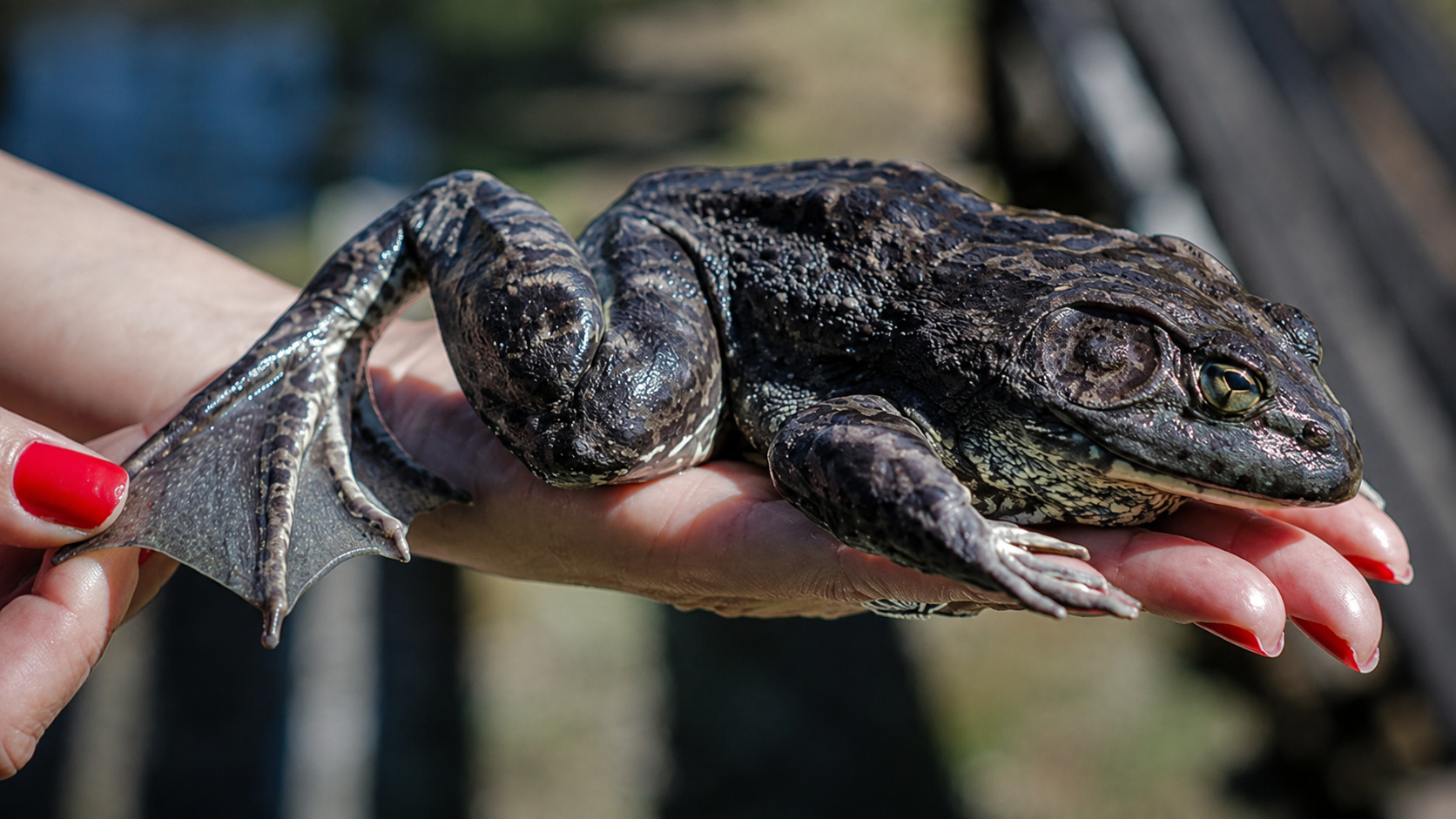
Invasive bullfrog capable of devouring other amphibians and laying up to 20,000 eggs is found in Florianópolis, raising an alert about the threat to native fauna.
-
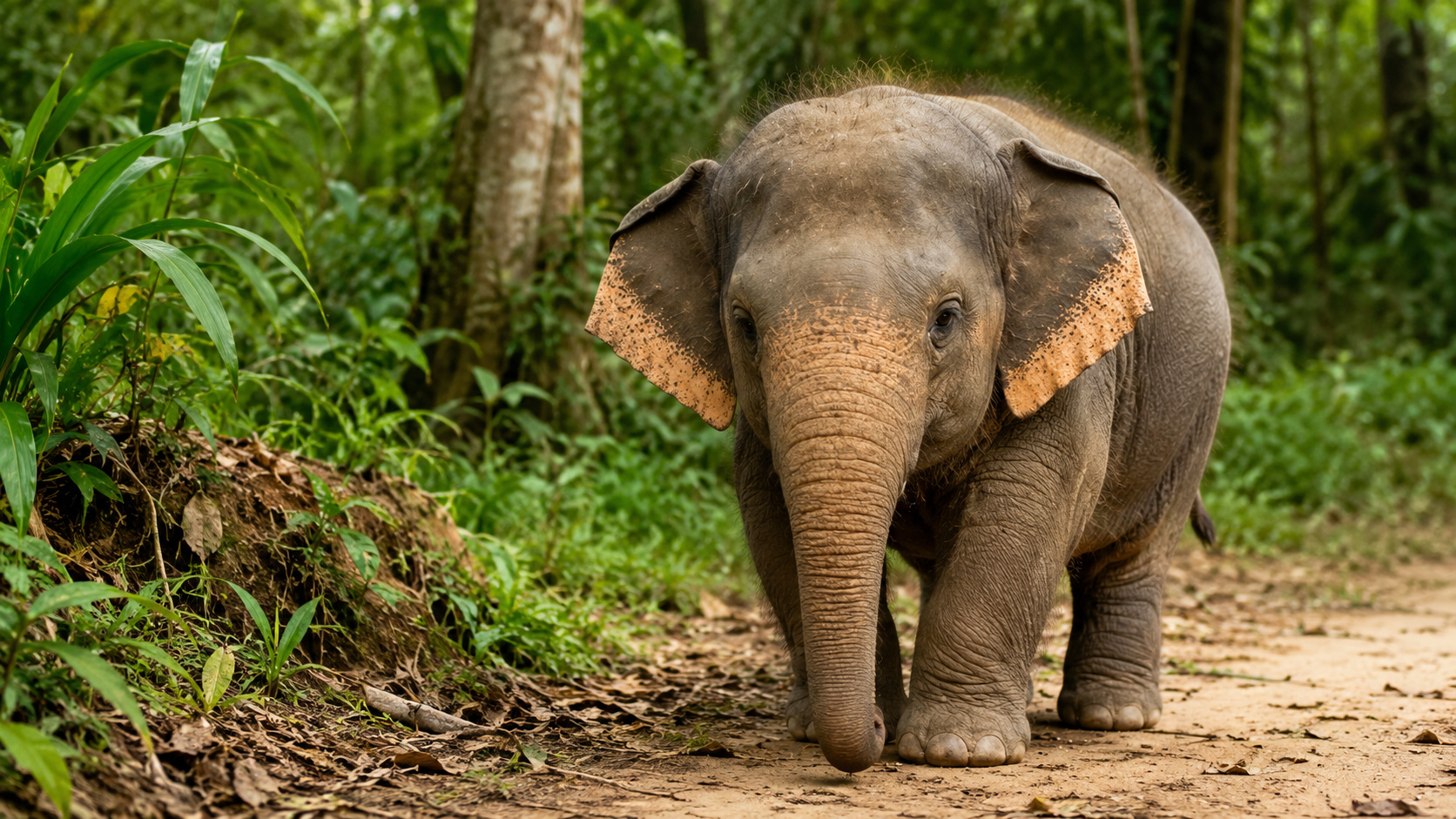
It looks like a baby, but it’s an adult: meet the Bornean pygmy elephant, the smallest elephant in the world threatened by habitat loss.
The Challenges Of Energy Transition
However, overcoming barriers such as limited infrastructure, lack of financing, and complex regulations is absolutely crucial. In contrast to the opportunities, these difficulties hinder the adoption of clean technologies and deter the necessary investments for the region’s progress. However, coordinated initiatives can reduce these barriers.
Advancements And Inspiring Examples
Fortunately, successful examples show the way forward. For example, Costa Rica and Paraguay obtain nearly all their energy from renewable sources, while Jamaica is rapidly expanding its solar and wind capacity. Thus, it is clear that, with joint effort, other nations can also effectively follow the same path.
Opportunities To Accelerate The Energy Transition
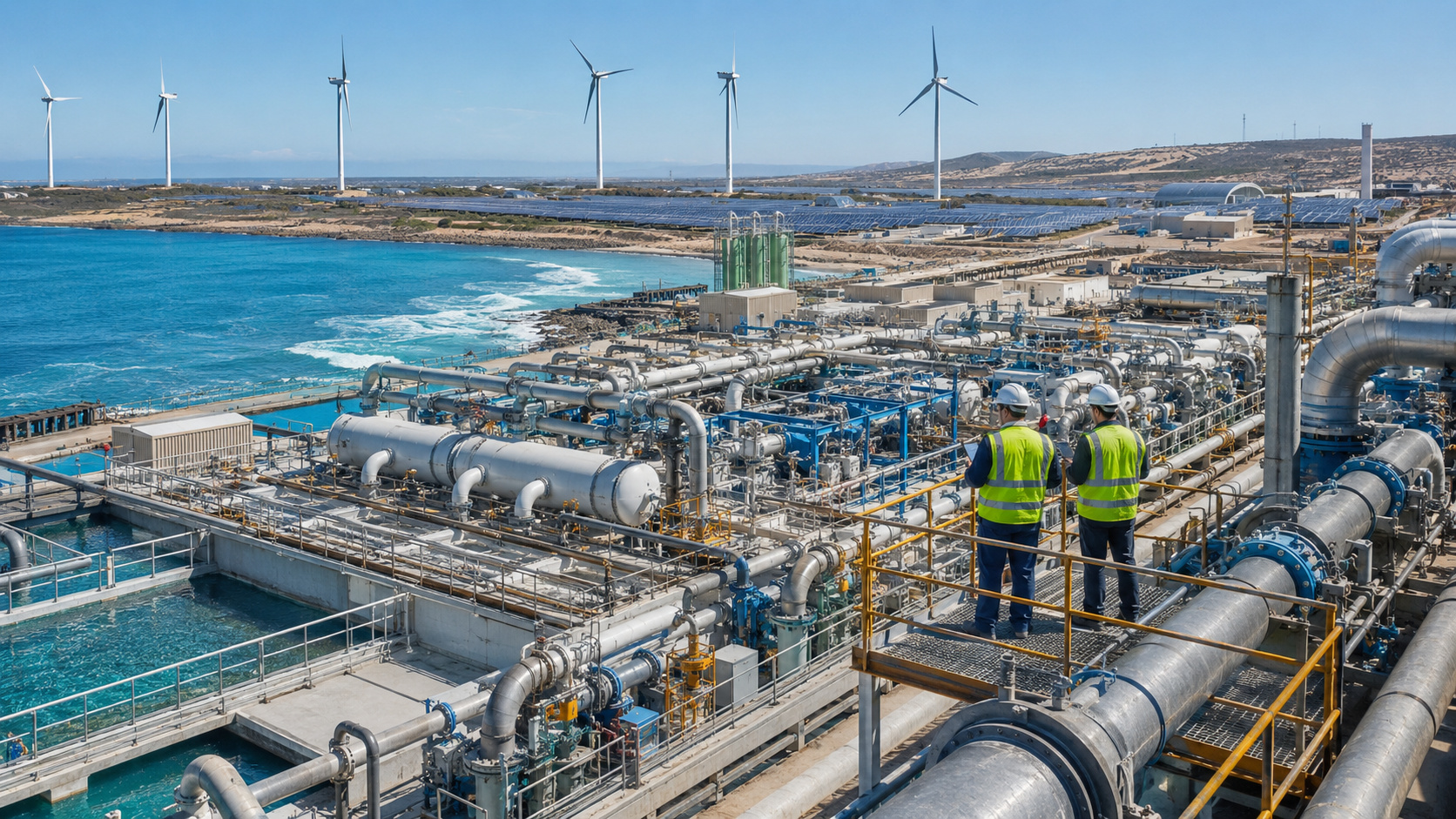
Undoubtedly, the abundant natural resources in the Caribbean represent a great opportunity to explore solar and wind energies and diversify its energy matrix. On the other hand, regional integration and international partnerships also offer effective pathways. Finally, targeted subsidies and simplified regulations can further encourage the adoption of clean technologies.
The Path Is Clean And Sustainable
The Path Is Clean And Sustainable
In summary, although the challenges are significant, the solutions are undoubtedly within reach. Certainly, with appropriate policies and societal support, the Caribbean can overcome its dependence on fossil fuels and build a cleaner, safer, and economically advantageous future for the next generations.




-

1 person reacted to this.