





 Portuguese
  English
  Spanish
  3 min of reading
  0 comments


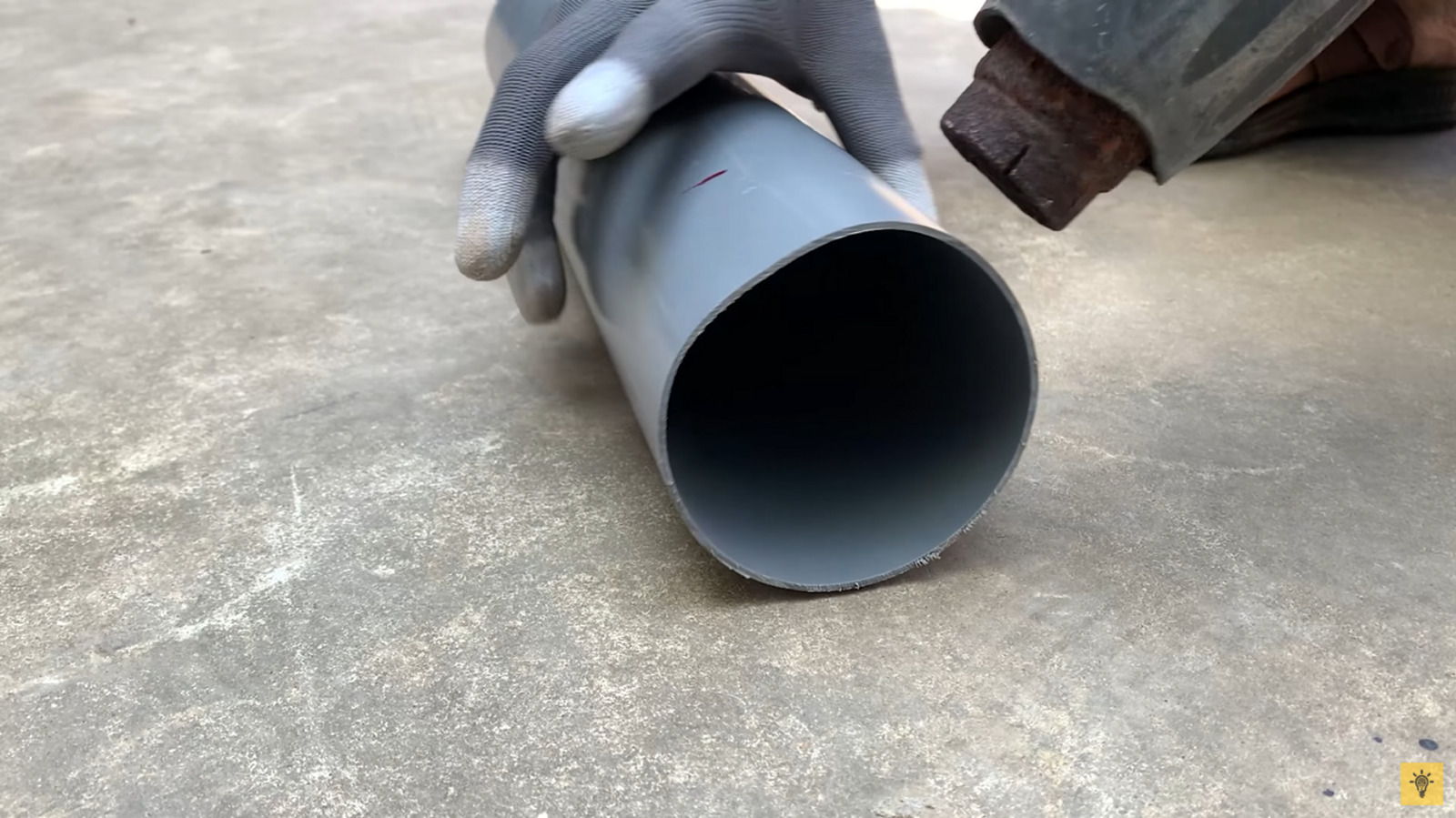
PVC Trick With Controlled Heat Teaches How to Fix Pipe Leaks at Home Without Breaking Floor, Prevents Water Waste, and Can Be Done on the Same Day With 2-Hour Drying
The trick to fix pipe leaks at home gained attention after a plumber went viral with a video for over 170 thousand subscribers on the Holic Clever channel, teaching a technique with PVC scraps and controlled heat that avoids breaking and reduces immediate costs.
The method presented uses only repurposed plastic materials and moderate heat application to seal cracks in PVC pipes.
The proposal is to stop the leak at the source, without the need to remove all the plumbing or carry out extensive work inside the home.
-
Amid the United States’ economic blockade, China delivers 15,000 tons of rice to Cuba as part of a 60,000-ton donation personally approved by Xi Jinping. The package includes 80 million dollars and solar panels for hospitals.

-
For around 200 reais, anyone can buy a kit and have a chip implanted between their fingers to replace cards, keys, badges, and even medical information in case of a hospital emergency.
-
A 600-meter hill in the interior of Santa Catarina hides a volcanic past of almost 600 million years. The Morro do Garrafão in Corupá may have been an ancient extinct volcano, and science now confirms what the residents have always suspected.
-
Family has lived for over 50 years without electricity and running water at home in the South of Minas, 10 minutes from the city, improvising light, bath, and water while facing a lack of basic resources and awaiting property regularization.





The technique consists of creating a handmade sleeve molded directly over the damaged spot. A thin strip of PVC is lightly heated with fire, allowing the material to mold around the pipe with enough pressure to seal the crack.
After fitting the heated piece, applying specific plastic adhesive finishes the process. The glue reinforces the seal and prevents moisture from leaking back under the floor or behind the walls.
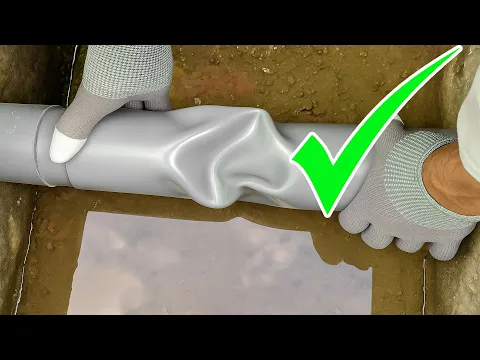

How to Fix Pipe Leaks at Home With a Handmade Sleeve Molded on the Pipe Itself
The procedure to fix pipe leaks at home begins with shutting off the main street valve.
Next, the entire area around the hole must be completely dry to ensure proper adhesion of the material.
The leftover PVC is heated until it reaches sufficient flexibility to be molded over the burst pipe. The hot piece is pressed against the cracked area, forming an improvised sliding sleeve directly on the pipe.
After that, the plastic glue is applied, and a firm half-turn is made on the molded piece. The recommended drying time is two hours before reopening the valve to test for leaks.
Difference Between Professional Repair and the Handmade Method
Complete replacement of the plumbing involves breaking floors and walls, applying new plaster, and hiring a specialist for several days.
This process generates debris and raises the final cost of hydraulic maintenance.
In contrast, the method with melted PVC avoids internal demolition and solves the leak on the same day. The maintenance is specific, focused only on the affected area of the plumbing system.
Financial Impact of Unrepaired Leaks
A small continuous drip can increase the monthly water bill and compromise the plaster of the residence.
Prolonged infiltration also stains walls and deteriorates the back of wooden cabinets in kitchens and laundry rooms.
Reports from the Environmental Protection Agency indicate that uncorrected residential leaks waste thousands of liters of treated water annually.
Fixing the problem early avoids significant financial loss in the family budget.
Popularization of the Method on Social Media
The video published on the Holic Clever channel, which has over 170 thousand subscribers, showed the step-by-step of the home repair.
The 65-year-old plumber demonstrated the technique using simple materials, emphasizing careful flame control.
The success of the content increased interest in DIY pipe leak repairs, especially among those looking to solve unexpected issues without high costs.
The final recommendation is to wait the two hours of drying before reopening the valve and checking the flow. Following the step-by-step carefully reduces risks and keeps the home plumbing functional, preventing waste and new damage to the home’s structure.
With information from Correio Braziliense.







-

-

-

-

-

13 people reacted to this.