





 Portuguese
  English
  Spanish
  4 min of reading
  0 comments


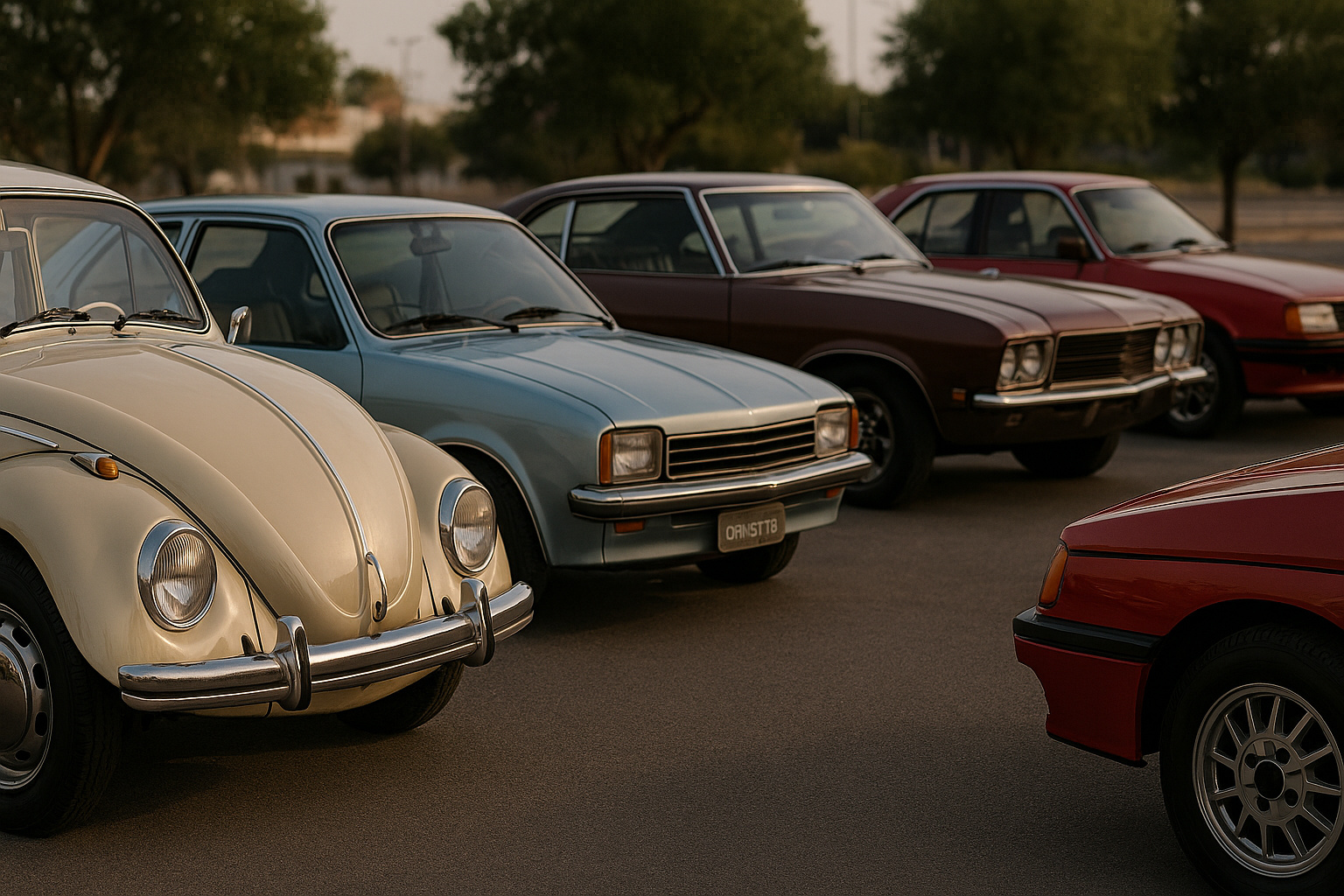
Historical Models Are Regaining Interest in the Market and Attracting Collectors with Initial Prices Starting at R$ 15 Thousand.
The market for used classic cars has gained traction in Brazil in recent years, fueled by the appreciation of models that made their mark and the passion of collectors. According to verified listings on Mercado Livre in September 2025, seven iconic vehicles remain among the most sought-after, with prices starting at R$ 15 thousand.
The search for these models goes beyond collecting. Many buyers see them as a medium- and long-term investment, as the appreciation can multiply the value paid at the initial acquisition. Moreover, factors such as design, emotional memory, cultural legacy, and historical significance explain why these machines remain in the imagination of generations.
-
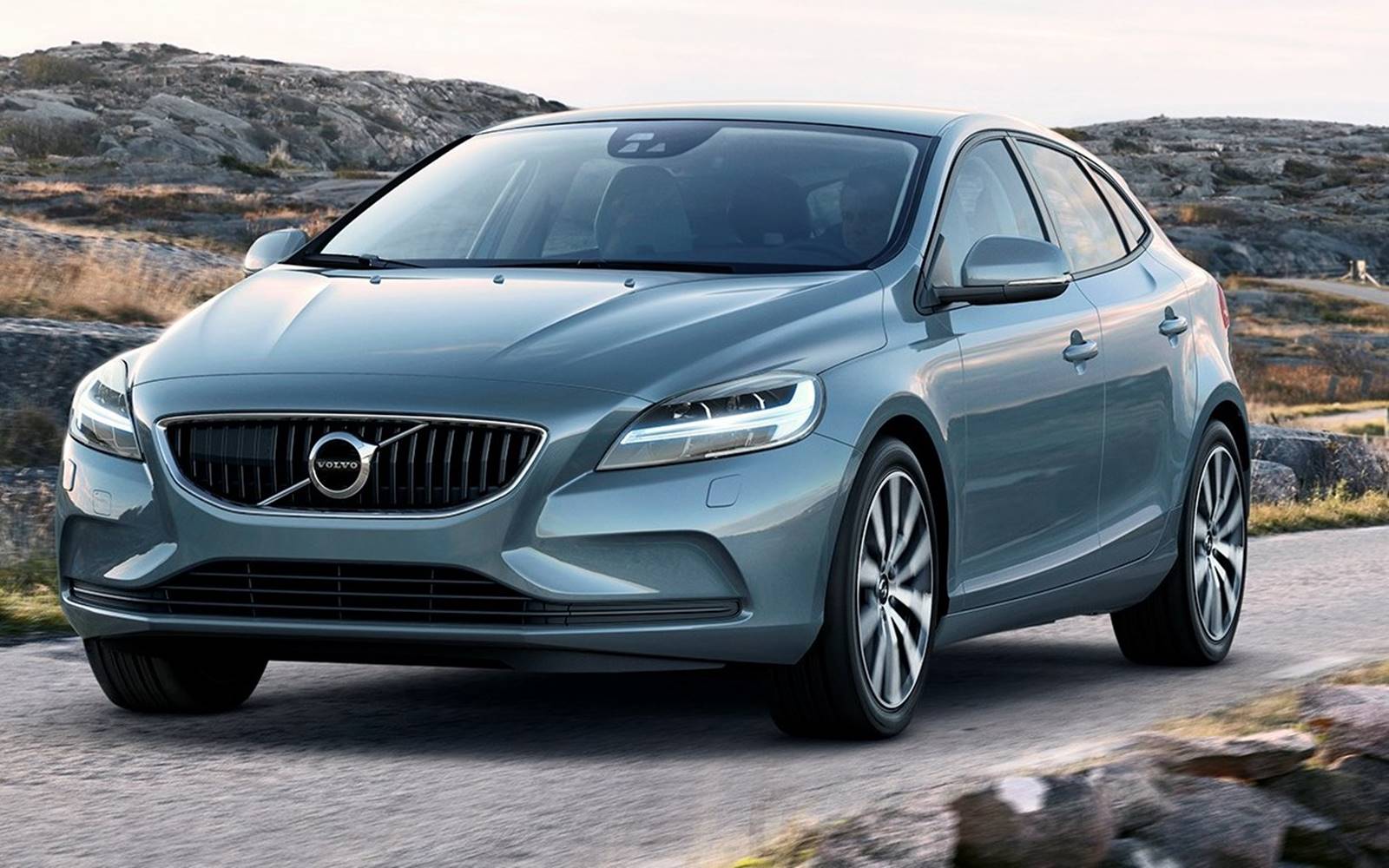
Cheaper than Fiat Pulse, Renault Kardian, and Volkswagen Tera: with a 2.0 turbo engine of 190 hp, 30.6 kgfm torque, automatic transmission, and Swedish safety package, this premium hatch delivers sports car performance at the price of a new compact: meet the Volvo V40 T4 Momentum 2017.

-
Cheaper than a new Mobi and a Polo: with a 1.8 engine of up to 139 hp, 6-speed Aisin automatic transmission, 300 liters of trunk space, and a complete equipment package, this hatch stands out for its performance and cost-effectiveness for those seeking sportiness without spending too much. Meet the Fiat Argo HGT 2018.

-
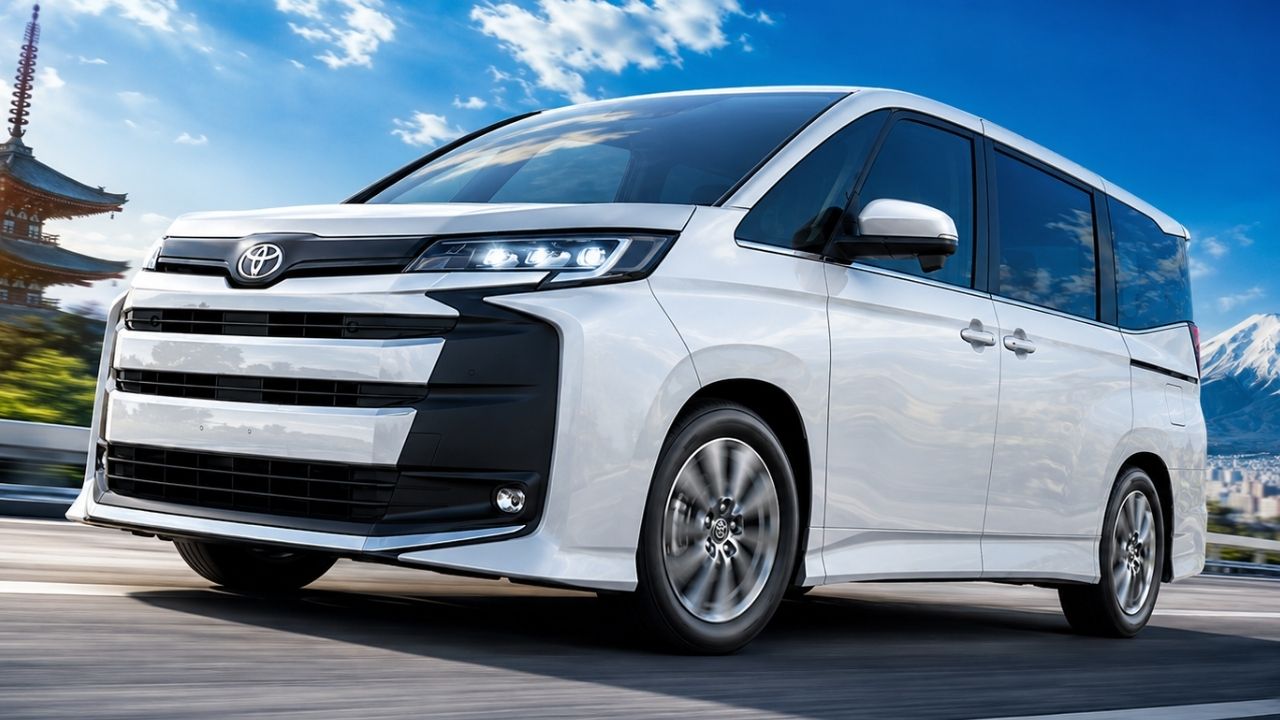
Toyota launches “family hybrid van” with 7 or 8 seats, 1.8 hybrid engine, fuel consumption of up to 23.8 km/l, and a price equivalent to about R$ 104,000 without taxes, below the Tiggo 8 Pro Plug-in Hybrid sold in Brazil: meet the Noah Hybrid 2026 in Japan.
-
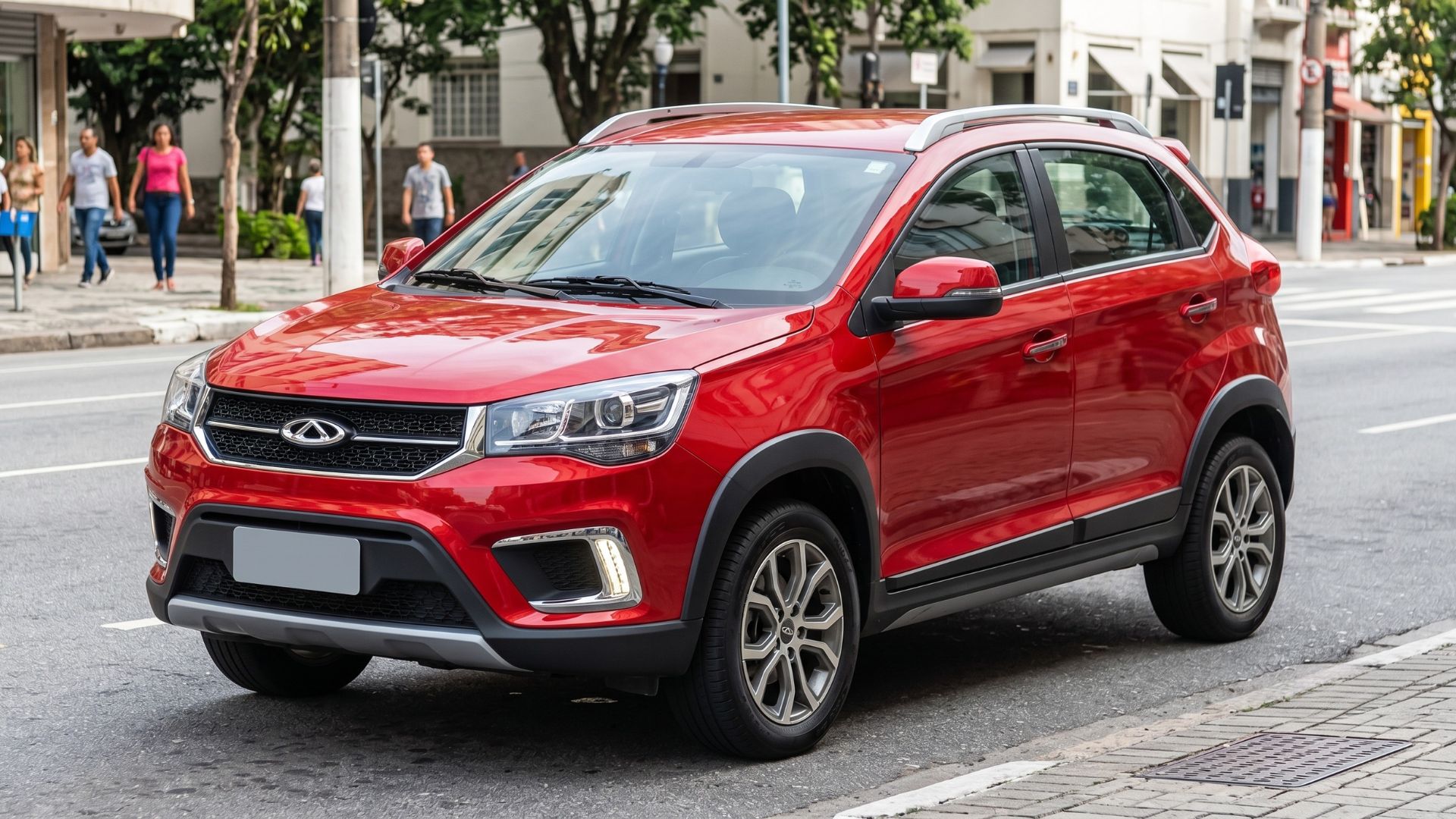
With the look of a compact SUV and the price of a rational used car: 1.5 flex engine with 115 hp, automatic transmission, 420-liter trunk, and multimedia make the Caoa Chery Tiggo 2 Look 1.5 AT 2020 an unconventional alternative.


Beetle Teaches Brazil to Drive
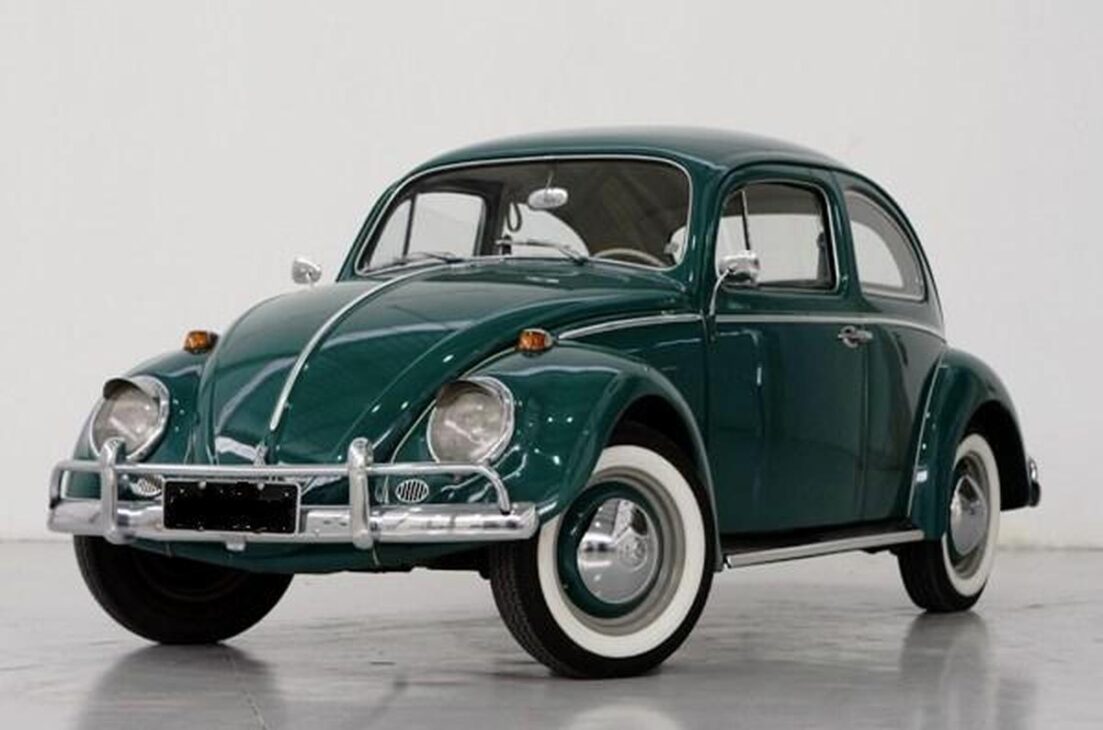
Produced for nearly four decades, the Volkswagen Beetle is considered the car that put millions of Brazilians behind the wheel. Simple, robust, and charismatic, the model became an icon of automotive culture.
According to market data, well-preserved examples are listed starting at R$ 15 thousand, while units requiring restoration cost less than half of that. Meanwhile, oval window versions, produced between the 1950s and 1960s, exceed R$ 100 thousand.
This wide range makes the Beetle one of the most accessible entry points into the world of classics.
Chevette Becomes a Collectible
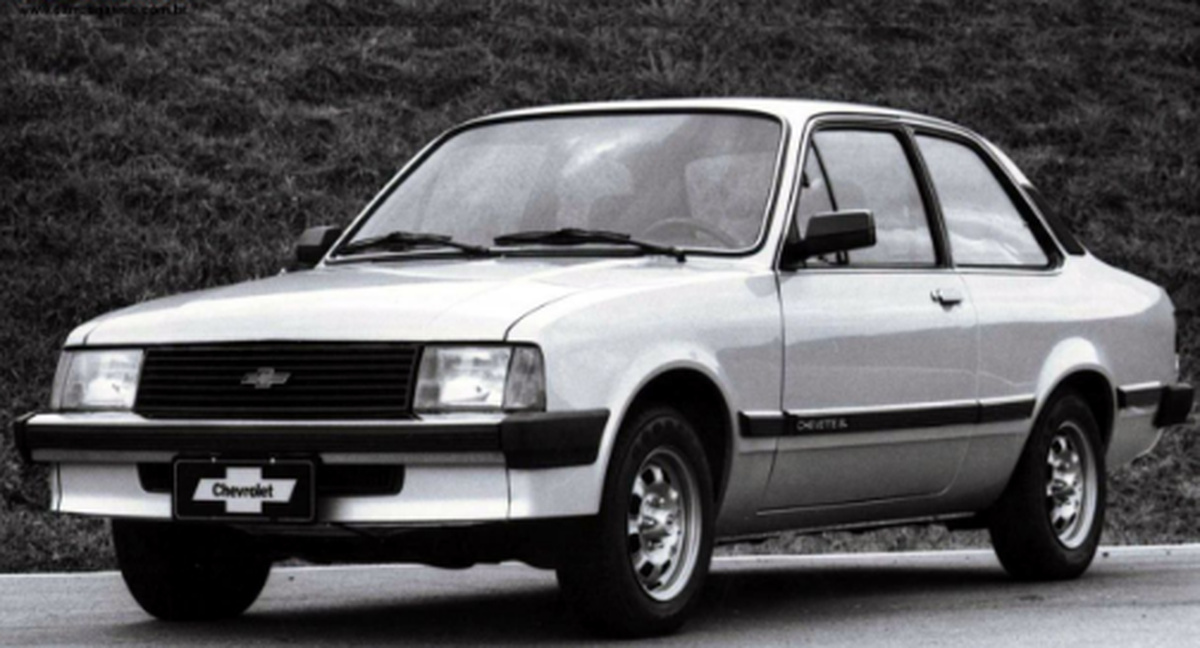
Launched in 1973 and produced until 1993, the Chevrolet Chevette arrived to rival the Beetle. With a front engine and rear-wheel drive, it underwent aesthetic transformations from the 70s to the 80s but never lost its appeal as an affordable car.
Today, listings show prices starting at R$ 15.7 thousand for hatchback, sedan, Marajó wagon, and Chevy 500 pickup versions. Once seen as cheap used cars, the model is beginning to gain prestige among collectors, especially well-preserved units from the first generations.
Corcel Maintains Ford’s Legacy
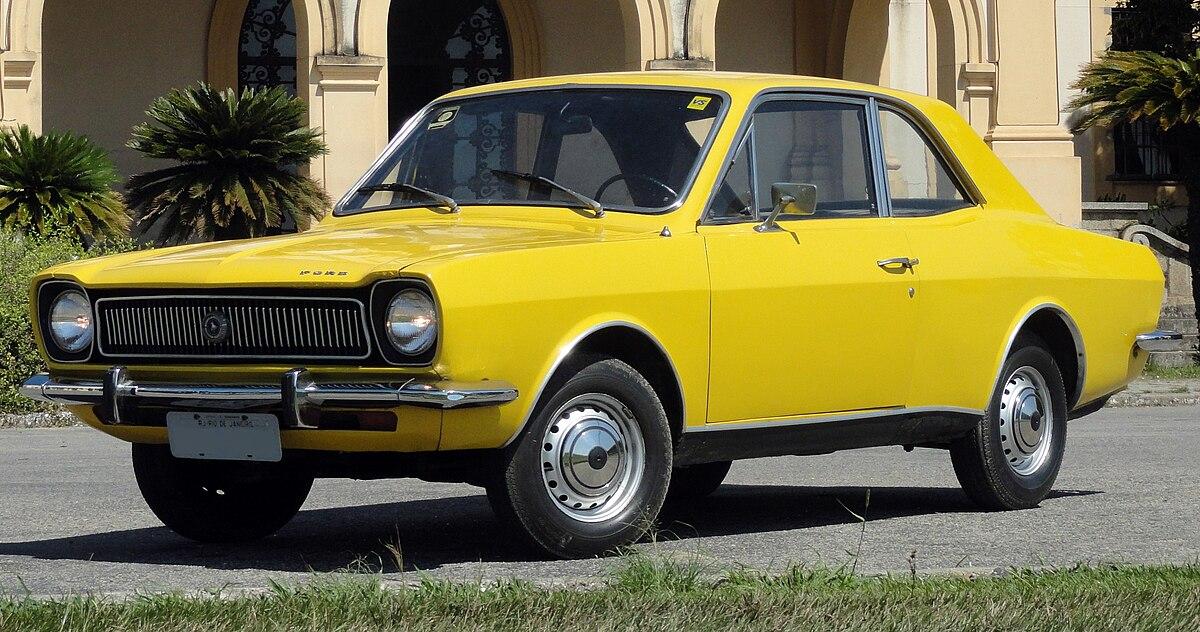
The Ford Corcel, launched in 1968, originated from a Renault project and quickly established itself as a success in Brazil. The second generation, the Corcel II, arrived in 1977 with straighter and more modern lines.
Currently, prices start at R$ 19.9 thousand. The Ghia version, equipped with refined finishes and even automatic transmission in some units, stands out among collectors. The model combines European DNA with adaptation to the Brazilian market, explaining its continued presence among valued classics.
Opala: A Status Symbol
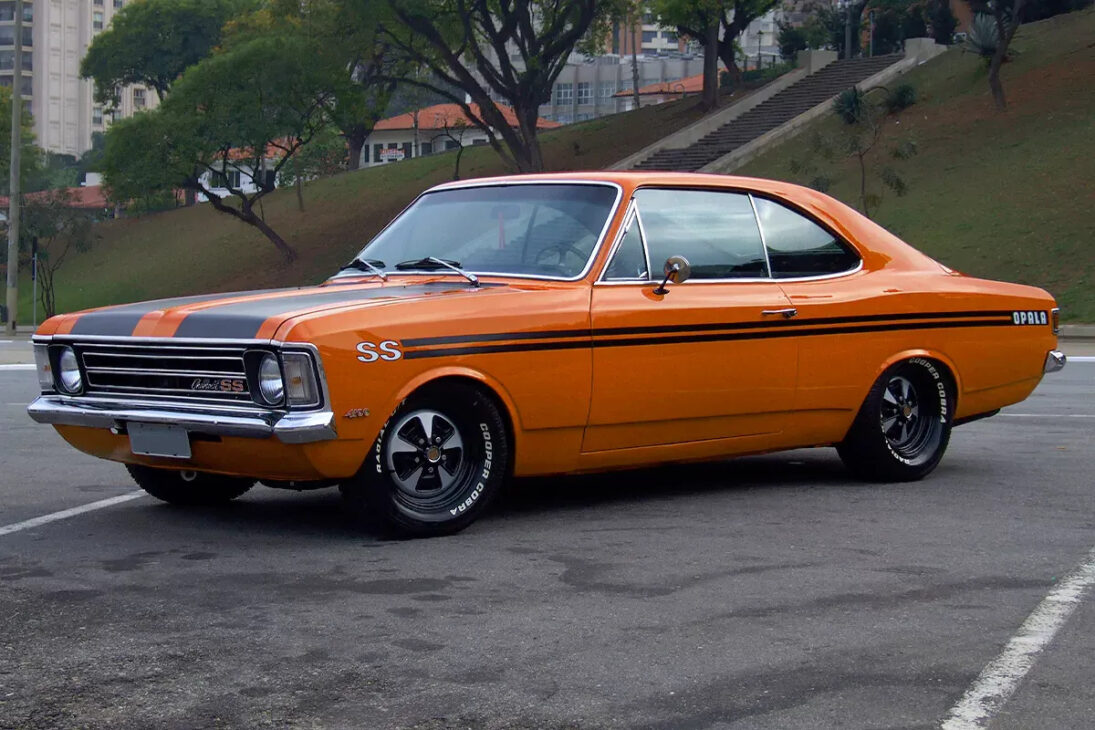
The Chevrolet Opala was introduced in 1968, inspired by the German Opel Rekord, and was produced until 1992. Throughout this period, it became a status symbol, with versions ranging from the basic 4-cylinder to the luxurious Diplomata and Comodoro, in addition to the legendary sports version SS.
Simpler models can be found starting at R$ 30 thousand, while well-preserved SS 6-cylinder units can exceed R$ 200 thousand. Due to its variety of versions and long history, the Opala ranks among the most valued models in the country.
Gol GTS Competes for the Youth of the 80s
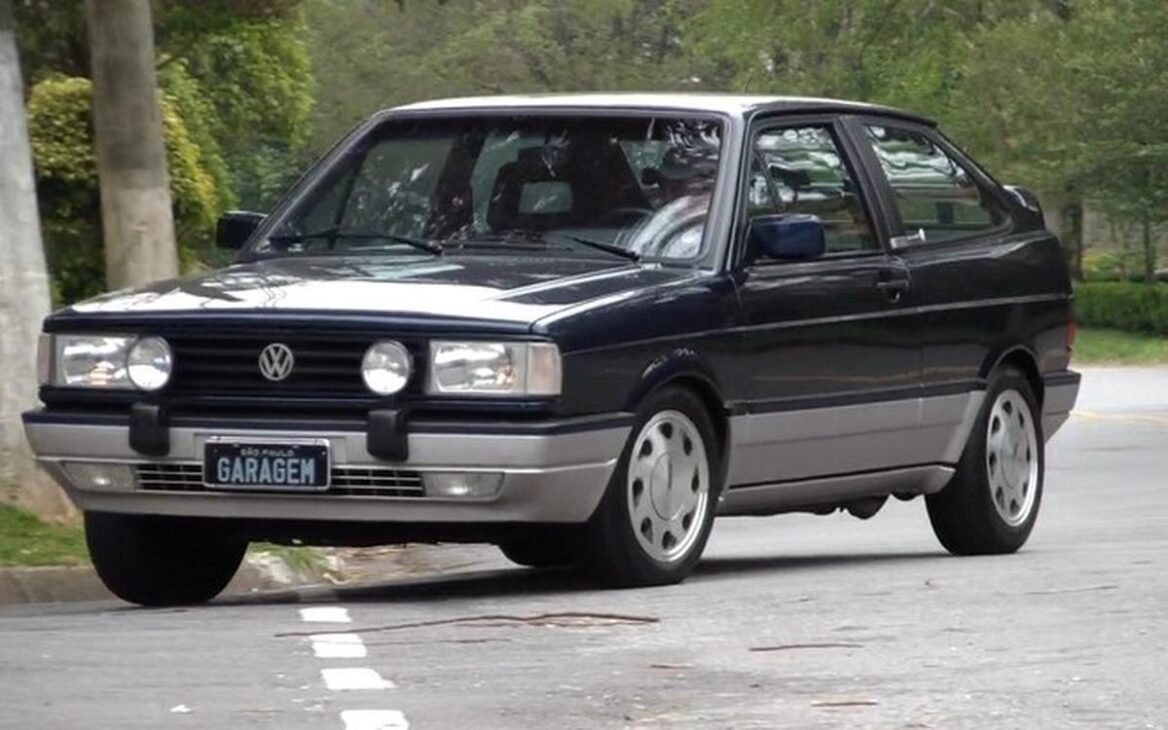
In the 1980s, Volkswagen launched the Gol GTS, a direct response to the craze for national sports cars. Inspired by the success of the European Golf GTI, it featured a 1.8 engine, recalibrated suspension, and aggressive styling.
At the time, it was a direct rival to the Ford Escort XR3, a rivalry that marked youth culture. Today, the average price is around R$ 49.9 thousand, but original and well-preserved models can exceed R$ 80 thousand.
Puma GTS Shows Brazilian Boldness
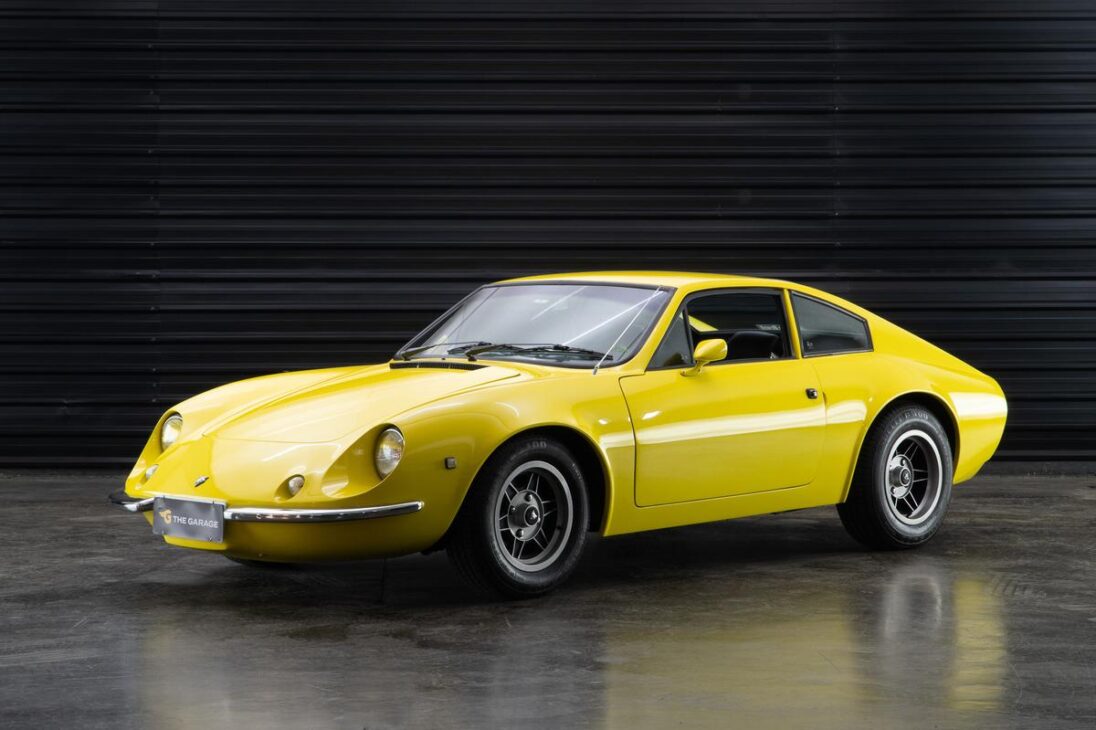
Between 1970 and 1980, the Puma GTS distinguished itself as a national sports car with a unique identity. While it used Volkswagen mechanics, it featured a fiberglass body and exclusive design.
A symbol of boldness, the convertible is remembered as a cultural icon. In the current market, average prices are around R$ 69.9 thousand, making the model a coveted piece among collectors.
Maverick Brings the Spirit of Pony Cars
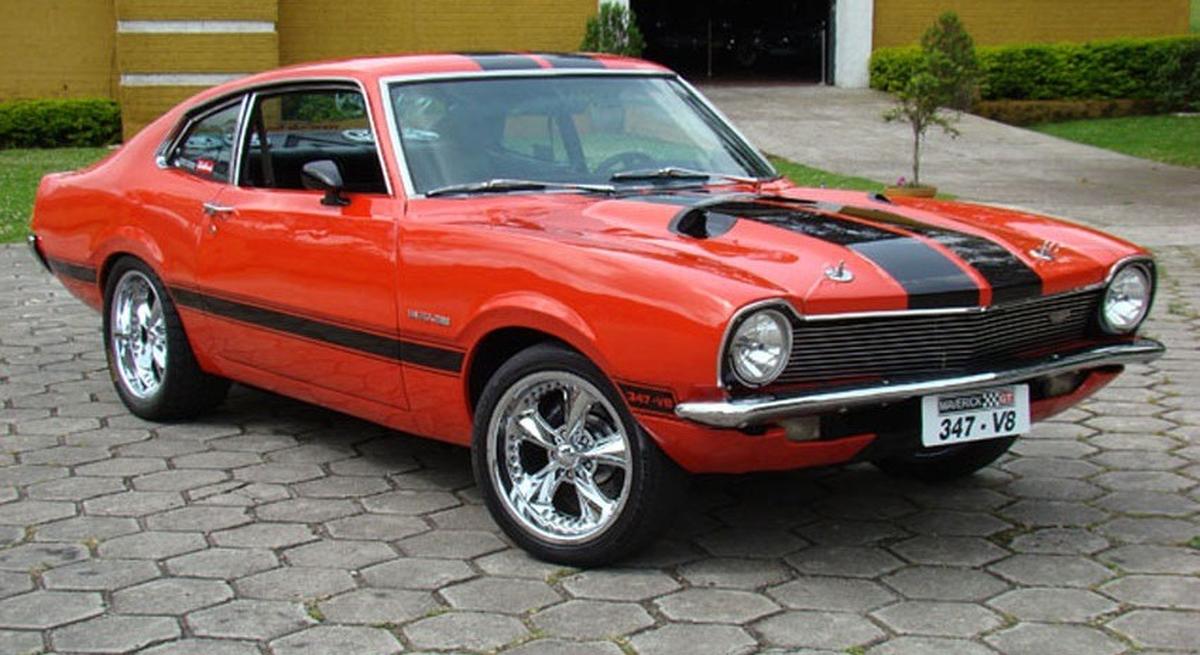
Launched in 1973, the Ford Maverick brought the inspiration of North American pony cars to Brazil. Available in coupe and sedan versions, it catered to different consumer profiles.
Its options ranged from the simple Super to the mid-range Luxo, in addition to the iconic GT, equipped with the V8 302 engine. Today, basic models start at R$ 80 thousand, while well-preserved GT V8 versions exceed R$ 250 thousand, consolidating the Maverick as one of the most valued classics in the country.
What Explains the Appreciation of These Models?
The analysis of the seven models shows that the market for used classic cars combines initial accessibility with high appreciation potential. Factors such as emotional memory, historical relevance, and exclusivity justify the rising prices.
Based on data from Mercado Livre verified in September 2025, values range from R$ 15 thousand to R$ 250 thousand, depending on the state of preservation and the version.
What Does the Future Hold for the Classics Market?
Experts believe that the segment is set to grow in the coming years, particularly among young collectors. In addition, the digitalization of listings makes accessing information easier and increases the visibility of these vehicles.
However, the market requires attention: appreciation depends on factors like originality, maintenance, and demand. A buyer who invests wisely could find in these cars not just a piece of history, but also a constantly evolving asset.
Do you believe that the best path is to invest in cheaper models with appreciation potential, or to focus directly on already established and expensive classics?


-

-

2 people reacted to this.