






 Portuguese
  Spanish


Giant gabiroba found in areas of the mountainous region of Espírito Santo contains vitamin C, fibers, essential minerals, and one of the most intense flavors of Brazilian flora.
A rare fruit from the Atlantic Forest is attracting the interest of researchers, nutritionists, rural producers, and chefs in Espírito Santo. Known as giant gabiroba, the species stands out for its unusual size, high acidity, and the benefits associated with its consumption.
Fruits weighing more than 400 grams can be found on trees cultivated in the mountainous region of Espírito Santo. Additionally, the species has a significant concentration of vitamin C, fibers, and important minerals for the body.
Research and observations conducted by specialists show that the fruit also has strong gastronomic potential, being used in recipes ranging from desserts to savory dishes.
-
Creative Uses for Toilet Paper Rolls That Will Change Your Perspective

-
Crab Trapped in Plastic Bottle for 62 Days Near Okinawa Highlights Little-Known Impact of Marine Pollution on Small Animals
-
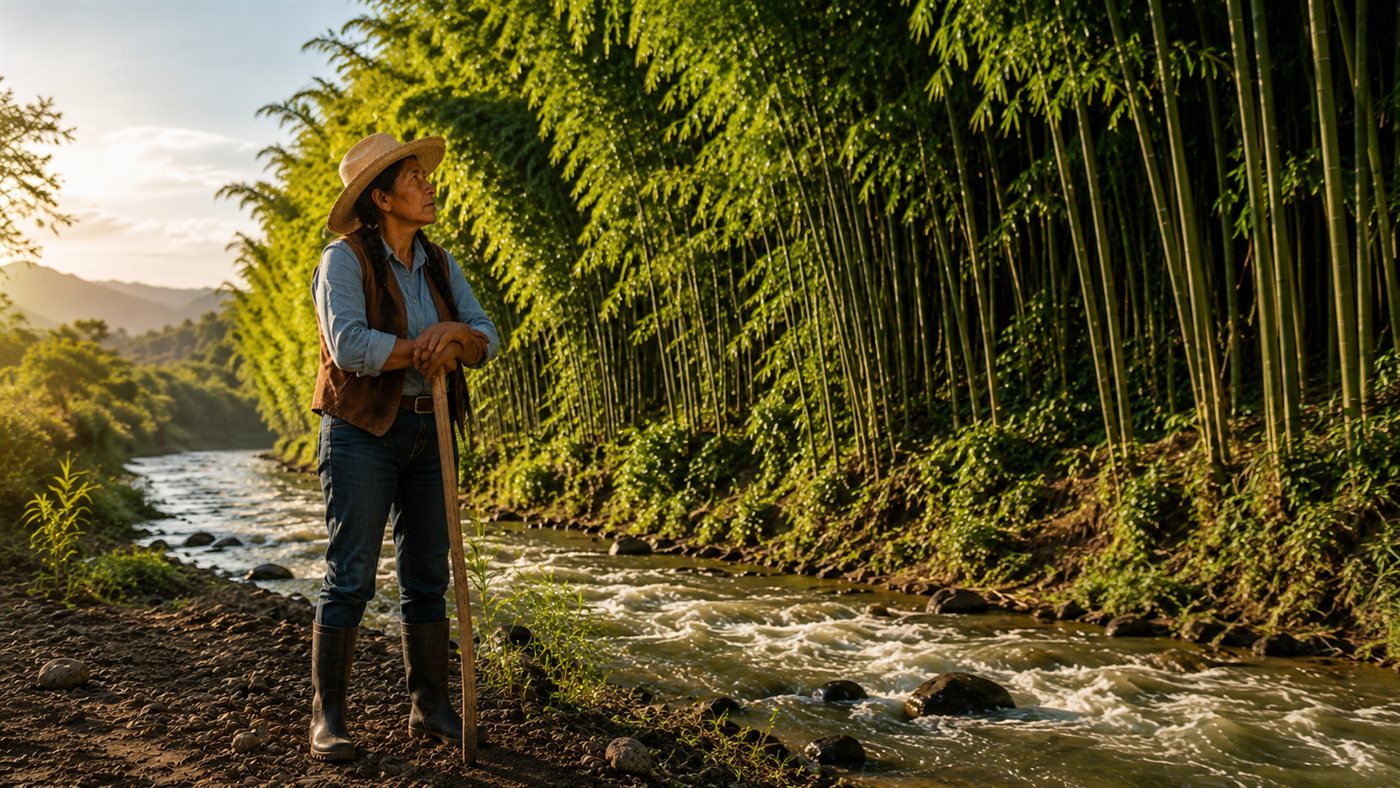
Esperanza’s Bamboo Barrier in Oaxaca Redirects River and Reduces Erosion by 85% in Five Years

-
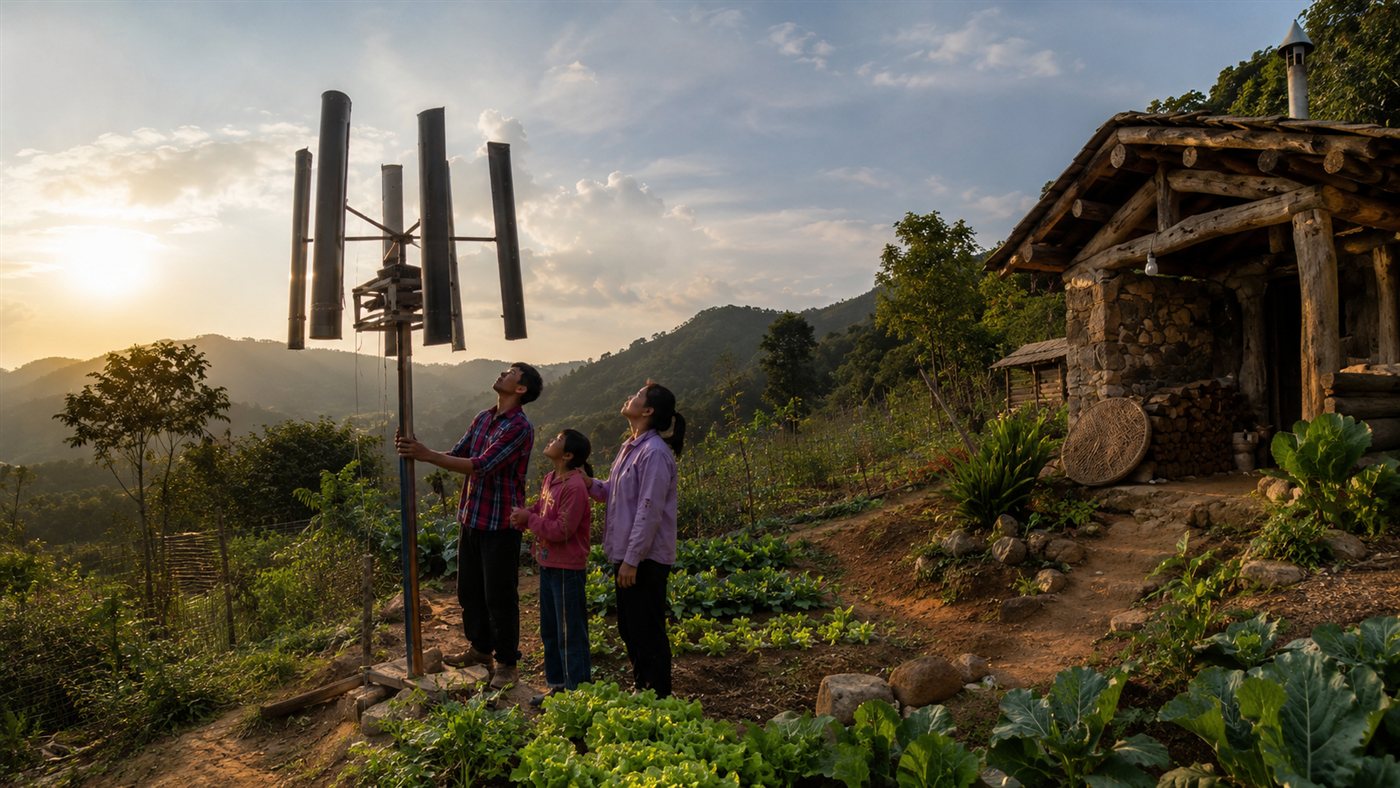
Family Builds Homemade Wind Turbine to Power Off-Grid Home, Video Reaches 555,000 Views on Ngô Thị Huyền’s Channel


Rare species attracts attention for its size and rapid fruiting
Data presented by researcher Nara Mota from the National Institute of the Atlantic Forest (Inma) indicate that there are at least 35 species of gabiroba in Brazil.
A large part of these varieties occurs in the Cerrado and the Atlantic Forest. However, the giant gabiroba is distinguished by producing the largest fruits of the Campomanesia genus.
Each fruit can reach approximately 12 centimeters in diameter, while similar species usually reach up to 8 centimeters.
Characteristics of the species explain the origin of the popular name:
- Can exceed 400 grams per fruit;
- Produces the largest fruits of the Campomanesia genus;
- Has a growth rate considered fast;
- Begins fruiting in about three years;
- Features a rough and peeling bark on the trunk.
Similar characteristics can also be observed in species of the same botanical family, such as jabuticaba, pitanga, and araçá.

Vitamin C, fibers, and minerals enhance nutritional benefits
Nutritional evaluations indicate that the giant gabiroba concentrates important nutrients for nutrition.
Information from nutritionist Danielle Laporte highlights the presence of vitamin C, fibers, potassium, calcium, and magnesium.
Bioactive compounds found in the fruit act as natural antioxidants. This process helps combat free radicals and contributes to the protection of cells against oxidative stress.
Dietary fibers present in the pulp promote intestinal function and help balance the absorption of fats and sugars.
Minerals such as calcium, magnesium, and potassium are involved in functions related to bone health, muscle function, and heart regularity.
Acidity four times greater than lemon captivates chefs and consumers
Intense flavor is one of the main differentiators of the giant gabiroba.
Reports from chef Ricardo Silva, who works in Vargem Alta, indicate that the fruit has acidity approximately four times greater than that of lemon.
Yellowish pulp, high juiciness, and distinctive aroma make the fruit a versatile ingredient for regional gastronomy.
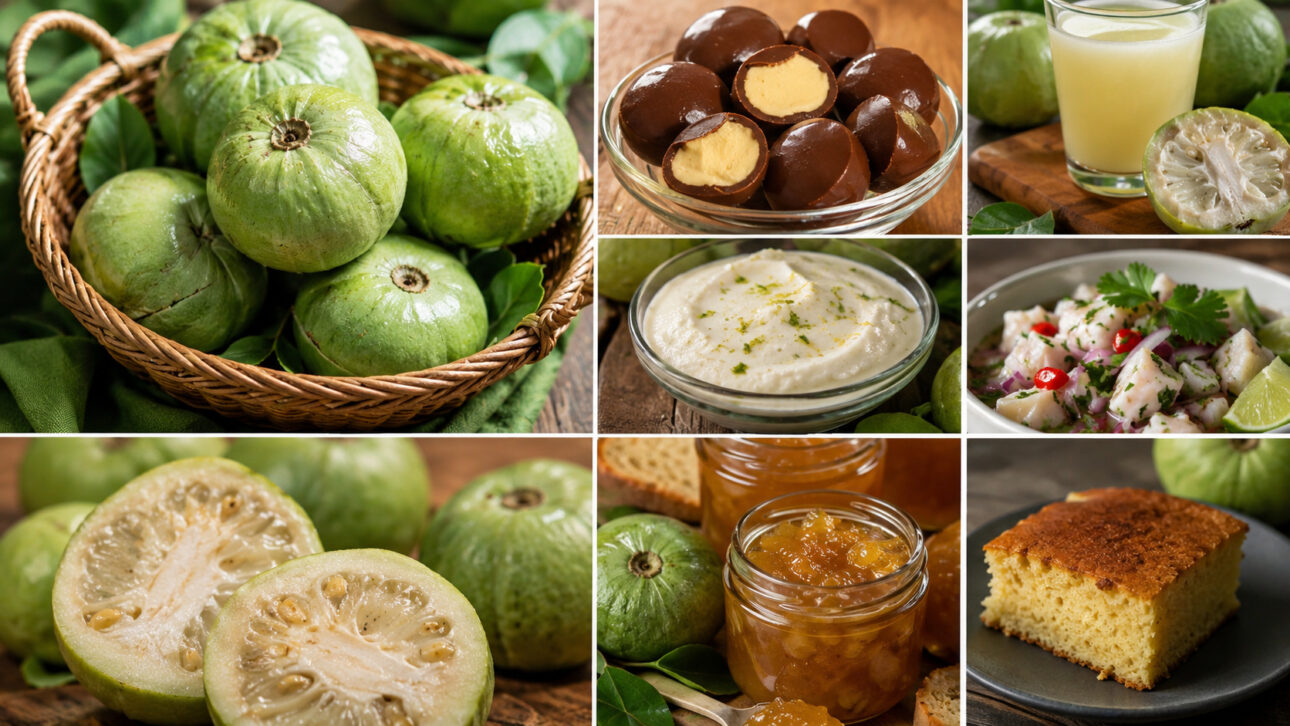
Recipes prepared with giant gabiroba include:
- Ceviche;
- Caponata;
- Juice;
- Jam;
- Cachaça;
- Bonbon;
- Brigadeiro;
- Mousse;
- Cake;
- Ice cream.
Gastronomic experiences involving the fruit often surprise consumers who have never encountered the species.
Climate and pollination help explain the rarity of the fruitSpecific environmental conditions are necessary for the production of the giant gabiroba.
Milder temperatures, periods of humidity, and the presence of pollinators play a fundamental role in the development of the fruits.
Stingless bees, especially the uruçu-capixaba, directly participate in this process.
The harvest period occurs between the months of June and August, when the fruits reach adequate maturity for consumption and processing.
Limited production increases the commercial value of the giant gabiroba
The cultivation of the fruit is still considered restricted. This characteristic directly influences its market value.
Rock industry entrepreneur, Adenilson Panzini, has maintained a specimen of the species on his property for about 30 years.
The mature tree currently produces more than 100 kilos of fruit per season. Part of the production is frozen for preservation, and another part is destined for schools and chefs in the region.
Low supply and rarity of the species cause the product to reach high prices. According to the producer, one kilo of the giant gabiroba can reach R$ 100.
Rare fruit unites biodiversity, gastronomy, and nutritional value
The giant gabiroba represents one of the most curious specimens of the biodiversity of the Atlantic Forest in Espírito Santo.
Distinctive size, intense acidity, relevant nutritional composition, and wide gastronomic application help explain the growing interest in the species.
Named sources consulted: National Institute of the Atlantic Forest (Inma), researcher Nara Mota, nutritionist Danielle Laporte, chef Ricardo Silva, and entrepreneur Adenilson Panzini.
Did you already know the giant gabiroba, a rare fruit of the Atlantic Forest that can weigh more than 400 grams and has acidity four times higher than that of a lemon?


