Portuguese
  Spanish


According to Honda Japan, the Step WGN and AIR EX have a suggested price of 3,938,000 yen with local tax, about R$ 125,000 in direct conversion, before Brazilian taxes, with options for 7 or 8 occupants, electric sliding doors, and the Honda SENSING safety package in the Japanese market.
The Honda sells in Japan a family minivan that, to the Brazilian eye, resembles a kind of modern “premium Kombi.” The Step WGN and AIR EX combine a boxy body, sliding doors, three rows of seats, and a hybrid system in a proposal aimed at families who need space without migrating to a large SUV.
The comparison draws attention because the suggested Japanese price starts at 3,938,000 yen with local tax, a value that is close to R$ 125,000 in direct conversion at the yen exchange rate. In Brazil, this calculation does not include national taxes, freight, importation, homologation, or commercial margin. Even so, the contrast with hybrid SUVs sold here, such as the Tiggo 8 Pro Plug-in Hybrid, helps explain why family minivans remain strong in Japan.
Step WGN bets on square and family format
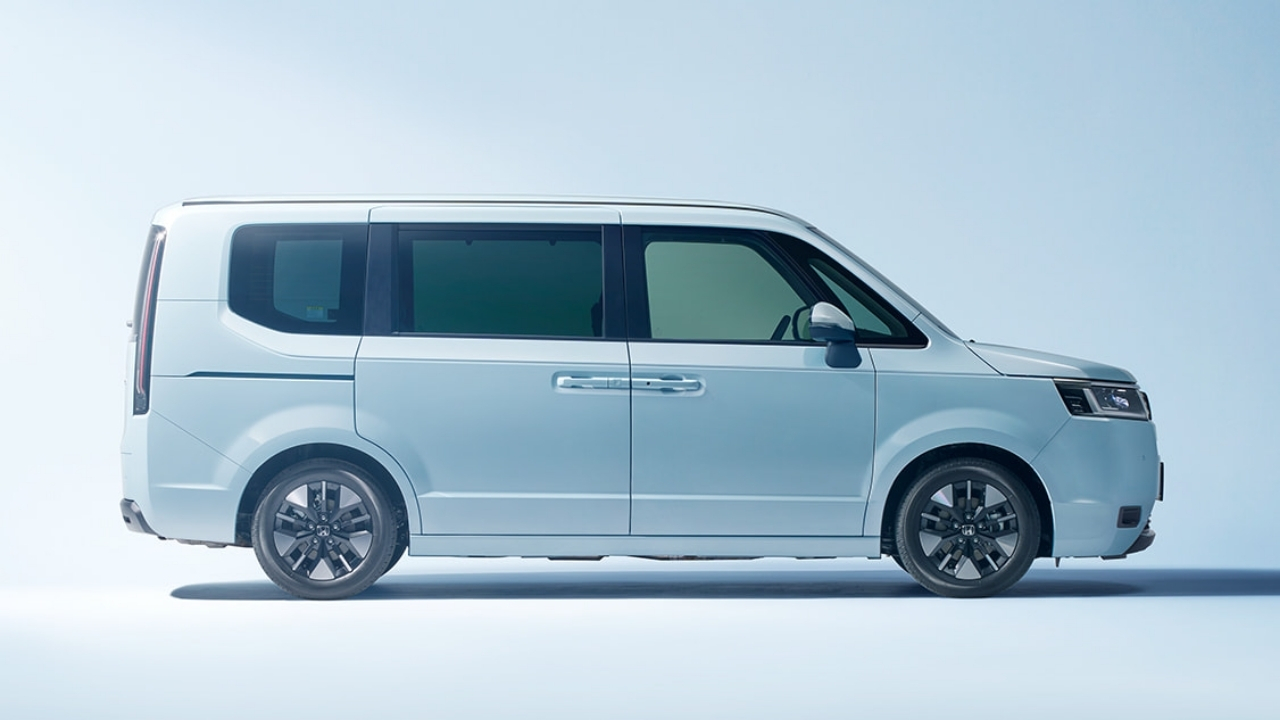
The Step WGN has a straight-line body, with a clean look and box shape. Honda Japan itself highlights the box shape of the model, reinforcing a simple, practical proposal aimed at daily family use.
-
British Factory Transitions from Mechanical Parts to Producing 420,000 Electric Power Units Annually, Supplying 70% of Ford’s Electric Cars Sold in Europe

-
Toyota Shifts from Hybrid Cars to Electric Air Taxis with Joby’s 6-Rotor Aircraft, Capable of 322 km/h, Aiming for Mass Production to Electrify Urban Skies

-
Ferrari Unveils Limited Edition 12Cilindri Manuale: 6.5-Liter V12, 830 HP, 0-100 km/h in 2.9 Seconds, Top Speed Over 340 km/h, Only 1,499 Units Available

-
Discover the 2021 Fiat Cronos 1.3: Affordable Maintenance, Reliable Mechanics, and Fuel Efficiency of Up to 15.6 km/l


This design does not try to look sporty or adventurous. The logic is to take advantage of internal space, facilitate access, and offer comfort for those transporting family, children, luggage, and shopping. That is why the model may remind the Brazilian public of a “premium Kombi,” although it is a modern and hybrid minivan.
Converted price is close to R$ 125,000
In the AIR EX version, Honda reports a suggested price of 3,938,000 yen with Japanese tax. By direct conversion from yen to real, the value is around R$ 125,000, without considering any cost to bring the vehicle to Brazil.
The price without Japanese tax is 3,580,000 yen. Therefore, the number of R$ 125,000 should be understood as an approximate reference of the converted Japanese price, not as a sales value in Brazil. If officially imported, the minivan would have a different price after taxes, logistics, and commercial margins.
Comparison with Tiggo 8 Pro Plug-in draws attention
In Brazil, the Tiggo 8 Pro Plug-in Hybrid appears on the CAOA Chery website with a starting price of R$ 269,990. The comparison is not direct, because the Chinese SUV is officially sold in the Brazilian market, while Honda’s Step WGN is a product of the Japanese market.
Even so, the contrast helps to gauge the size of the difference. The Honda Step WGN and AIR EX costs less than half the price of the Tiggo 8 Pro Plug-in Hybrid in a simple conversion. The calculation shows more the difference between markets than a real commercial competition between the two models.
Minivan has option for 7 or 8 occupants
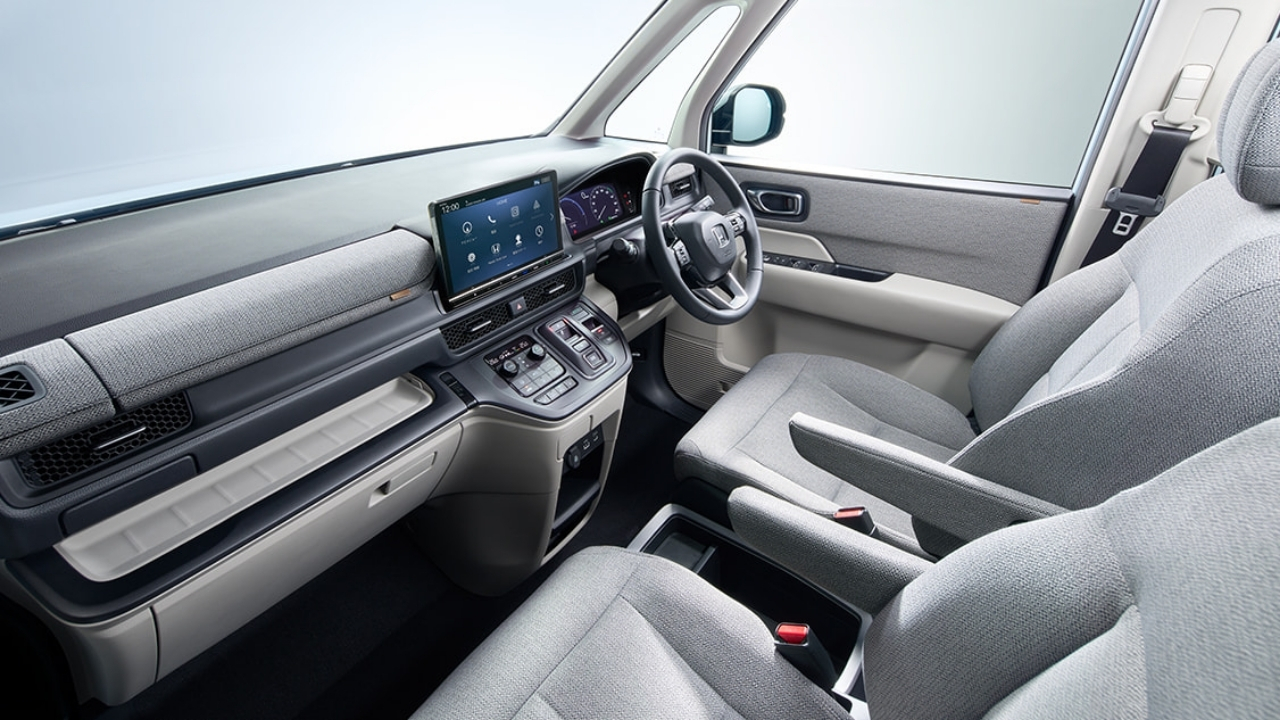
Honda reports that the Step WGN and AIR EX can be configured with capacity for 7 or 8 occupants in Japan. The 7-seat version prioritizes the second row with individual captain’s chairs, focused on comfort.
This arrangement changes the proposal compared to many SUVs. Instead of just adding two cramped seats in the trunk, the minivan was designed from the start to transport passengers in three rows. The focus is on family coexistence, easy access, and comfort on long journeys.
Seat with leg support reinforces premium proposal
One of the most striking features is the ottoman in the second row, a kind of adjustable leg support. The item allows passengers to stretch their legs and travel more comfortably in the captain’s chairs.
This feature is common in Japanese minivans with a more refined family profile. The idea is to transform the second row into a resting space, almost like an armchair. For those traveling with the elderly, children, or spending a lot of time in the car, this detail changes the onboard experience.
Sliding doors make daily use easier
The Step WGN and AIR EX feature electric sliding doors on both sides, with touch sensors and an easy closing system. This type of door is one of the biggest differentiators of minivans compared to SUVs.
In tight garages, shopping mall parking lots, or spaces close to other cars, the sliding door makes it easier for passengers to get in and out. For families with children, car seats, and luggage, this solution can be more practical than conventional doors.
Interior uses comfort and practicality solutions
Honda also highlights seats with melange-look fabric, designed to better conceal dirt in everyday use. The cabin features three-zone automatic air conditioning, USB type C chargers in all rows, and tables behind the front seats.
The third row features foldable seats stored under the floor, called Magic Seat by the brand. This solution frees up space in the trunk when the last row is not in use, maintaining the versatile family vehicle proposal.
Honda SENSING package comes standard
Honda has a “premium Kombi” hybrid with 7 or 8 seats cheaper than Tiggo 8 Pro Plug-in Hybrid in conversion: Step WGN costs around R$ 125,000 without taxes, features sliding doors
The minivan also features the Honda SENSING package, a set of driver assistance systems. Among the features listed by Honda Japan are collision mitigation braking, adaptive cruise control with congestion follow, lane-keeping assist, and traffic sign recognition.
The brand emphasizes that these systems have limits and do not replace driver attention. Even so, the package reinforces that the Step WGN is not just a spacious van: it combines assistance and convenience technology for family use.
Hybrid version uses proposal e
The version analyzed is the e AIR EX, that is, the hybrid configuration of the Step WGN line. The official Honda Japan page lists the e version alongside the gasoline configurations, indicating that the model meets different usage profiles.
For Japanese families, the hybrid proposal combines efficiency, comfort, and space. For the Brazilian public, the interesting point is seeing an electrified and well-equipped minivan costing, in Japan, a converted value lower than many medium and large SUVs sold in Brazil.
Model is not officially sold in Brazil
The Honda Step WGN does not appear as a Honda product line in Brazil. Therefore, any comparison with Brazilian prices needs to be made carefully. The converted value does not represent store price, financing, insurance, IPVA, or import cost.
Even so, the model reveals an important cultural difference. While Brazil has strongly migrated to SUVs, Japan still maintains sophisticated family minivans, with sliding doors, three comfortable rows, and solutions designed for urban routine.
“Premium Kombi” shows another path for families
The Step WGN and AIR EX show that a family car does not need to follow only the SUV formula. With a square design, spacious cabin, sliding doors, seat with leg support, and option for 7 or 8 seats, Honda offers in Japan an alternative that combines practicality and comfort.
The model also raises a question for the Brazilian market: would families here prefer a practical and spacious hybrid minivan if it arrived at a competitive price, or has the SUV already become the definitive choice? Leave your opinion in the comments.