Portuguese
  Spanish


Technologies adopted in Guararapes and Araçatuba reveal how apps, solar robots, and digital data are already changing the routine of livestock and farming in São Paulo.
A silent yet decisive transformation is advancing through the rural properties of São Paulo’s interior.
The so-called Agro 5.0 is already modifying the routine of farms in Guararapes and Araçatuba, with the use of automation, apps, solar robots, and digital monitoring.
The report by TV TEM, published on June 14, 2026, showed how these tools have started to reduce operational failures and waste in the field.
-
Scientists Warn San Andreas Fault Holds Highest Seismic Tension in 1,000 Years, Renewing Fears of “The Big One” Megaquake on U.S. West Coast

-
Brazil Advances with 14-X Hypersonic Project to Achieve Speeds Over Mach 5, Surpassing Concorde, After Two Decades of Research

-
Archaeologists Uncover 1,200-Year-Old Gold Treasure in Saudi Arabia, Ownership Remains a Mystery
-
Brazilian Startup Converts Tucumã Seeds into Bioplastic for Bicycle Pedals, Cups, and Construction Materials



In some processes, the reduction reached 90%, according to the data presented by the professionals involved.
Field investigation reveals digital advancement in livestock
A farm in Guararapes adopted an app to track 11,000 heads of cattle.
The information collected in the pasture reaches the office in digital format, which facilitates daily production control.
According to livestock coordinator Antônio Avelino Mateus, the system allowed for quick corrections and reduced the chances of errors by 90%.
The property sells about 1,000 bulls and 700 breeding females per year.
The farm also produces genetic material, an activity that requires detailed monitoring of each animal.
The app stores essential information, such as:
- weight and birth date;
- feed consumption;
- medication history.
Digital data helps detect problems in the herd
Digital monitoring has made herd management more agile and precise.
According to administrative coordinator Fernando Barbosa, quick access to data facilitates the identification of genetic problems in animals.
Research consultant Ana Carolina explains that the system is constantly updated based on the farm’s routine.
Thus, the database becomes more reliable, faster, and more useful for technical decisions.
Livestock gains efficiency when each stage no longer depends solely on manual records.

Solar robots reduce waste in Araçatuba
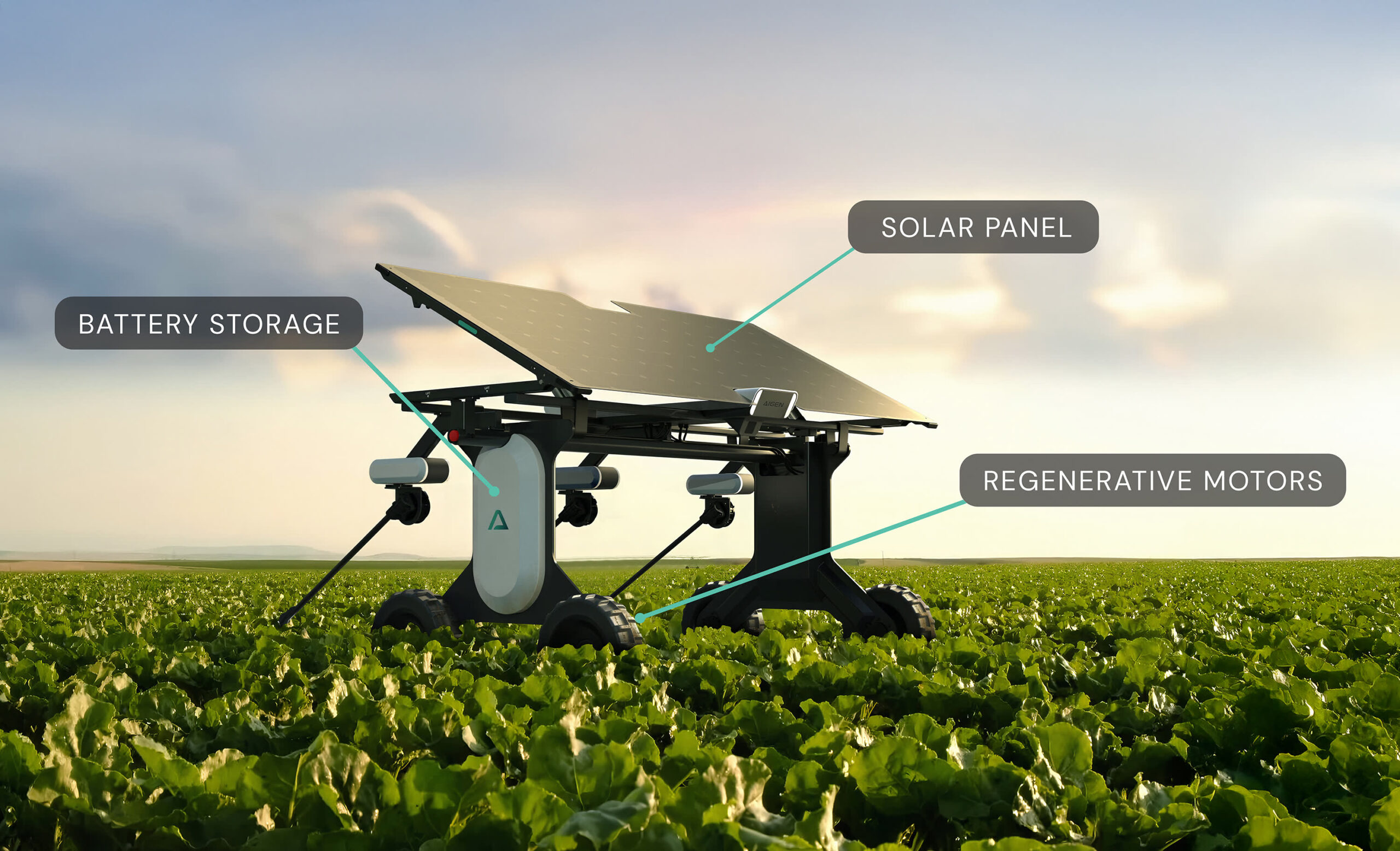
An experimental farm in Araçatuba has started using solar-powered robots in the fields.
The machines identify weeds and apply pesticides only where necessary.
The use of technology has reduced pesticide waste by 90%, according to the data presented in the report.
According to sustainability expert Patrícia Dias, the technique prevents losses and reduces fuel consumption.
The robots rely on sunlight, which decreases the need for tractors at certain stages of production.
Technology changes routine and requires training
The arrival of Agro 5.0 also creates a new requirement within rural properties.
Field workers need to undergo training to operate apps, digital systems, and autonomous machines.
Technology increases efficiency but also requires more prepared professionals.
Human knowledge remains essential to interpret data, monitor equipment, and make quick decisions.
The future of São Paulo’s countryside
The progress recorded in Guararapes and Araçatuba indicates a new phase for São Paulo’s agribusiness.
Apps, solar robots, and real-time monitoring make production more efficient and sustainable.
Worker training becomes a central part of this transformation.
Agro 5.0 does not just represent the arrival of modern machines to the field.
It reveals a profound change in the way of producing, saving resources, and preparing professionals for an increasingly technological agriculture.
Do you believe that Agro 5.0 will make the field more productive and sustainable or could it increase the gap between small and large producers? Leave your opinion!