





 Portuguese
  English
  Spanish
  2 min of reading


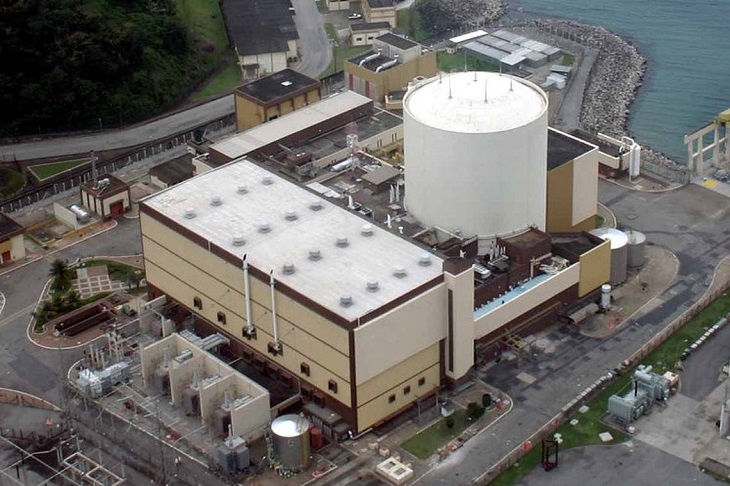
Eletronuclear’s Request Must Go Through CNEN Approval, Which Will Analyze Whether to Extend Angra 1’s Lifespan Set to End in 2024
The National Nuclear Energy Commission (CNEN) received from Eletronuclear, last Thursday (07/11), a formal request for the extension of Angra 1’s lifespan from 40 to 60 years. See also, Angra 1 and 2 have a spent fuel deposit released by Ibama!
The president of Eletronuclear, Leonam Guimarães, was at CNEN’s headquarters in Rio de Janeiro and delivered the documentation with the request to CNEN.
Guimarães spoke about the importance of Angra 1 for the national system, “Considering that the lifespan licensed by CNEN for Angra 1 of 40 years ends in 2024, Eletronuclear presents its request for a 20-year extension 5 years in advance based on programs that imply investments in the plant amounting to R$ 1 billion. This investment represents an extremely low cost for the ‘new’ 640 MW starting in 2025,” he said.
-
Climate records from trees, corals, sediments, and caves show that the current warming is the only one in the last 2,000 years to affect the entire planet at the same time and advance faster than any natural change ever recorded, something that did not occur even during the Medieval Warm Period.

-
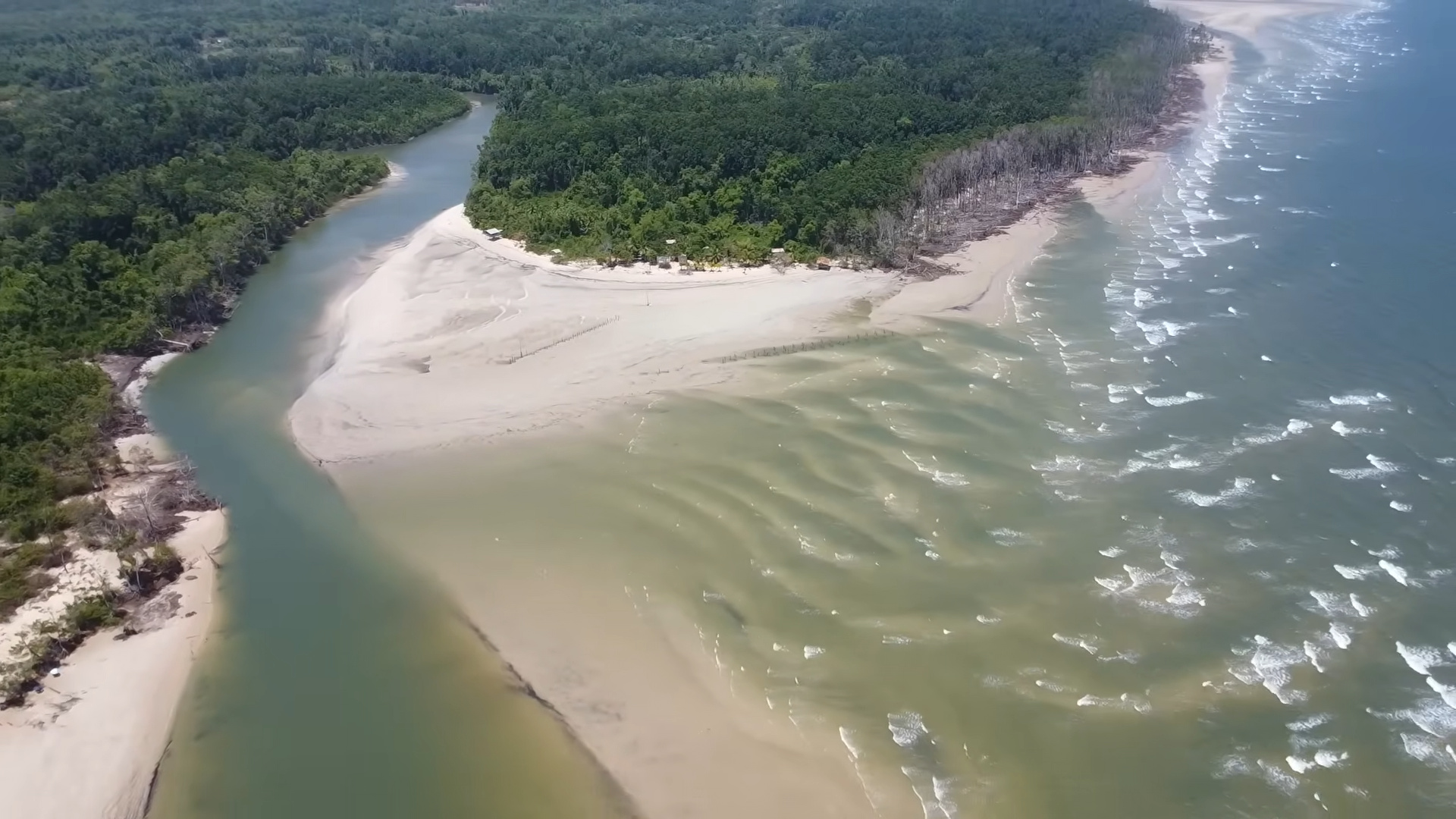
Surrounded by the Atlantic and the Amazon estuary, Marajó Island is losing land to the sea at a rate recorded by satellite, while saltwater is already invading the wells that supply riverside communities, and the process is advancing without any national adaptation plan addressing the most vulnerable inhabited archipelago in Brazil.

-
South of Mato Grosso do Sul, southern São Paulo, Sul de Minas, and the Mantiqueira Mountains enter the most critical cold zone, with above-normal heat before the polar air mass, a sharp drop in temperatures during the early mornings, and an increasing risk for crops, vegetables, coffee, and low-lying areas.
-
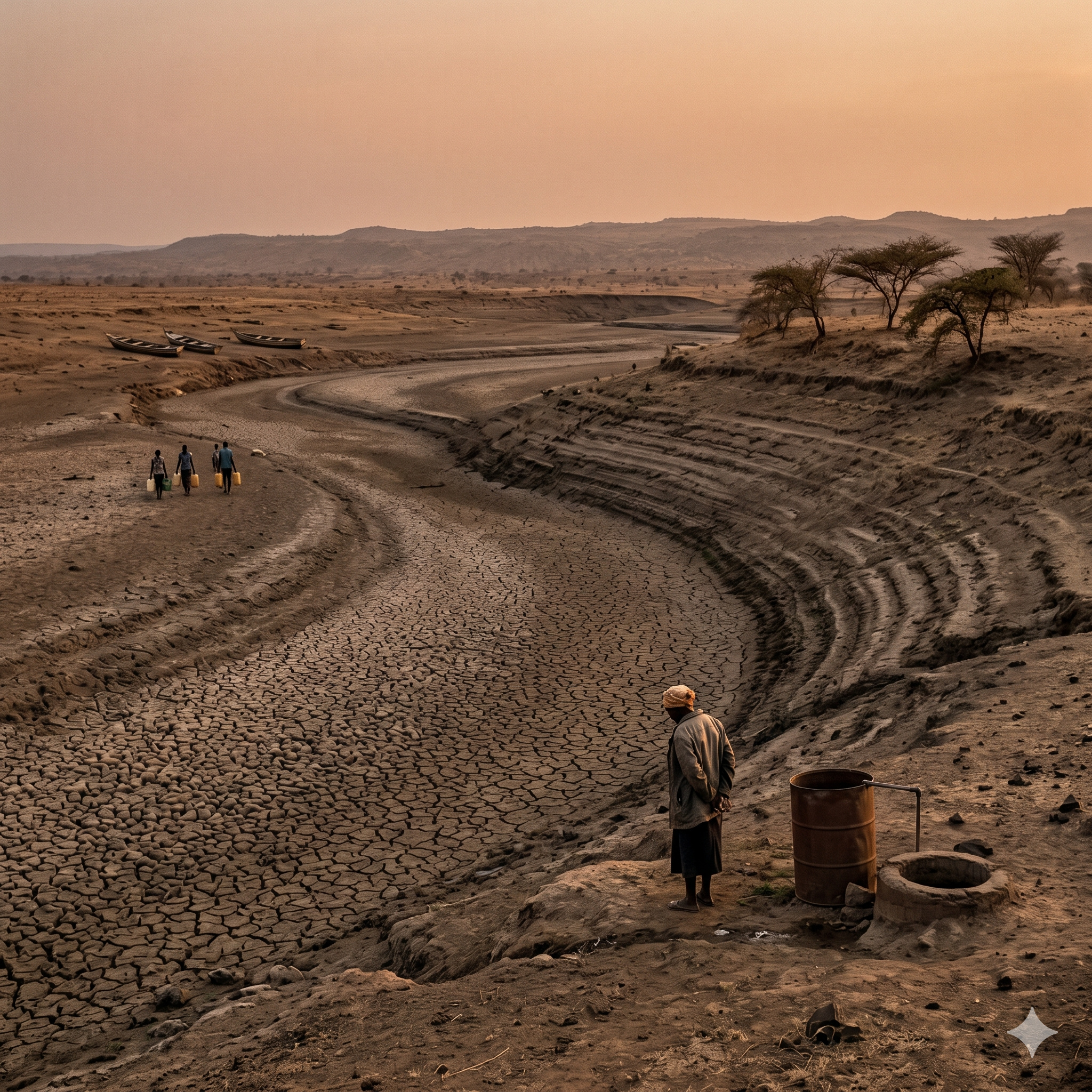
The planet registered 420 water conflicts in 2024, the highest number ever documented, and the dispute over rivers like the Nile, Colorado, Tigris, Euphrates, Indus, and Mekong exposes a race for dams that downstream countries already see as a threat of hydrological war.




CNEN’s Role
CNEN will analyze the evaluation process of the extension request, and according to CNEN’s Chief of Staff, Cássia Helena Lima, there will be an effort to ensure that everything is analyzed within the timeframe and the technical safety and radioprotection procedures.
Among the processes that will be analyzed by CNEN is the Aging Management Program (PGE), which has already begun to be studied for implementation in the Systems, Structures, and Components of the Angra 2 Plant.
Angra 1 has been in operation since 1985 and will complete 40 years, when its license expires, in 2024, and since Brazil adopts the American standard, it must request the extension of its lifespan 5 years in advance.
It is worth mentioning that the Angra 1 project is based on the American Westinghouse, and in the U.S. this lifespan extension process has already been carried out in more than 70 nuclear plants.
Requests in the U.S. are currently for 60 years, but there are already studies in the country for extending the operation of nuclear plants to up to 80 years.






Be the first to react!