Portuguese
  Spanish


The Rio Grande Plan reached the R$ 14 billion mark in investment to recover cities and prevent disasters. See how the resource is being applied in Rio Grande do Sul.
Rio Grande do Sul has consolidated an investment of R$ 14 billion aimed at the complete restructuring of its infrastructure and security systems, two years after the devastating scenario caused by the floods of May 2024.
The amount is part of the Rio Grande Plan, a robust public policy that already serves hundreds of municipalities in Rio Grande do Sul. The initiative’s objective is to go beyond emergency repairs, establishing a state strategy focused on resilience and climate prevention.
With resources from the state treasury and financial leeway generated by the suspension of the debt with the Federal Government, the government has transformed the reality of the affected areas, modernizing the Civil Defense and reinforcing community protection.
-
Major Appliance Manufacturer Closes Factory in Argentina, Shifts Production to Brazil, and Restructures in Latin America with Mexico Closure, Investing Up to $165 Million

-
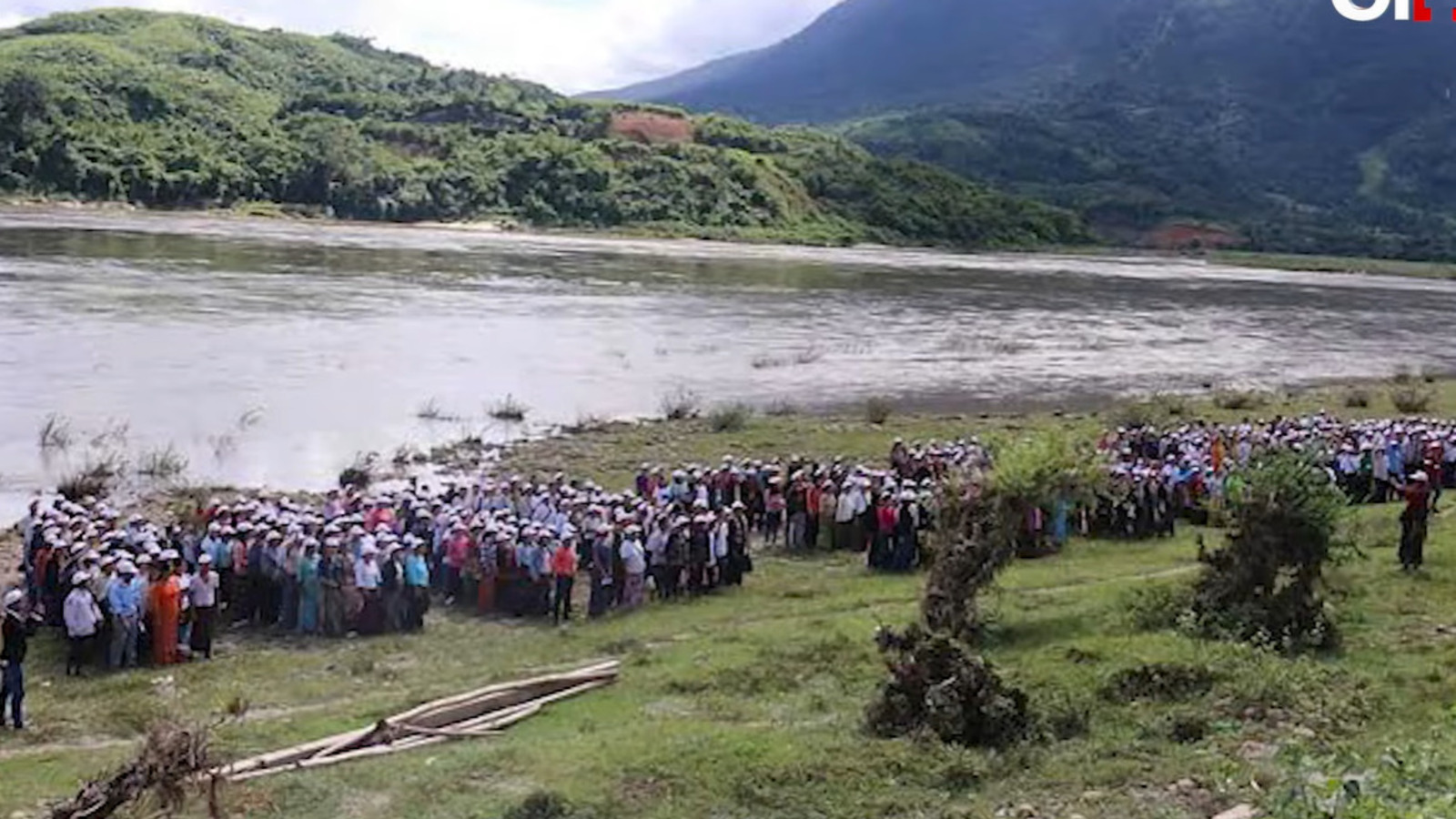
China to Revive $3.6 Billion Mega-Dam Project in Myanmar, Stalled Since 2011, Promising 6 GW Capacity and Completion in Eight Years

-
Foreign Company Wins Auction for Brazil’s First Immersed Tunnel, a $1.3 Billion Project with $14 Million Contract Under Federal Investigation

-
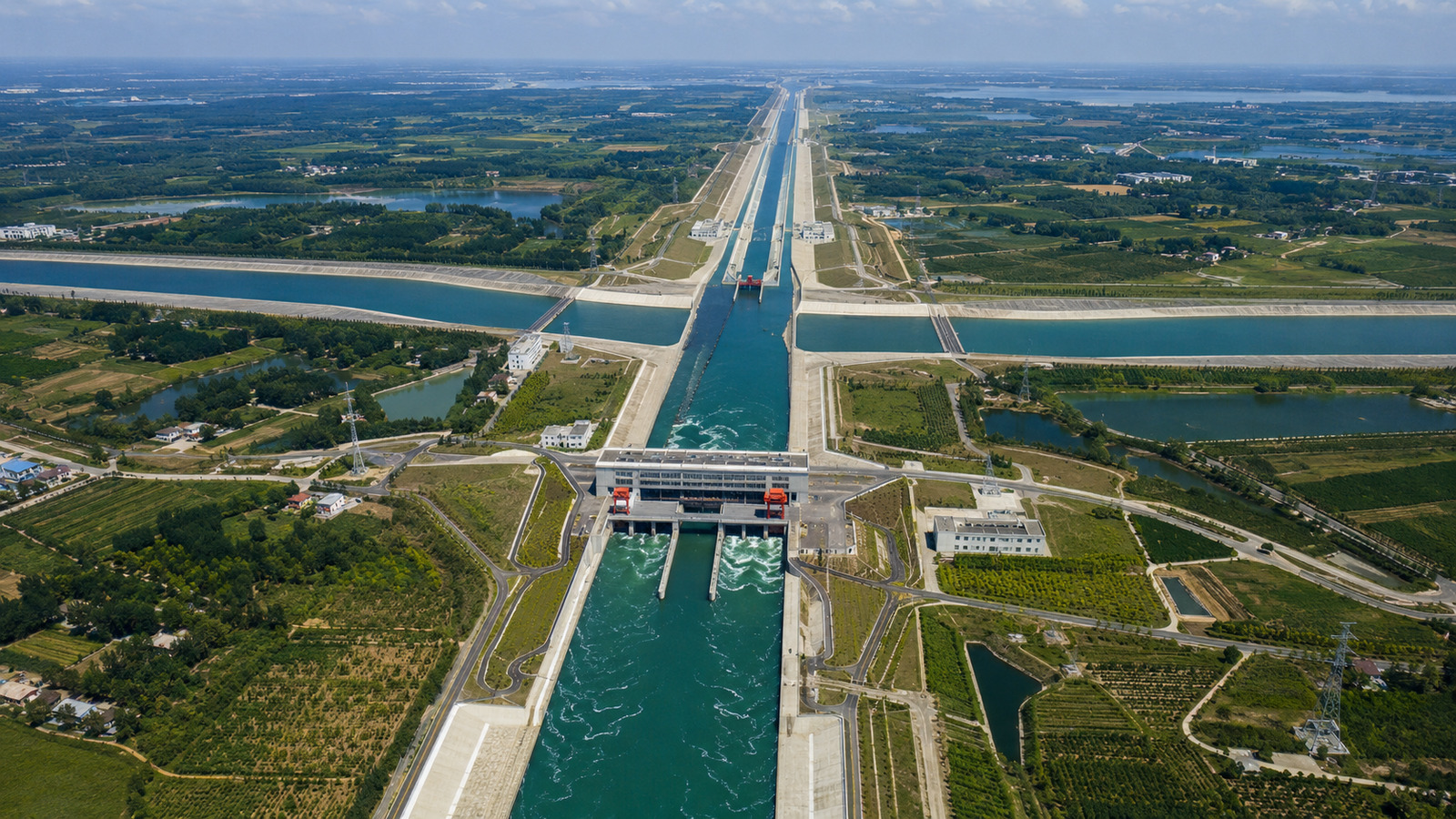
China’s Century Megaproject Wows the World: Massive Water Transfer Network Moves Water from Wet South to Arid North, with Ambitious Plans in the Tibetan Plateau Involving Giant Tunnels at Altitudes up to 4,000 Meters


Allocation of Resources and Goals of the Rio Grande Plan
The total budget foreseen for this reconstruction strategy is R$ 14.5 billion, of which R$ 13.9 billion has already been allocated to specific projects. The management of the funds is carried out by the Rio Grande Plan Fund, which ensures that payments follow the progress of the works.
To date, more than R$ 4.4 billion has already been paid for completed services, while another R$ 8.1 billion is in the commitment phase to ensure the continuity of the 227 active work fronts in the state.
The actions are not limited to heavy infrastructure, also covering social development and environmental diagnosis. According to the government, the focus is to prepare the state to face the new climate reality with agility and intelligence.
Therefore, each project undergoes a resilience assessment, ensuring that schools, hospitals, and roads are recovered with higher safety standards to withstand future adverse events.
Completed Works and Areas of Action in Rio Grande do Sul
The impact of Rio Grande do Sul’s investment can be observed on several fronts that ensure the return to normality and the protection of citizens.
Among the practical interventions, logistical recovery and hydrological control measures stand out, which are fundamental for mobility and the prevention of new floods.
The list of actions carried out in the last two years includes:
- Infrastructure: Reforms in state highways, reconstruction of bridges, and repairs to hospital and school buildings.
- Housing: Delivery of definitive housing units, temporary housing, and support in shelters.
- River Management: Dredging of waterways, bathymetry, and desilting of riverbeds to facilitate water drainage.
- Technology: Acquisition of new meteorological radars, hydrometeorological stations, and SMS alert systems.
- Security and Rescue: Increase in Civil Defense personnel and purchase of modern equipment for security forces.
Climate Preparation as a State Strategy
Governor Eduardo Leite reinforced that the package of measures transformed the way public authorities deal with environmental crises. Commenting on the results obtained until April 2026, Leite highlighted the solidity of the planning:
“Rio Grande do Sul is much more prepared to face adverse climatic events. This is a fact. From the very first moments, even before the waters receded, we put the Rio Grande Plan into practice with a large set of measures to make Rio Grande do Sul more resilient. Our State had never had a structured plan with this purpose, and neither had Brazil. Now, yes, we have a State program, not just a government’s, to face climate change in the present and in the future.”
The head of the Gaúcho Executive also emphasized that the applied values represent a historic advance for the country.
“We have already approved more than R$ 13.9 billion in reconstruction projects and actions. More than R$ 4 billion has already been paid, meaning these are initiatives already completed to improve people’s lives and leave our State more prepared. This is much more than a number: it is a historic investment milestone,” stated the governor.
The viability of the Rio Grande do Sul investment was boosted by the negotiation that suspended the payment of the state’s debt installments to the Federal Government for 36 months.
This pause allowed the capital that would have been allocated to interest and amortization to be fully redirected to the Rio Grande Plan Fund.
With all 497 municipalities now operating under new contingency plans, the state seeks to consolidate a governance model that serves as a reference for Brazil.
The integration between technical diagnosis, economic recovery, and Civil Defense preparation ensures that Rio Grande do Sul not only overcomes the 2024 tragedy but emerges from it with an infrastructure capable of withstanding the climatic challenges of the present and the future.
With information from AgroLink