Portuguese
  Spanish


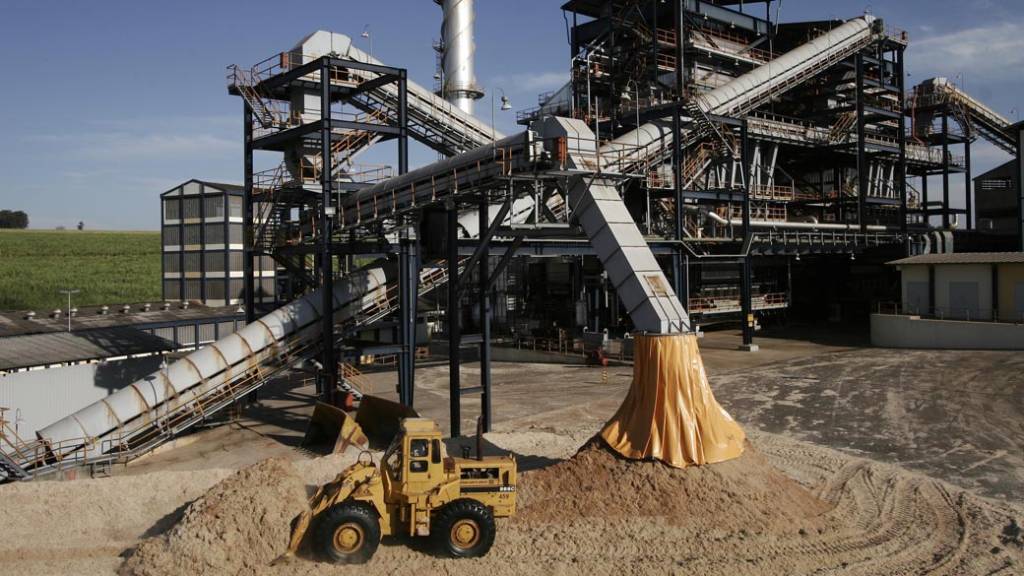

The Biomass Plant Will Be Built in Uruguaiana, Rio Grande do Sul. The Expectation Is That New Jobs Will Be Created with the Enterprise
On the last Tuesday (09/14), the City Council of Uruguaiana approved the bill authored by the Executive that deals with the concession of an area of 7.85 hectares for the installation of a Biomass Plant in the municipality located in Rio Grande do Sul. The project will receive an investment of R$ 50 million and can generate 300 new jobs directly and indirectly. Read also: Aneel approved on Tuesday the construction of eight wind power plants, two biomass plants, and five hydroelectric plants
- Brazilian Engineers Are Developing a Unique Wind Energy Generator That Promises to Be Cheaper, More Compact and Have More Autonomy
- WEG and Senai Institute Transform Combustion Car into Electric Vehicle and Advance Brazilian Electric Mobility
- New Fuel: Scientists Aim to Transform Sewage Gas into Hydrogen for Use in Vehicles
- Multinational Amazon Announces New Distribution Center in RJ with Expectations to Generate Over 1,200 Jobs
- Pirelli Calls for Candidates Without Experience from Technical and Higher Education for Positions in Its Factories in SP and BA, in the 2022 Internship Program
Details About the Biomass Project in Rio Grande do Sul
According to the company that will install the biomass plant, the project estimates a monthly production of 8 MW of energy – enough to supply a city with 100,000 inhabitants. The initiative aims to generate about 100 direct and indirect jobs. Of the R$ 50 million allocated for the installation, about R$ 3 million will remain with the municipality. The plant’s installation will contribute to an increase in the ICMS return rate.
Any expenses (water, electricity, among others) of the new biomass plant will be covered by the installed company. The process of installing the company in Uruguaiana is expected to take between 18 and 24 months. “The initiative combines development and sustainability. The installation of a plant producing clean and renewable energy prepares Uruguaiana well for the future. Furthermore, job creation is another fundamental factor for the development and economic area of the municipality,” emphasized Mayor Ronnie Mello.
-
A city with 8,000 inhabitants will receive R$ 25 billion to host the largest single-stage pulp mill in the world, with a production of 3.5 million tons per year and a cost of R$ 45 million.

-
He left India for Oman in 1976, entered through the door of luxury finishes, and took Sobha to the premium real estate market in the Middle East.

-
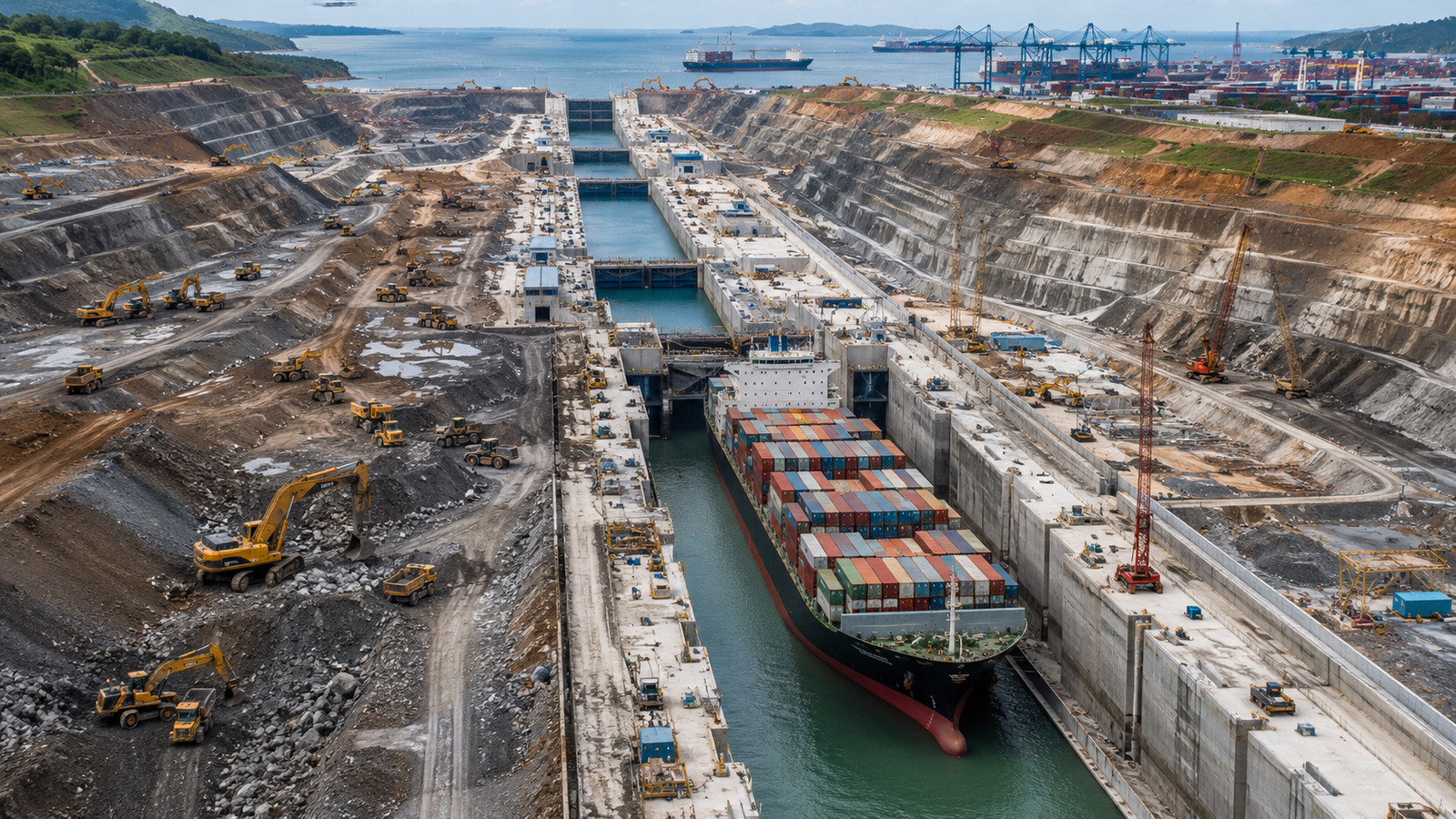
China wants to impress the world once again with a mega canal featuring giant locks, deep waters, and space for the largest ships, in a project aimed at shortening journeys, reducing queues, and rivaling the Panama Canal in global trade.

-
Brazil saved US$ 32.4 billion in 2025 by switching from fossil to renewable energy and only ranked behind China and the United States on the IRENA global podium.



Read also: The Largest Biomass Plant in the Country, with a Capacity of 432 Million MW per Year, Is in Mato Grosso do Sul
Recently, the company Eldorado Brasil inaugurated the Onça Pintada Plant, a project that involved investments of around R$ 400 million, made with the company’s own resources, with a capacity to generate 432 million MW annually. The plant is located in the city of Três Lagoas, in the state of Mato Grosso do Sul.
The plant operates within the Eldorado Brasil pulp mill complex in Três Lagoas, a city located 338 kilometers from the Capital of Mato Grosso do Sul. The raw material used in energy production comes from the biomass of trees harvested for pulp production at the mill. Since the second half of March, Eldorado Brasil has been conducting tests for project certification and licensing for the start of operations, under the supervision of environmental authorities and the electricity sector.
The biomass plant tests were completed in April, confirming the proper functioning of the turbine, boiler, and other equipment involved in the operation. The project received the Operating License, issued by Imasul (Institute of the Environment of Mato Grosso do Sul), valid for four years. The document certifies compliance with current environmental legislation, which includes monitoring of air emissions, as well as solid waste and noise.