Portuguese
  Spanish


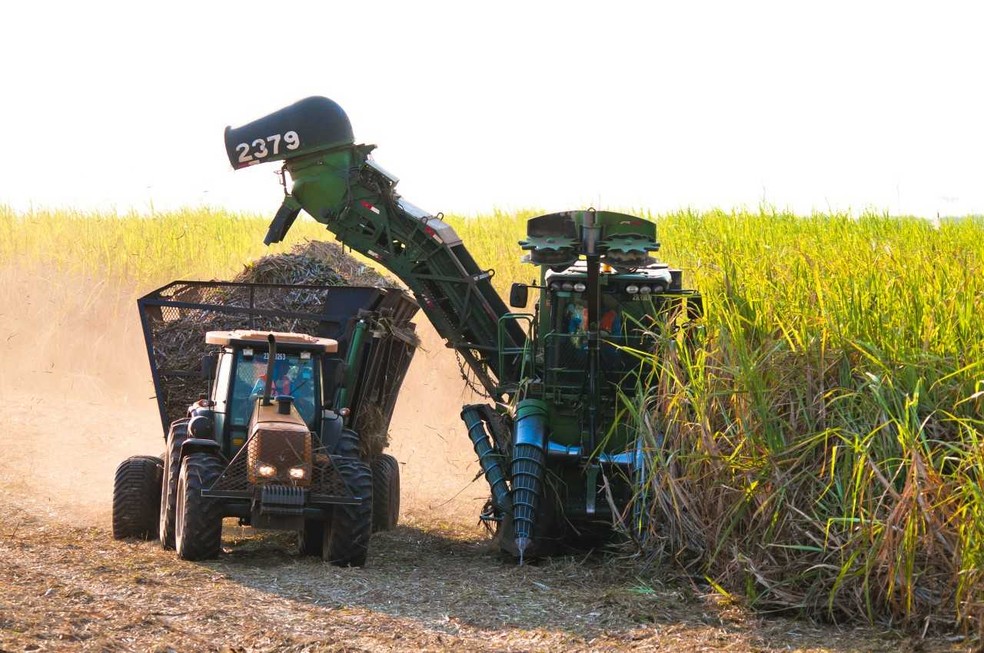

The Sugar Mills in the Southeast Region of Brazil That Account for 70% of National Production Should Prioritize Sugar Production Like in 2020
In this year of 2021, the sugar mills will prioritize sugar production and not ethanol. The main producers in Brazil located in the Southeast region, which account for 70% of the national production, have the following factor for prioritizing production: the price of sweetener in the domestic market and the recovery of values in the foreign market.
See Also Other News of the Day:
- Ministry of Economy Fears Truck Drivers’ Strike and Evaluates PIS/Cofins Cut on Diesel Oil
- Registration for Internship Positions in Rio, São Paulo, and Espírito Santo at Log-In Logistics Until January 31 for Postgraduate Candidates
- Bom Futuro, from Agribusiness, Opens Job Vacancies for Elementary, High School, and Higher Education
- Plant in the State of Paraná Will Invest R$ 100 Million in Modernization
The Value of the “Mix”:
Unlike the mills that produce corn ethanol, sugarcane mills can determine whether they will produce more sugar or ethanol. Therefore, a broader term mix for one or the other product.
For example: Unica – Monitoring the Current Crop in the Southeast Region pointed out that when the 2020/21 crop was officially harvested in the southeast at the end of March, the sugar blend ratio was 46.22% and the proportion of biofuels was 53.78%, while in the previous cycle, the ratio was 34.48% and the sweetener content was 65.52%.
-
Northern Brazilian ports surpass the South as the country’s largest grain corridor amid record harvest

-
Amazon launches its own brand in Brazil a week before Prime Day, following a $3.7 billion investment and the establishment of over 300 distribution centers nationwide by 2025.

-
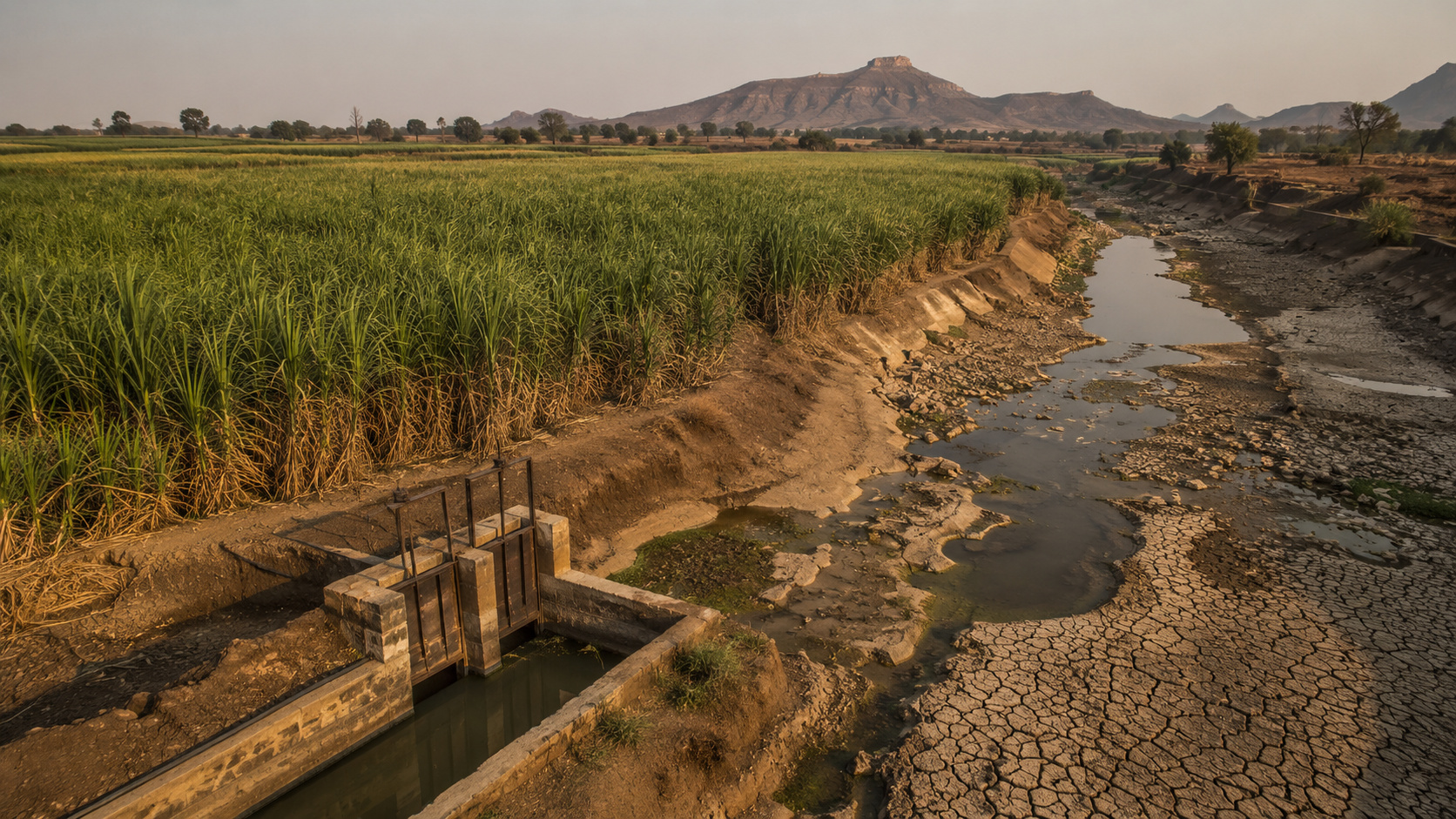
Sugarcane Cultivation in India: A Symbol of Water Stress and Environmental Strain Amidst Global Demand for Sugar and Green Fuel

-
Trump’s 50% Tariff on Brazilian Goods Cuts U.S. Exports by 30%, Brazil Sets Records in 42 Countries and Germany Becomes Top Coffee Buyer



Sugar Production for Exports:
According to Cepea – Center for Studies in Applied Economics, the sweetener will be the main product of the Southeast region due to the fact that “a large part of the exports [of sweetener] is already fixed for the next harvest, which compromises flexibility to reverse the mix.”
A professional consultancy estimates that 69% of all the sugar expected to be sold abroad in the 201/22 harvest has been correctly fixed, meaning that the future price is determined to reduce the risk of loss due to price changes.
Signs are again pointing to mix harvests with higher sugar content, but it is not guaranteed that the mills in the Southeast region will produce more.