






 Portuguese
  Spanish


Brazil is harvesting the largest grain crop in its history, close to 358 million tons, a record that should only be a cause for celebration, but it hits an embarrassing problem: the country hasn’t built enough silos to store all this, and there’s a gap of over 130 million tons with nowhere to be stored.
It’s the kind of paradox that hurts. The Brazilian agribusiness is experiencing its best production moment, with the National Supply Company projecting a grain crop of around 358 million tons in the 2025/26 cycle, a new absolute record, driven by soybeans and corn in a planted area that exceeds eighty million hectares. On paper, it’s a money and food-making machine for the world. In practice, part of this wealth goes down the drain of a silly bottleneck.
The knot is called storage. The capacity to store grain in Brazil has grown much less than production, resulting in a deficit that already exceeds 130 million tons, the difference between what is harvested and what fits in silos and warehouses. In other words: there is more grain than places to put it, and this turns into losses in several ways at once.
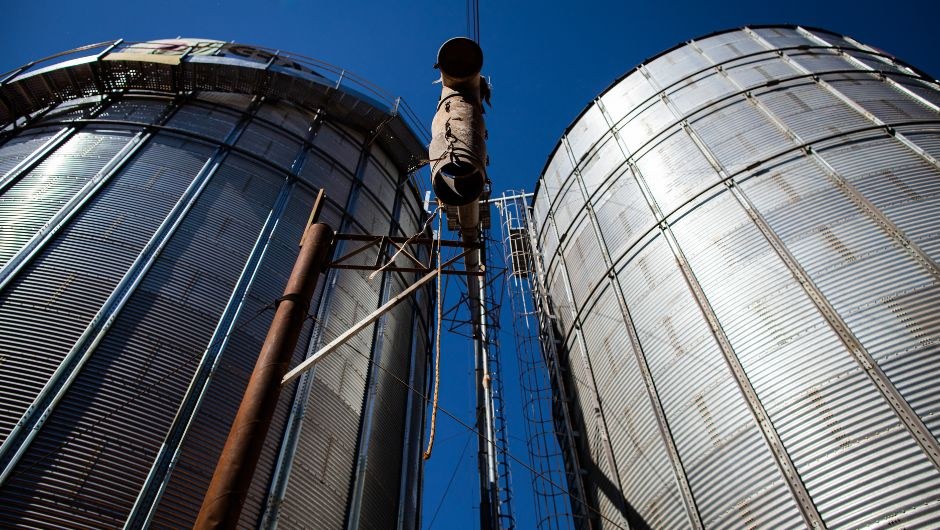
What happens when there are no silos
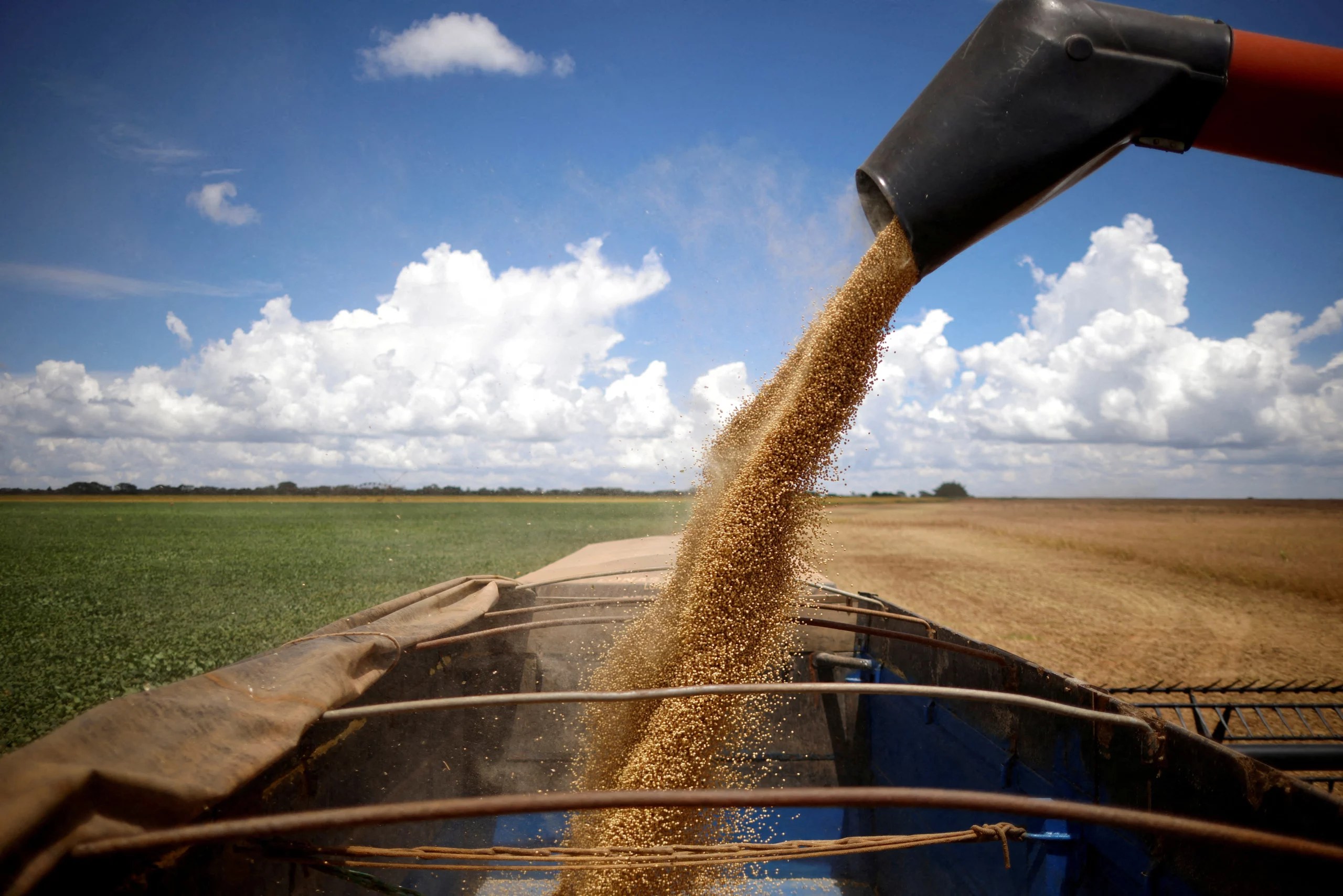
When there’s nowhere to store, the grain doesn’t wait. It becomes a truck queue stopped on the road and at the port entrance, piled up in the open under tarps, exposed to rain, pests, and loss, or is sold in a hurry at the worst time, right at harvest, when everyone sells at the same time and the price plummets. The producer who could hold onto the sack to sell when the market pays better simply doesn’t have this luxury because there’s nowhere to stock it.
-
A New Bakery Opens Every Six Minutes in Brazil, Highlighting a Surge of 26,400 Small Businesses in Early 2025

-
Brazil’s Lula Government Allocates $463 Million Quota for Electric Car Parts, Waives Import Tax Until December, Sparking Competition Among BYD, Automakers, and Unions as Consumers Question Impact on Prices and Local Industry
-
Clarification and Right of Reply Notice

-
Elon Musk Becomes World’s First Trillionaire with $1.1 Trillion Fortune; Could This End Global Hunger?



This forced rush is costly. Industry estimates point to losses of millions of tons per year just from grain spoiled due to lack of adequate infrastructure, not to mention the money the producer leaves on the table by selling at a low. It’s like catching the biggest fish of your life and not having a fridge to store it: part of the effort rots before turning into profit. We break records in the field and lose in logistics.
Why Brazil fell behind
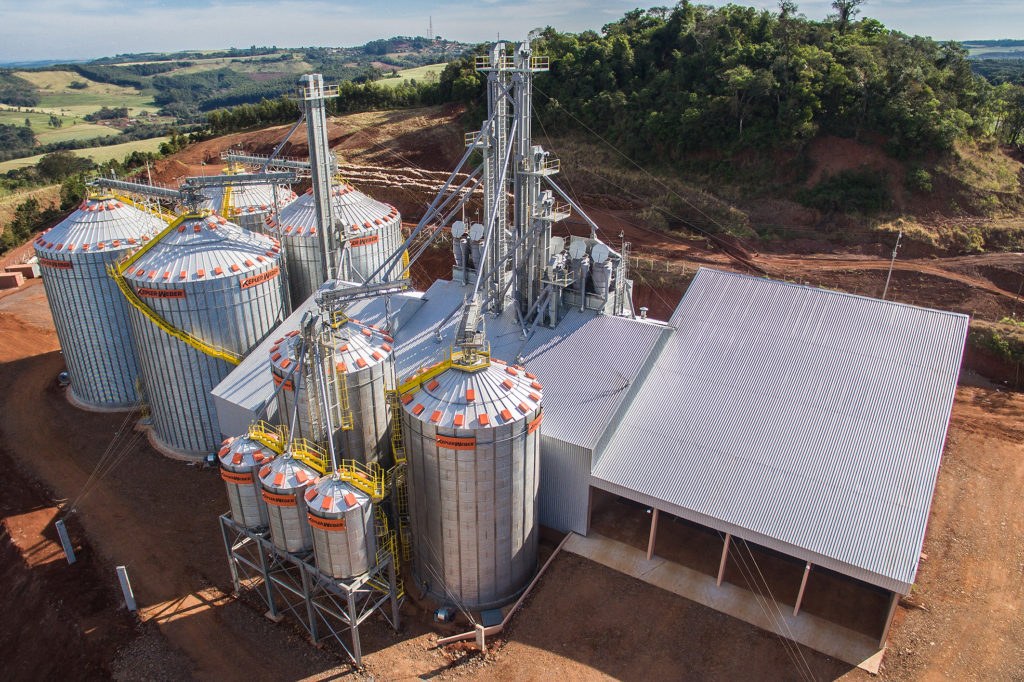
The root of the problem is structural. In countries like the United States, most of the grain is stored on the farm itself, in producer silos, who thus control when to sell. In Brazil, the historical logic was different: storage concentrated in a few points, dependence on cooperatives and trading companies, and little incentive for farmers to invest in their own silos. While production skyrocketed in the last two decades, warehouse construction moved too slowly to keep up.
Add to this the geography. Much of the production is in the Midwest, far from ports, and the lack of silos adds to the lack of railways, forming a perfect logistical storm. The grain needs to travel thousands of kilometers, almost always by truck, to reach the sea, and without warehouses along the way, it accumulates in bottlenecks. I wonder how much the country loses every year because of this poorly calculated account back then.
To understand the scale of the waste, it helps to compare with the technical ideal. The international recommendation is that a country should have the capacity to store at least 20% more than it produces, a safety margin to regulate the market and get through peak harvests. Brazil operates in the opposite direction, with capacity below its own harvest, which means that each record crop starts already in the red for storage, chasing losses from the first grain harvested.
This deficit also takes away a powerful weapon from the producer: the power to wait. Those who have their own silo store the sack and sell when the price rises, weeks or months after the harvest; those who don’t are forced to dispatch everything at once, at a time when the excess supply lowers the value. It’s the difference between selling on your time and selling on the buyer’s time, and this difference, multiplied by millions of tons, becomes a billion-dollar transfer of income outside the farm gate.
The race to fill the gap
The good news is that the problem has finally entered the agenda. There are specific credit lines for producers to build on-farm silos, programs to expand storage, and growing investor interest in terminals and warehouses, precisely because the bottleneck has become a business opportunity. Each new silo is one less piece of the harvest lost and a bit more bargaining power in the hands of those who plant.
Solving this is strategic for the entire country, not just for the farmer. Agribusiness accounts for a huge share of Brazilian exports and helps sustain the trade balance, and each ton lost due to lack of silos is income that evaporates before reaching the market. Turning a production record into a revenue record necessarily involves having a safe place to store the harvest that the field delivers.
The message of the record harvest is, deep down, a warning. Producing, Brazil has already learned, and does it better than almost everyone. The challenge now is to stop wasting part of this abundance due to lack of structure, transforming the agricultural giant also into a logistics giant. Without this, every record comes with an embedded asterisk of loss.
Does it make sense for Brazil to break a harvest record without having a place to store a third of the crop?


