Portuguese
  Spanish



Brazil Shines In The Global Scenario By Surpassing 64% Of Renewable Energy Use In The Industry. Sources Such As Solar, Wind, And Biomass Lead Consumption And Reinforce The Country’s Position In The Transition To A Cleaner Energy Matrix.
Already internationally recognized for having one of the cleanest energy matrices in the world, Brazil has consolidated a new advance, as reported this Friday, 26. According to the National Energy Balance (BEN) 2025, the national industry consumed 64.4% of renewable energy last year, repeating the trend recorded in 2023, when the index was 64.7%. This performance reinforces the prominence of the productive sector in the transition process to more sustainable energy sources.
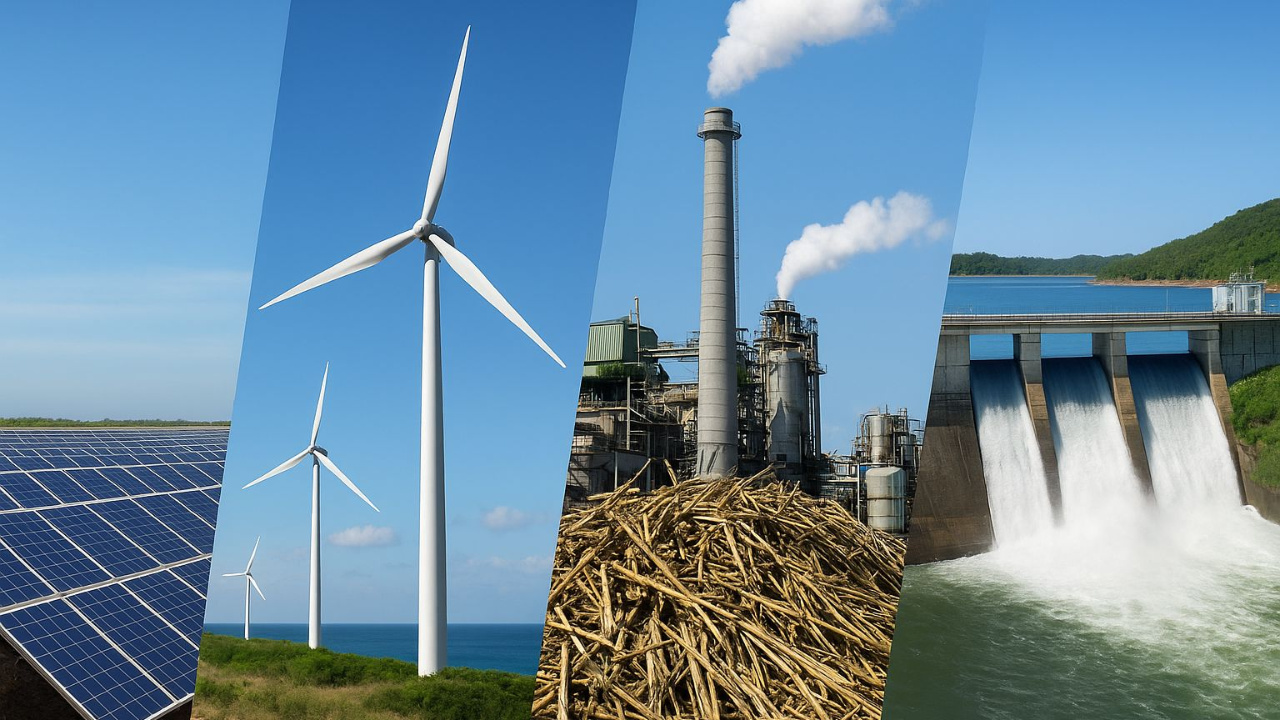
Solar, Wind, And Biomass Lead The Energy Matrix
The survey, conducted by the Energy Research Company (EPE) in partnership with the Ministry of Mines and Energy (MME), highlights that electricity represented 22% of all energy consumed by the Brazilian industry. Of the total, an impressive 88.2% came from renewable sources, primarily solar, wind, and hydropower.
In addition, biomass remained relevant, with emphasis on the sugarcane bagasse, responsible for 21.3% of consumption. Also highlighted were black liquor (9%), firewood (8.8%), and charcoal (4%). Among fossil sources, mineral coal (11.9%), natural gas (9.4%), and fuel oil (1.3%) remained in the balance, but in smaller proportions due to the strong presence of clean alternatives.
-
Brazilian scientists are simultaneously advancing two research projects on clean hydrogen and driving solutions that could transform the energy matrix, enhance industrial competitiveness, and accelerate large-scale emission reduction targets.

-
Advancement in renewable energy: A R$ 150 million project launched by Petrobras and Finep aims to create state-of-the-art electrolyzers for green hydrogen, strengthening national research and preparing Brazil to compete in a billion-dollar energy market.
-
Illiterate or semi-literate grandmothers were trained to repair solar systems, open rural workshops, and light up homes that still depended on kerosene.
-
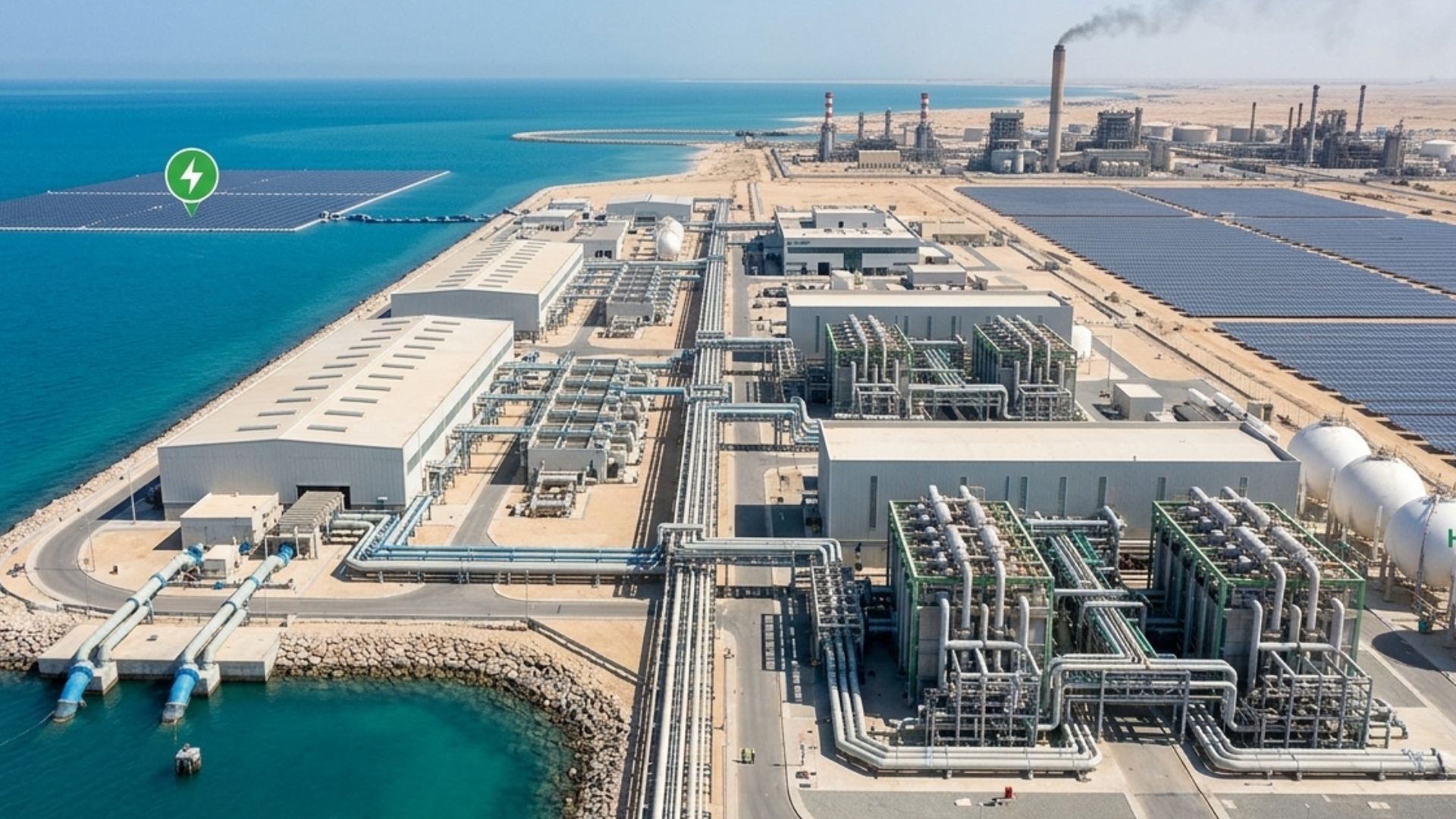
The world has bet on green hydrogen as the fuel of the future, but now faces the side effect: producing 1 kilogram requires about 9 liters of ultrapure water, and the largest projects on the planet are precisely in the driest regions of the Earth, where water is already scarce for people.




Growth In Consumption In Strategic Sectors
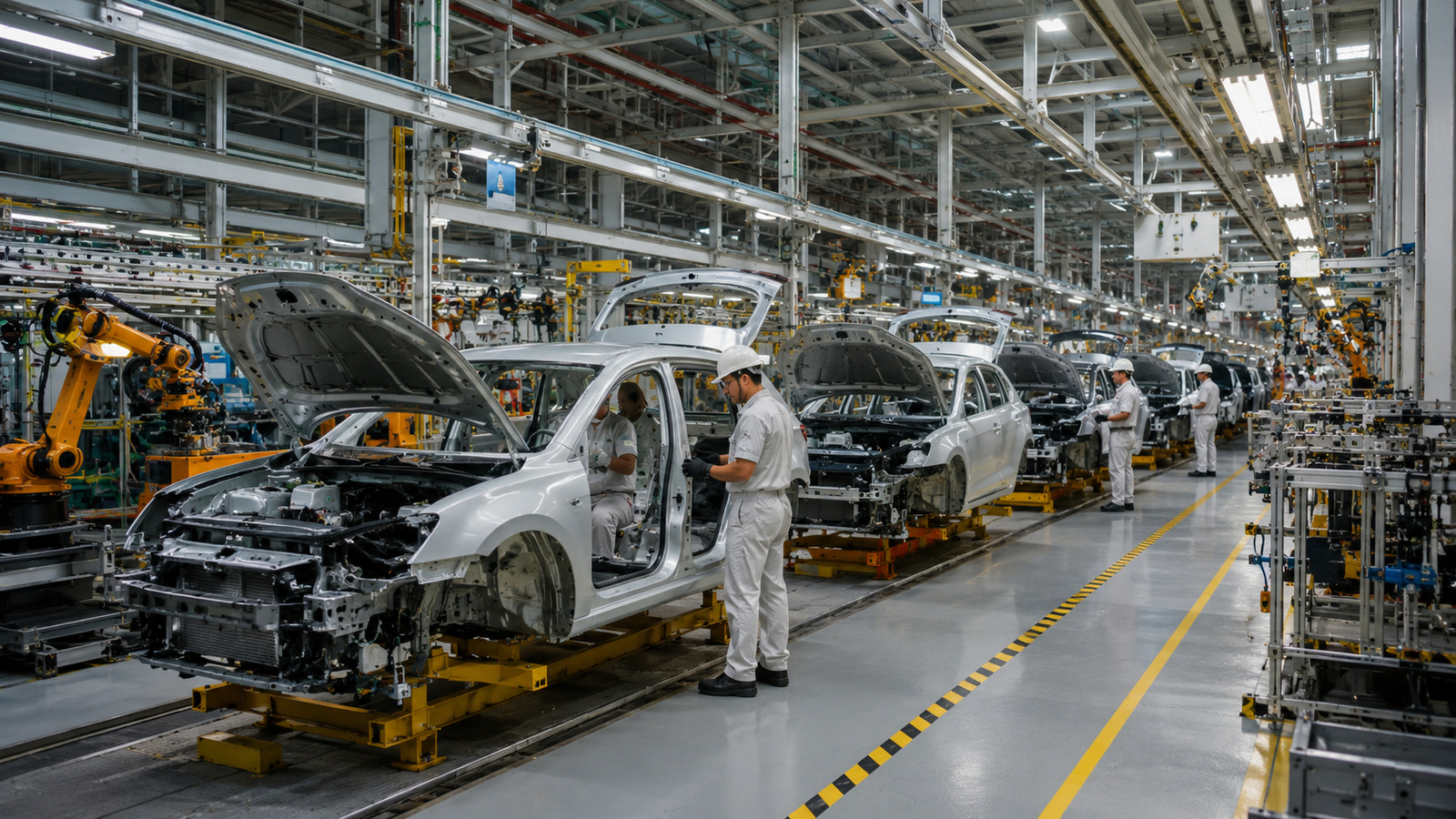
Some industrial segments recorded significant increases in energy demand in 2024. Mining and pelletizing led with a growth of 8.4%. Next were the pulp and paper industry, with a rise of 4.6%, and non-ferrous metals and other areas of metallurgy, with 3.2%.
This movement accompanies the national trend. Total energy consumption in Brazil reached 288.3 million tons of oil equivalent (toe) during the period, with the industry accounting for 91.4 million toe, equivalent to 31.7% of the total. When combined with the transportation sector, the two segments accounted for almost 65% of the energy used throughout the country.
Know The National Energy Balance (BEN)
Published annually, the BEN survey has become a reference for monitoring the evolution of the Brazilian energy matrix. The document gathers data on energy supply and consumption, from the extraction of primary resources to its conversion, import, export, distribution, and final use.
Created in 2004, the report became prepared by the EPE, linked to the MME, and is released every first semester, with consolidated information from the previous year. Thus, Brazil not only tracks its performance but also provides important indicators for investors and policymakers betting on the advancement of renewable energies as a driver of economic and sustainable growth.