






 Portuguese
  Spanish
 3 min of reading
  0 comments


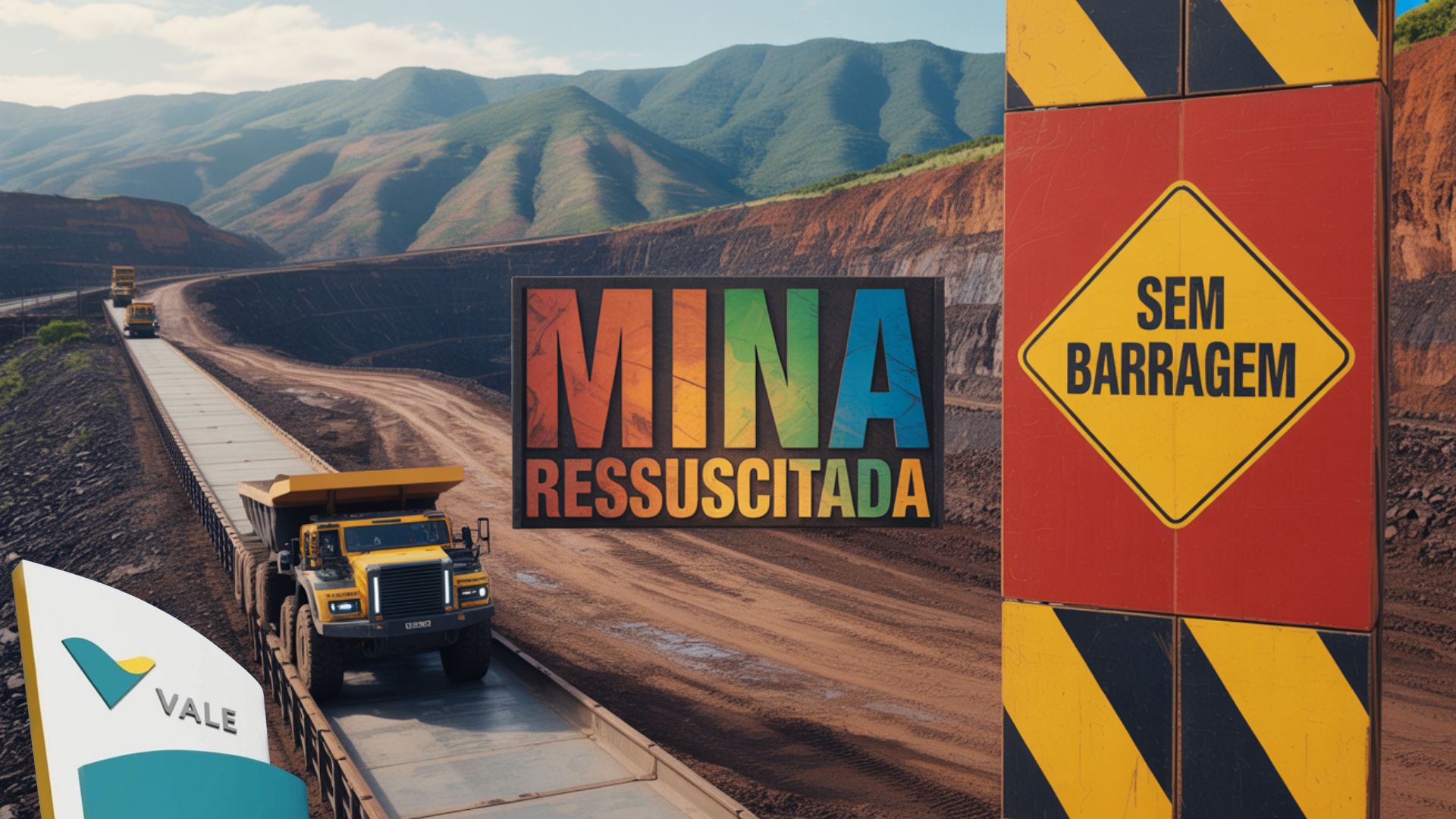
Capanema Mine Resumes Production After More Than Two Decades Halted, With Billion-Dollar Investments, Autonomous Transport Technology, and Focus on Reusing Waste in Operations Without Dams. Project Symbolizes New Phase of Mining in Minas Gerais.
The mining company Vale resumed operations at Capanema Mine in Ouro Preto (MG) on Wednesday (4) after more than two decades of inactivity.
The total investment of R$ 5.2 billion was allocated to modernizing the unit and integrating its logistics with other operations in the iron quadrilateral.
The information was disclosed according to Reuters, which covered the reopening ceremony.
-
China could reduce iron ore imports from 80% to 50% of consumption by 2030, while its share in global steel production falls from 52% to 46%, in a shift that could reshape the global market, says CMRG.

-
Brazil is sitting on one of the largest lithium reserves in the world, in the Jequitinhonha Valley, but national mining has almost become an appendage of China: 97% of the metal’s export goes to a single country, which also dominates refining.
-
Iron ore falls to 762 yuan in China as real estate sales decline and steel production hits lowest level since 2018
-
Brazil has minerals, clean energy, and a waiting market, but it could miss a billion-dollar opportunity if it doesn’t speed up the race for green minerals, while the steel industry seeks to reduce emissions.


Reactivation in Two Stages
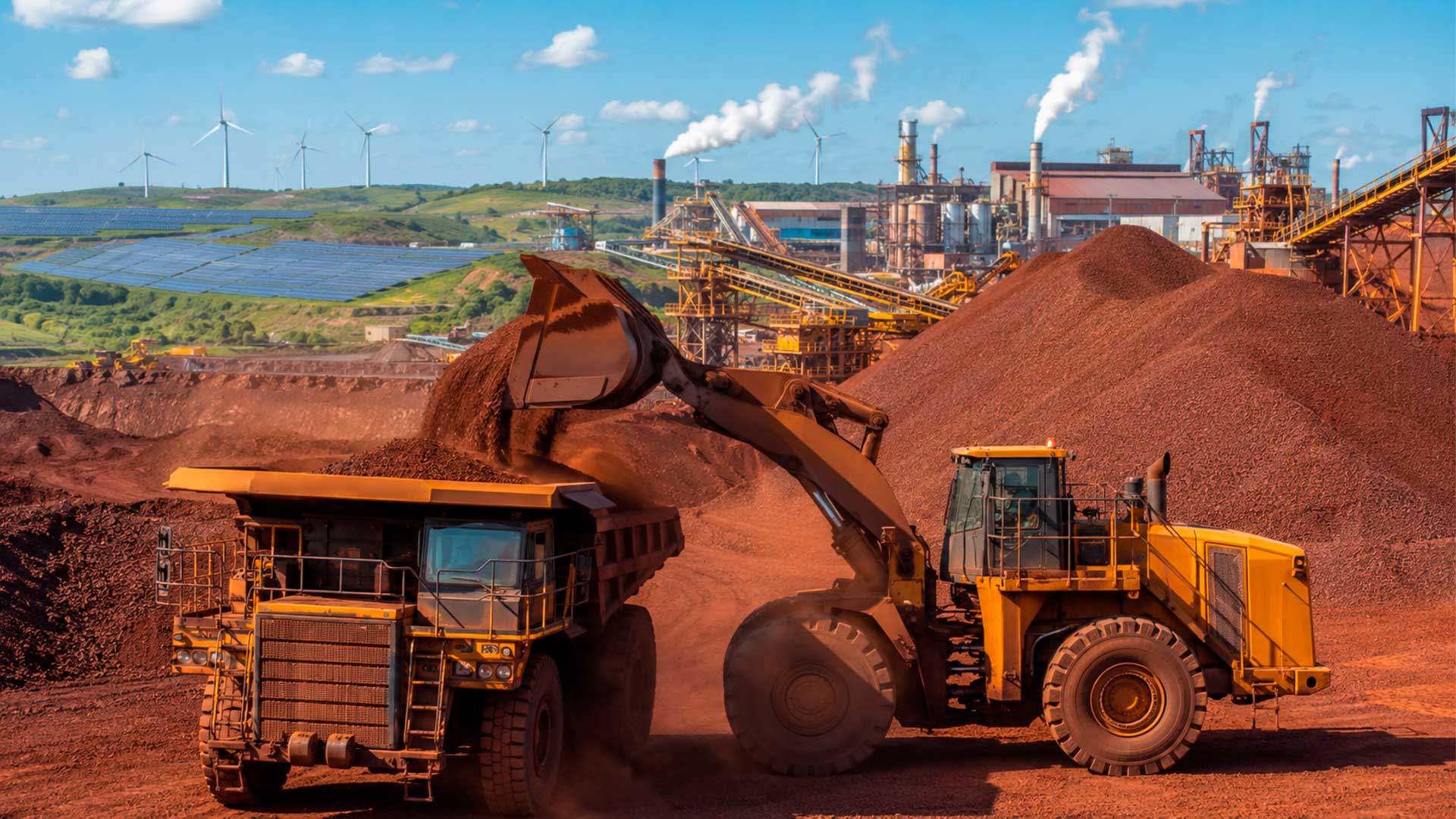
The resumption of activities will occur gradually. Initially, the focus is on reusing scrap piles accumulated from past production cycles.
This process is expected to extend for up to three years. Only after that will the direct mining of Capanema’s mineral body begin.
The initial goal is to recover about 15 million tons per year of waste, a practice aligned with the company’s circular mining policy.
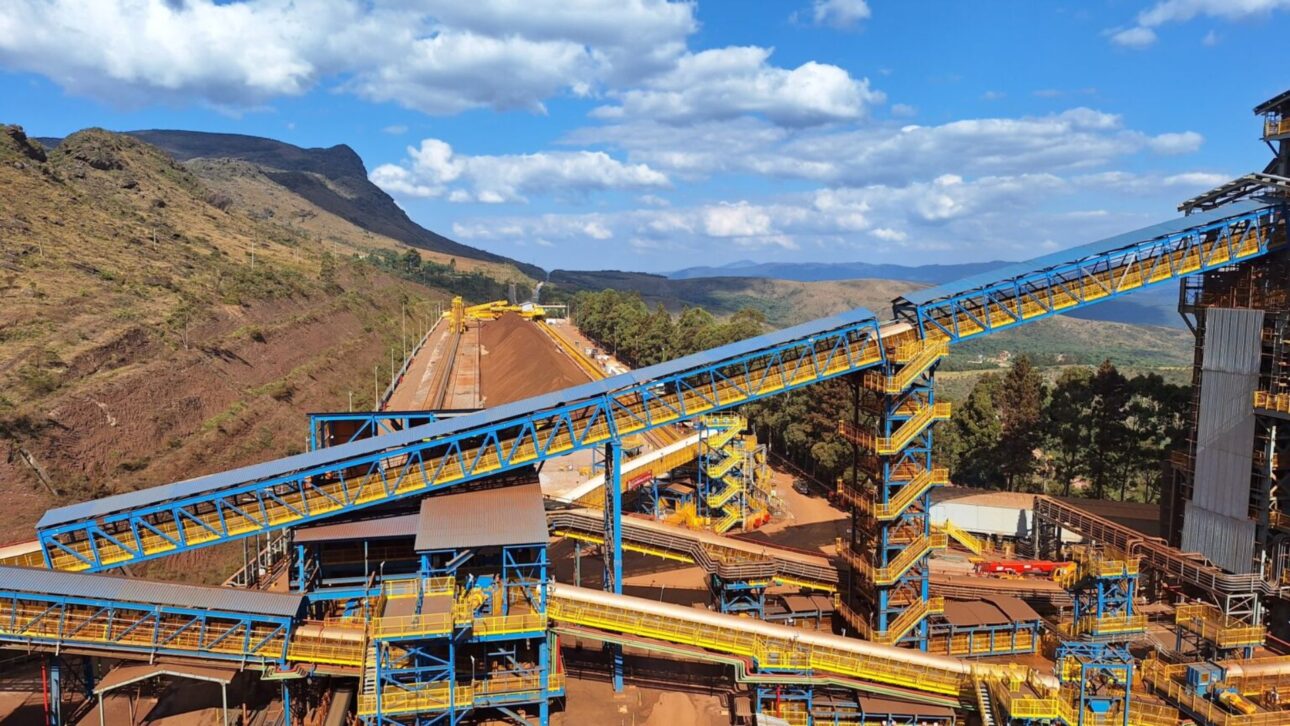
The reprocessed material is transported via a long-distance conveyor belt to the Timbopeba plant, where it is processed.
This solution reduces truck traffic and optimizes the flow via the Vitória-Minas Railway to the Port of Tubarão in Espírito Santo.
Operations Without Dams and with Automation
The reopening introduces a production model different from what was adopted in the past. All processing will be done dry, eliminating the need for waste dams.
Additionally, the mine will now utilize autonomous off-road trucks that transport the ore from the piles to the conveyor belt.
During the ceremony, Vale’s president, Gustavo Pimenta, stated that Capanema represents a paradigm shift following the collapses in Mariana (2015) and Brumadinho (2019).
“Compared to what was done 20 years ago, it is a more modern and, therefore, more efficient process,” he declared.
Investments and Safety Timeline
The return of Capanema is part of a program of R$ 67 billion in Minas Gerais by 2030, mainly focused on dry filtering and stacking.
The company aims to reduce the use of dams from 30% to 20% in its operations in the state.
Currently, there are 13 remaining upstream structures, of which eight are in the process of decharacterization. The goal is for all to be inactive by 2035.
The governor Romeu Zema, present at the event, emphasized the progress in decommissioning works and noted that “with each passing day, the risk in Minas is lower, showing that it is possible to reconcile mining with safety and environmental preservation.”
Economic Impacts and Job Creation
The reactivation works involved 40 contracted companies and mobilized over 6,000 workers at the peak of implementation.
With the resumption, the mine will have around 800 direct employees.
The additional capacity is expected to contribute to Vale’s annual production target, estimated at 340 to 360 million tons of iron ore.
The integrated logistics with Timbopeba was highlighted by the company as essential for reducing operational costs and transportation emissions.
As pointed out by Reuters, the connection via conveyor belt also improves reliability in ore flow.
Future Perspectives
During the ceremony, Gustavo Pimenta emphasized that Capanema symbolizes the “new phase of mining in Minas.” He added that currently, there are no dams in emergency situations in the state.
When asked about a possible entry of Vale into the rare earths market, a strategic sector for energy transition, the executive stated that the company is analyzing opportunities, but there is no decision regarding diversification into new commodities.
The reactivation of a historic mine, without dams and supported by automation technologies, marks a turning point in the sector.
According to Reuters, the new model directly responds to safety demands imposed after recent tragedies and strengthens the mining company’s position in the global market.






-

1 person reacted to this.