






 Portuguese
  Spanish
  3 min of reading
  0 comments


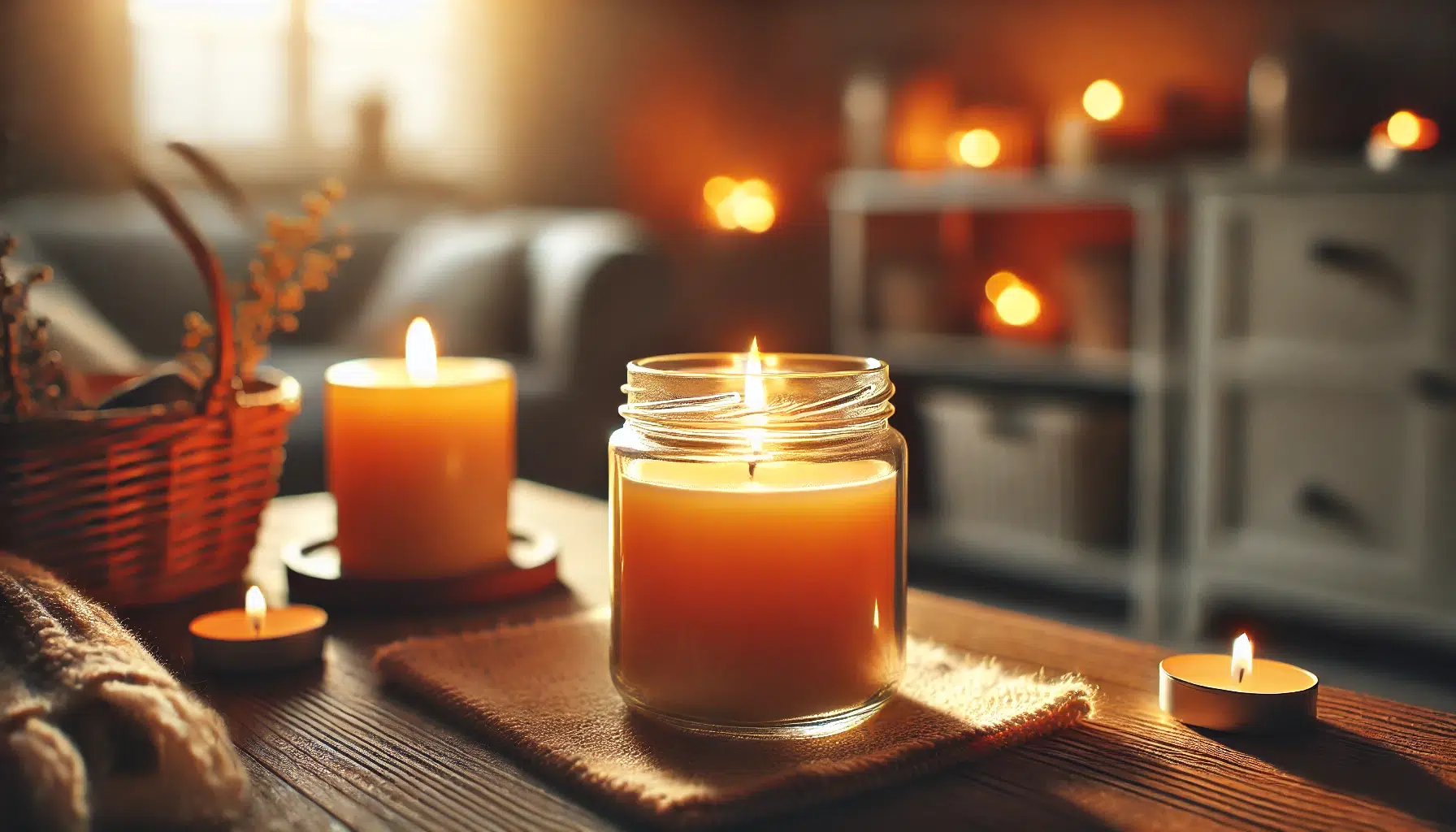
Discover How Scented Candles Can Pollute the Air in Your Home, Releasing Toxins and Harmful Nanoparticles to Health
The soft heat and warm aroma of scented candles create a relaxing environment. However, behind this sensation, scientific discoveries point to a hidden risk.
Recent research reveals that these products may be polluting the air you breathe, releasing harmful and potentially dangerous substances to health.
The Invisible Problem of Scented Candles
Scented candles, so common in homes and commercial spaces, hide a little-known risk. Besides the pleasant aroma, they release volatile organic compounds (VOCs), carcinogenic pollutants, and fine particles.
-
Maritime engine without diesel receives international certification and can deliver pure hydrogen to ships with power up to 2,670 kW, without CO₂, without sulfur, without soot, and with exhaust composed of water vapor.

-
Samsung launches an ultra-thin notebook with up to 22 hours of battery life, a 3K AMOLED display with 120 Hz, and a next-generation Snapdragon chip to rival the Lenovo Yoga Slim 7x and the 14-inch MacBook Pro; meet the Galaxy Book 6 Edge

-
iPhone 18 might be more expensive than many people expected, and the blame would lie with the memory chips that have become as valuable as gold in the race for artificial intelligence.

-
U.S. Navy signs a $23.4 million contract to produce 50 units of the Blackbeard hypersonic missile, a weapon that exceeds 6,100 km/h and targets long-range attacks at a lower cost.




These pollutants can harm the lungs, affect the hormonal system, and increase the risk of chronic diseases.
Even products considered safer, like flame-free wax melts, also present issues. Recent studies show that these items emit nanoparticles at levels comparable to diesel engines. In other words, the seemingly clean air may contain invisible particles harmful to health.
VOCs: The Villains of Indoor Air
Scented candles are designed to disperse fragrances, but they also release toxic compounds into the environment. VOCs, the main culprits of the pollution generated, are found in petroleum-based waxes and synthetic or natural fragrances.
These compounds react with indoor air, forming pollutants like formaldehyde, benzene, and ultrafine particles. Studies indicate that nearly all scented products, even those labeled as “green” or “organic”, release at least one dangerous chemical.
Even more concerning, problems can arise even when the candles are not lit. Simply having them in the environment can trigger adverse reactions in sensitive individuals.
Anne Steinemann, responsible for a 2015 study, reported that some people with asthma cannot even enter stores that sell scented candles.
Nanoparticles: A Risk You Cannot See
The nanoparticles released by scented wax melts, considered “safe” alternatives, represent an invisible risk. A 2025 study revealed that the concentration of these particles is similar to emissions from gas stoves and vehicle exhausts.
These extremely small particles can bypass the body’s natural defenses. They travel from the lungs directly into the bloodstream, where they can cause inflammation, oxidative stress, and DNA damage.
This increases the risk of cardiovascular problems and lung damage, making these nanoparticles a real health concern.
Other Products Are Also Dangerous
The dangers are not limited to candles. Air purifiers, diffusers, and other fragrance products also release more than 100 chemical compounds. Among them, terpenes — derived from plant oils — react with indoor ozone, forming organic aerosols and ultrafine particles.
Most alarmingly, even fragrance-free or “natural” products release toxic compounds. This challenges the notion that essential oil-based products or those labeled as “clean” are harmless.
Michael Bergin from Duke University believes it is nearly impossible to avoid some level of indoor pollution from using candles.
Sensitivities and Risk Groups
Sensitivity to these pollutants is more common than one might think. A 2019 study conducted by Steinemann revealed that 20% of the population reports some form of chemical sensitivity. Symptoms range from migraines and asthma attacks to neurological issues.
Furthermore, children and pets are particularly vulnerable. Babies, with developing lungs and immune systems, are at greater risk of respiratory illnesses when exposed to indoor air pollutants.
Modern Homes: A Pollution Trap
Modern homes, designed for energy efficiency, end up trapping indoor pollutants. Sealed windows and hermetically constructed buildings limit the circulation of fresh air, causing substances released by candles, cleaning products, and furniture to linger longer in the environment.
In cold months or urban areas, many people avoid opening windows, further reducing air flow. This contributes to the accumulation of pollutants, creating a potentially harmful indoor environment.
Scented Candles: How to Reduce Risks
If the use of scented candles is indispensable, it is essential to ensure good ventilation in the environments. Opting for unscented beeswax candles with cotton wicks can be a safer choice, as they burn cleaner compared to paraffin candles.
Finally, although a single scented candle may not pose an immediate threat, science makes it clear: these products are significant sources of indoor air pollution. The toxins released remain in the environment long after the candle is extinguished.
With information from ZME Science.





Be the first to react!