






 Portuguese
  Spanish
  3 min of reading
  1 comment


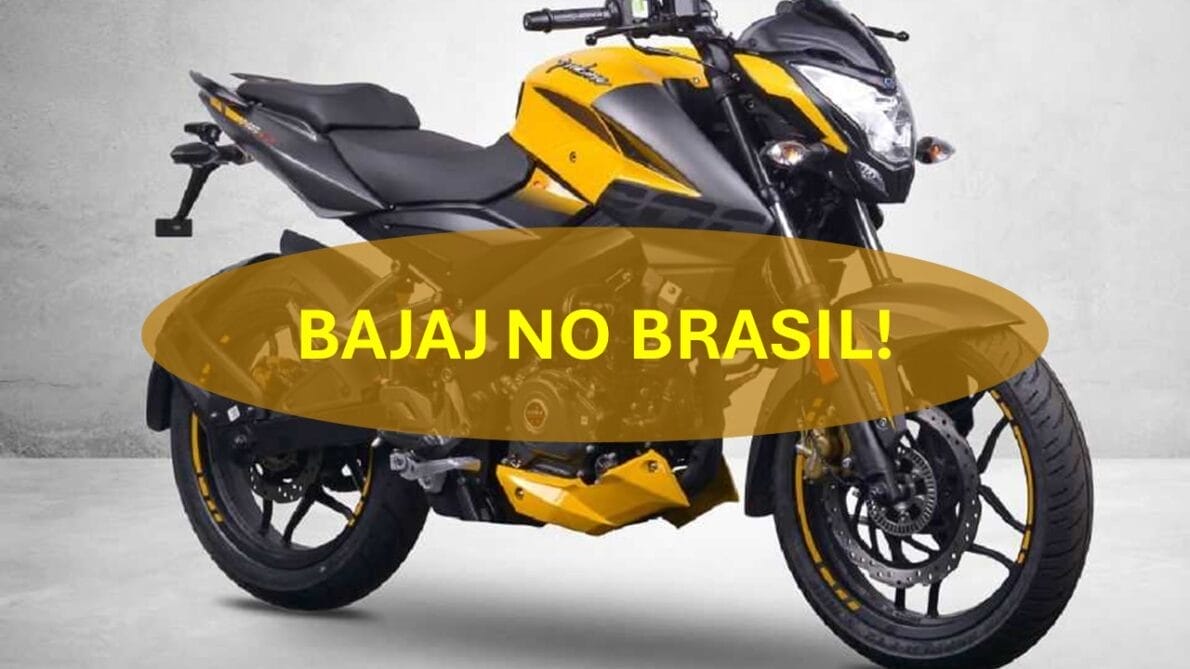

With New Factory in Manaus and Strategic Partnership with Âncora Consórcios, Indian Brand Bajaj Prepares to Shake Up the Motorcycle Market in Brazil
Bajaj, a renowned Indian Motorcycle Brand, is about to take a big step in its international expansion by inaugurating its first factory outside India, located in Manaus, Brazil. With production expected to start in June, the company plans to significantly increase its presence in the Brazilian market, raising questions about the impact that this may have on current leaders: Honda and Yamaha, according to the website Garagem 360.
Strategic Expansion in Brazil and Partnership with Âncora Consórcios
In addition to the inauguration of the new factory, Bajaj announced a partnership with Âncora Consórcios, one of the leading consortium administrators in Brazil. This strategic alliance aims to facilitate consumers’ access to Bajaj motorcycles, offering more advantageous and accessible purchase conditions. With an administrative fee of approximately 0.38% per month and the possibility of anticipating motorcycle ownership through bids, the consortium promises to be an attractive alternative to traditional financing.
Learn More About Bajaj’s New Factory and New Motorcycle Models


Market Perspectives and Growth
Bajaj plans to expand its dealership network from 17 to at least 30 by the end of the year and triple its sales volume in the country. This growth is seen as realistic, given the Brazilian scenario, which is in full expansion with a growing demand for economical and agile transportation alternatives.
-
Used Civic and Corolla have been stuck in stock for months. “People are preferring Chinese cars,” says the car dealership owner.

-
Toyota Sienna becomes a “VIP lounge on wheels” in Brazil after receiving a Chinese luxury kit, seats with massage, Starlink, refrigerator, and a 245 hp hybrid engine, targeting high-income families, artists, and executive transport in an almost million-dollar van.

-
Two new 300cc models from QJ Motor are expected to arrive in Brazil as SBM to target the CB 300F and shake up the low-displacement market, with more power and liquid cooling than Honda.

-
Camaro may reappear in 2027, but not as you remember: Chevrolet prepares the return of the icon with four doors, manual transmission, and an extreme performance version to face the new era of sports cars.


According to data from the National Federation of Motor Vehicle Distribution (Fenabrave), motorcycle sales in Brazil grew 16.1% in 2023 compared to 2022, jumping from 1.36 million to over 1.58 million units sold. This increase in demand reflects a positive trend in the market, which Bajaj intends to capitalize on.
Models and Technology of the Indian Brand
Although the brand has not yet revealed which models will be initially produced in Brazilian soil, it promises to deliver motorcycles that combine bold design and advanced technology. The strategy is to establish itself as an attractive option for riders of different profiles, offering competitive and high-quality products.
Impact on the Market
Bajaj’s entry into the Brazilian market certainly puts pressure on the current leaders, Honda and Yamaha. The combination of a new factory, an increased dealership network, and a robust partnership with Âncora Consórcios positions Bajaj competitively. The Indian brand has a track record of innovation and cost-effectiveness, characteristics that may attract Brazilian consumers seeking new options in the motorcycle market.
Benefits of the Bajaj Consortium
With the consortium, Bajaj offers a planned purchase option without interest, standing out as a financially advantageous alternative compared to traditional bank financing. Márcio Massani, commercial director of Âncora Consórcios, expressed enthusiasm for the partnership, stating that the goal is to provide customers with an accessible and hassle-free buying experience.
“Collaboration with Bajaj allows more people to realize the dream of owning a motorcycle, benefiting from the special conditions of the consortium,” commented Massani. Âncora Consórcios already handles up to R$ 13 million daily, an expertise that promises to further boost Bajaj’s sales.


Vejo que está tendo muitas reclamações sobre a Bajaj, está apresentando muitos defeitos.
Seria bom que a empresa melhore estas questões antes que venha a dispencar as vendas nacionais!