






 Portuguese
  Spanish


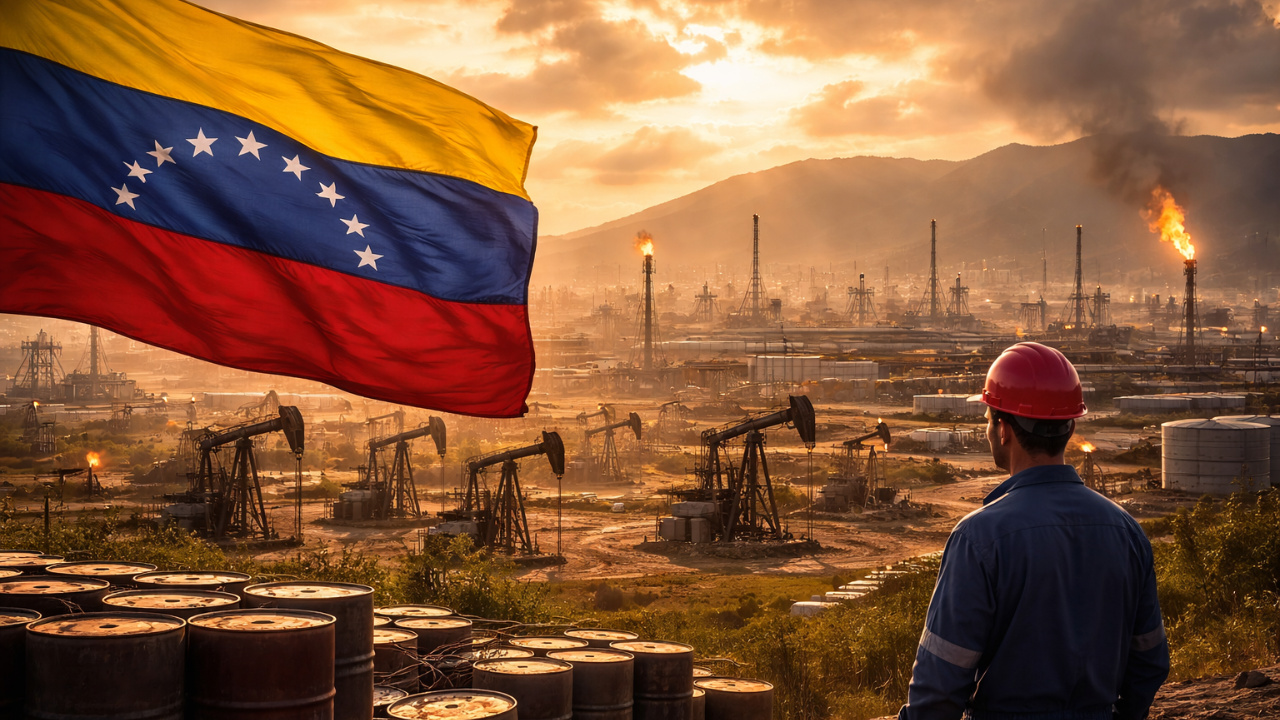


Venezuela Discusses in Parliament a Reform That Could Break the State Oil Monopoloy, Reduce Taxes, and Attract Global Oil Companies. Understand Why This Change Could Impact the World.
The Venezuela is about to take a step that could completely transform its energy sector. The Parliament is set to discuss, this Thursday (22), a proposal that breaks decades of state control over oil, opening up space for private companies to produce and sell the commodity directly.
The change comes in a context of strong international pressure and political reconfiguration. Under the influence of the Donald Trump administration, and after the fall of Nicolás Maduro, the country is revising its historic hydrocarbons law, considered one of the strictest in the world.
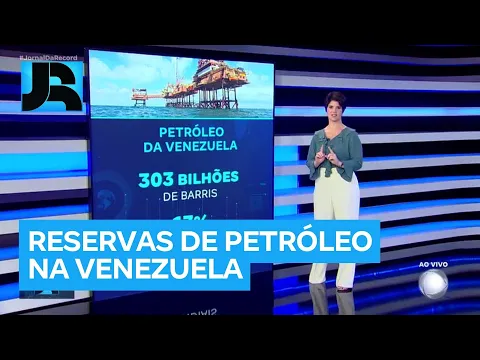
At the same time, the debate arises as a response to the collapse of Venezuelan production and the urgent need to attract foreign investments to restore abandoned fields.
-
Petrobras Begins Drilling Controversial Oil Well in Brazil’s Equatorial Margin Near the Amazon River Mouth

-
Petrobras Sets Record with 2.66 Million Barrels Per Day in Brazil’s Pre-Salt Oil Production
-
Petrobras to Double Natural Gas Supply in Northeastern Brazil with New Investment
-
Petrobras Approves $1.2 Billion Refinery in Brazil to Produce Aviation Fuel and Diesel from Plants
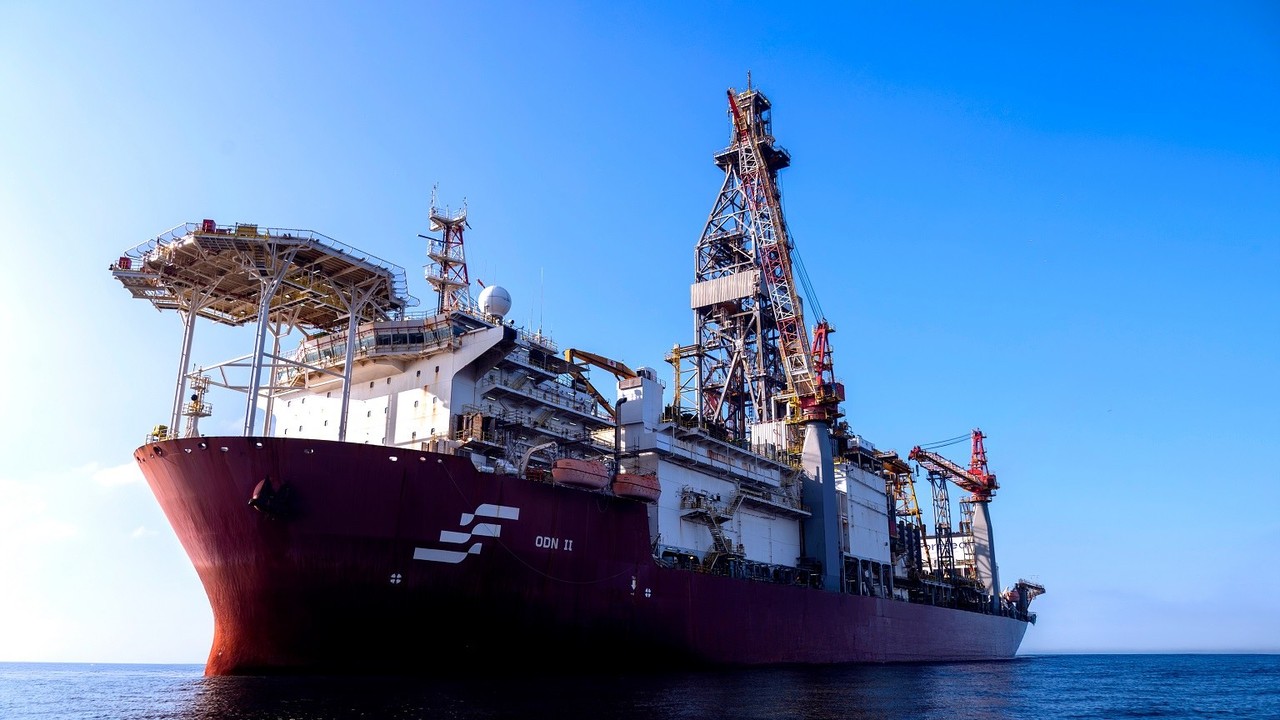


Petróleo Reform Aims to Dismantle Monopoloy and Reduce Taxes
The project under analysis proposes deep changes. The state oil company Petróleos de Venezuela (PDVSA), which currently holds the monopoly on oil production and marketing, would see its role drastically reduced.
Moreover, the rules for investors would become more flexible. Private companies would gain the freedom to drill, operate, and sell crude oil without the obligation to form joint ventures with the state company.
Another noteworthy point is the reduction in charges. Oil royalties would drop from 33% to 20%, while the income tax on oil companies would be reduced from 50% to 30%. The intent is to make the country more competitive compared to other major global producers.

The reforms also include a strategic detail: companies could resolve disputes through international arbitration, rather than exclusively relying on Venezuelan courts.
This mechanism is seen as a sign of legal security for foreign investors, who for years have avoided the country due to high regulatory risk.
According to sources close to the negotiations, this new model aims to create a more predictable environment aligned with international practices in the oil sector.
Rodríguez’s Statement Exposes the Ambition of the Plan
The interim president of Venezuela, Delcy Rodríguez, confirmed in January her intention to reform the legislation. In a recent speech to the National Assembly, she highlighted the expected impact of the changes:
“This will allow investment flows to be directed to new fields, to fields where no investment has ever been made and where there is no infrastructure.”
Although she referred to the proposal as a “partial reform,” the text alters the foundations of a law created in 2001, during Hugo Chávez’s administration, which nationalized the sector and drove away giants like ExxonMobil and ConocoPhillips.
The current legislation requires PDVSA to maintain a majority stake in any project and grants the state company exclusivity in oil sales. Furthermore, the law prohibits international arbitration, which has always generated insecurity for investors.
With production continuously declining in recent years, the Maduro government attempted to circumvent these rules in 2020 by authorizing contracts that did not require direct participation from PDVSA. Even so, the legal conflict drove away much of the global oil companies.
And you, what do you think of Venezuela’s new plans for oil? Is it a feasible path to prevent the worsening of the crisis or will desperation lead nowhere?


