Portuguese
  Spanish


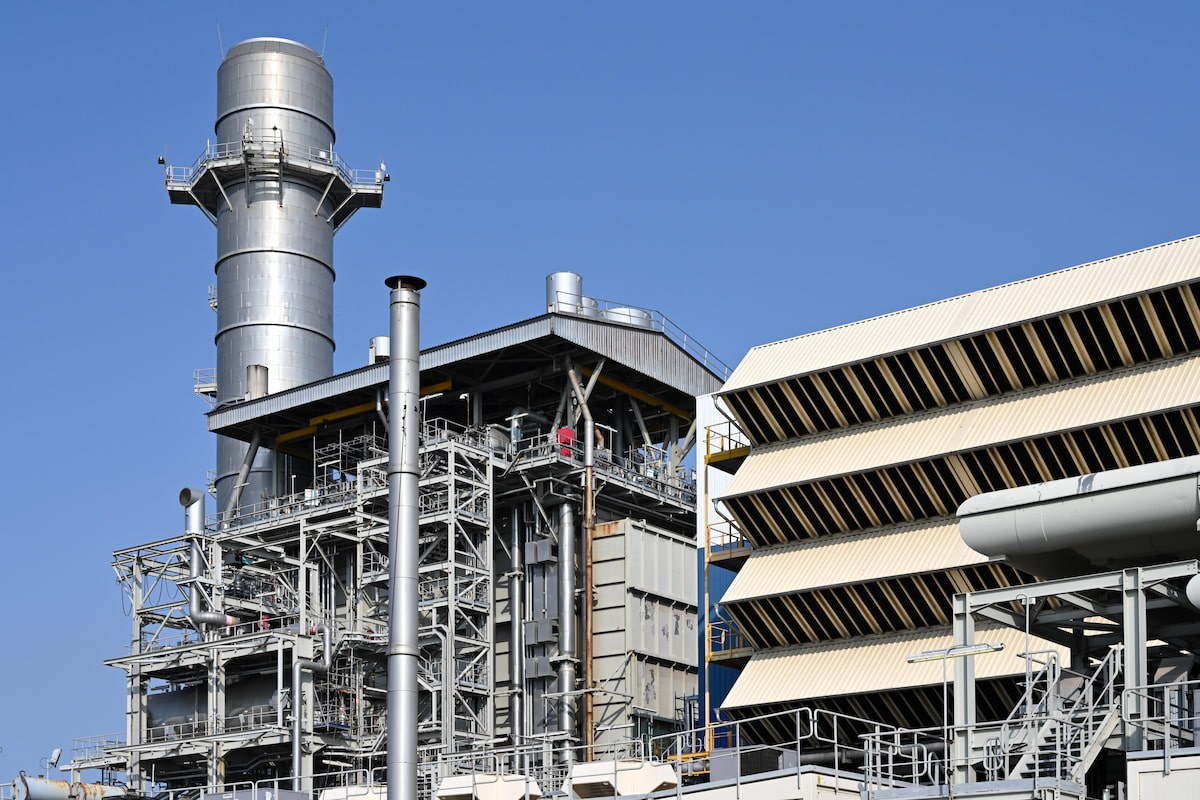
Brazil has contracted, in a capacity reserve auction, about nine thermal power plants totaling approximately 2.6 gigawatts of power, with an estimated fixed revenue of around R$ 44 billion over the course of the contracts. The goal is to ensure firm energy for times of higher demand or when the sun and wind are not generating, providing a safety net for the country’s electrical system.
It may seem contradictory to contract thermal plants, usually powered by fossil fuels, in a country that prides itself on having one of the cleanest energy matrices in the world. But there is logic behind it: precisely because Brazil relies so much on intermittent sources like solar and wind, it needs a reliable reserve for when these sources fail.
What is the capacity reserve auction
The so-called capacity reserve auction does not exactly purchase energy but rather the guarantee that it will be available when needed. In practice, the government pays the plants a fixed revenue to be ready to operate during critical moments, even if they spend most of the time turned off. It’s like hiring a reserve team that only takes the field in times of need.
-
Why Gasoline Prices Remain Stable: How Petrobras’ Subsidies and Pricing Policies Control Fuel Costs in Brazil

-
SpaceX Plans 13 km Pipeline to Reduce Truck Reliance and Speed Up Starship Rocket Launches in the U.S.
-
Petrobras Begins Drilling Controversial Oil Well in Brazil’s Equatorial Margin Near the Amazon River Mouth
-
Petrobras Sets Record with 2.66 Million Barrels Per Day in Brazil’s Pre-Salt Oil Production



These plants function as insurance. On peak consumption days, during heatwaves with all air conditioners running, or when a drought reduces reservoirs and the wind calms, the thermal plants are activated to ensure there is no energy shortage and the country does not risk a blackout. Most of them are powered by natural gas, a more flexible and less polluting fuel than coal or oil.
Why Brazil needs this reserve
The explanation lies in the transformation of the electrical matrix. The country has filled the system with solar and wind energy, which are cheap and clean but have one flaw: they depend on the weather. The panel only generates during the day, and the turbine only with wind. When these sources stop at the same time consumption spikes, something reliable must be ready to fill the gap.
The model is called complementarity. Renewables provide most of the cheap energy daily, and thermal plants only come in during critical hours, ensuring stability. Without this backup, the risk of blackouts would increase as the country relies more and more on sources that cannot be turned on and off at will.
It’s a price to pay for the energy transition.
The cost and impact on the electricity bill
This security, however, does not come for free. The R$ 44 billion projected in the contracts over the years are included, in one way or another, in the electricity bill paid by all consumers. Keeping plants on standby, even without generating all the time, is a cost embedded in the bill, and there is always the debate about the ideal size of this reserve to avoid paying too much for something that is used infrequently.
Critics question whether it would be better to invest more in batteries and other forms of storage, which store clean renewable energy instead of burning fossil fuel during peaks. The government itself is already preparing battery auctions, signaling that the future of the reserve may be increasingly clean. For now, however, gas-fired thermal plants are still the cheapest and most available way to ensure firm energy.
The balance of the system
In the end, the auction reflects the challenge of operating a modern electrical system: combining clean and cheap sources with a reliable backup, without letting energy run out or making the bill too expensive. It’s a puzzle that all countries face as they embrace renewables.
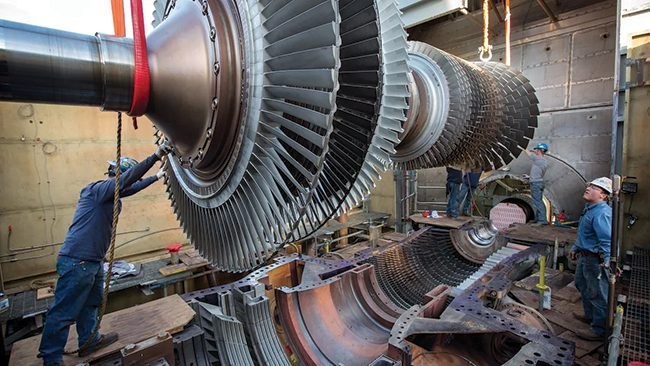
For natural gas, the result is good news, as it reinforces the demand for the fuel at a time when Petrobras is expanding supply in the country. According to ANEEL and the Ministry of Mines and Energy, the contracted reserve is seen as essential to support the growth of renewables without compromising supply security in the coming years.