Portuguese
  Spanish


Petrobras is considering entering the corn ethanol market, a rapidly expanding biofuel in the Brazilian Midwest, in a move that would mark the state company’s return to the biofuel sector and could transform it into a major player in ethanol, alongside its historical dominance in oil. The initiative is part of the company’s strategy to invest in low-carbon energy.
It would be a symbolic shift. The country’s largest oil company, a symbol of fossil fuel, also starting to produce the renewable fuel that powers millions of flex-fuel cars. The interest shows how even oil giants are moving to diversify in the face of the energy transition.
Returning to a Familiar Sector
This wouldn’t be Petrobras’s first time in the sector. The company previously had a biofuel subsidiary in the past, with stakes in ethanol and biodiesel plants, but withdrew from the segment during years of restructuring and focus on oil. Now, with global pressure for clean energy, the company is reevaluating the decision and considering a return, this time with an eye on corn ethanol.
-
Brazil’s $8.5 Billion Auction Secures New Power Plants to Prevent Peak Hour Energy Shortages

-
Why Gasoline Prices Remain Stable: How Petrobras’ Subsidies and Pricing Policies Control Fuel Costs in Brazil
-
SpaceX Plans 13 km Pipeline to Reduce Truck Reliance and Speed Up Starship Rocket Launches in the U.S.
-
Petrobras Begins Drilling Controversial Oil Well in Brazil’s Equatorial Margin Near the Amazon River Mouth



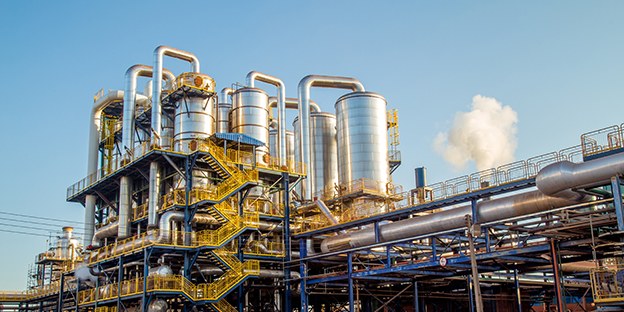
The choice of corn is not by chance. Unlike sugarcane ethanol, traditional in Brazil, corn ethanol is growing rapidly in the Midwest, where there is an abundance of grain. It allows for the transformation of corn into fuel in the production region itself, adding value and avoiding expensive freight to the ports, in a model that has attracted a wave of new plants.
Why Petrobras is Interested
The calculation is strategic. The energy transition pressures oil companies to reduce their dependence on oil, and biofuels are a way to do this without abandoning their expertise in fuels. Ethanol is already integrated into the Brazilian matrix, sold at the same stations as gasoline, and has a strong demand, supported by policies that incentivize renewables.
Entering this market would give Petrobras a solid foothold in low carbon with less risk than betting on still immature technologies. The company has already announced plans to invest in ethanol, biodiesel, renewable diesel, and sustainable aviation fuel, and corn ethanol fits into this diversification strategy that investors are closely monitoring.
It’s a bet on what already works.
The Impact on the Market
The potential entry of Petrobras would shake up the entire sector. With its size, capital, and distribution capacity, the state company could accelerate the expansion of corn ethanol and pressure prices, benefiting consumers but also worrying established producers, who would see a heavyweight competitor enter the game. Balancing stimulating the sector and not stifling those already in it will be delicate.
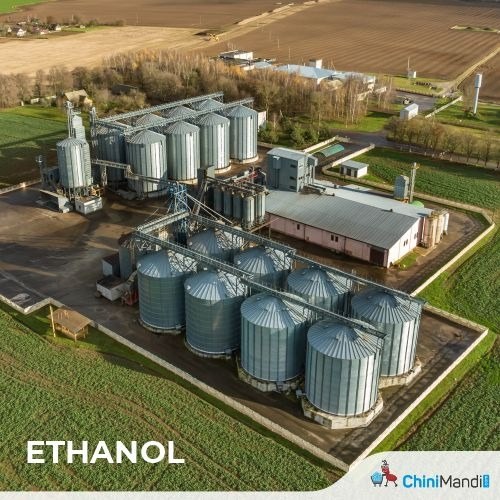
For agribusiness, Petrobras’s interest is generally good news. Another major corn buyer in the production region helps sustain the grain’s price and gives producers another outlet for their crop, at a time when the logistical bottleneck for transporting production is still significant. Transforming corn into fuel near the farm alleviates this pressure.
A Decision Under Study
For now, it’s an evaluation, not a done deal. Petrobras is studying ways to enter the market, whether by building plants, buying stakes, or forming partnerships, and the final decision will depend on the analysis of costs, returns, and the company’s long-term strategy.
In one way or another, the mere interest already signals the direction the country’s largest company is taking. According to Brasilagro and Agência Petrobras, evaluating corn ethanol is part of the state company’s effort to position itself in the low-carbon economy without giving up its strength in oil, balancing the fossil present and the renewable future.