Portuguese
  Spanish


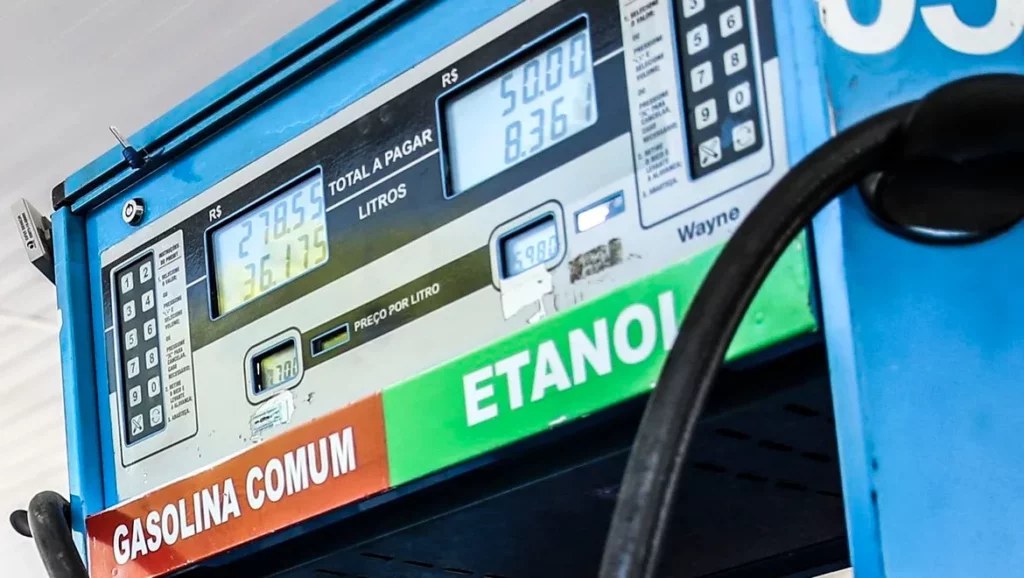
In May 2026, Petrobras adjusted the price of gasoline for distributors by about R$ 0.48 per liter, while a federal government subsidy program offered a discount of approximately R$ 0.44 per liter, cushioning almost the entire effect on the consumer’s pocket. This episode helps explain a common question: why, even with increases and crises, gasoline in Brazil does not skyrocket as it could.
The answer lies in a combination of factors that few people know in depth. The price that appears at the pump is, in fact, the sum of several components, and Petrobras controls only one of them. Understanding this calculation is understanding why the fuel costs what it does.
How the price at the pump is formed
The final price of gasoline basically has three major components. The first is the production cost, defined by Petrobras, which refines most of the fuel sold in the country and passes the price on to distributors. The second is taxes, with emphasis on the state ICMS. The third are the distribution and resale margins, which compensate those who transport the fuel from the refinery to the station.
-
SpaceX Plans 13 km Pipeline to Reduce Truck Reliance and Speed Up Starship Rocket Launches in the U.S.

-
Petrobras Begins Drilling Controversial Oil Well in Brazil’s Equatorial Margin Near the Amazon River Mouth
-
Petrobras Sets Record with 2.66 Million Barrels Per Day in Brazil’s Pre-Salt Oil Production
-
Petrobras to Double Natural Gas Supply in Northeastern Brazil with New Investment



The weight of taxes is enormous. The ICMS, a tax charged by the states, accounts for about a quarter of the price of gasoline, with rates that in 2026 were around R$ 1.57 per liter. In diesel and cooking gas, the weight is a little less, but still significant. In other words, a good part of what the driver pays goes to the government, not to Petrobras.
The pricing policy and the subsidy
The way Petrobras sets its prices is one of the most sensitive topics in the Brazilian economy. For years, the company strictly followed the so-called import parity, passing on to the domestic market every fluctuation in oil and the dollar abroad. This left gasoline at the mercy of international crises and generated strong political wear with each increase.
The model changed.
The company adopted a strategy that seeks competitive prices, but with more predictability, smoothing the transfers to not import all the volatility from abroad. When oil spikes abroad, Petrobras sometimes holds part of the increase, avoiding sharp shocks at the pump, even if this may reduce its profit in the short term.
When the government steps in with a subsidy
In times of pressure, the subsidy comes into play. This was the case in the May episode: Petrobras needed to adjust gasoline, but the government funded a discount that neutralized almost the entire increase for the consumer. In practice, the State assumes part of the cost to prevent the price from rising at the pump, usually in situations of international or economic tension.
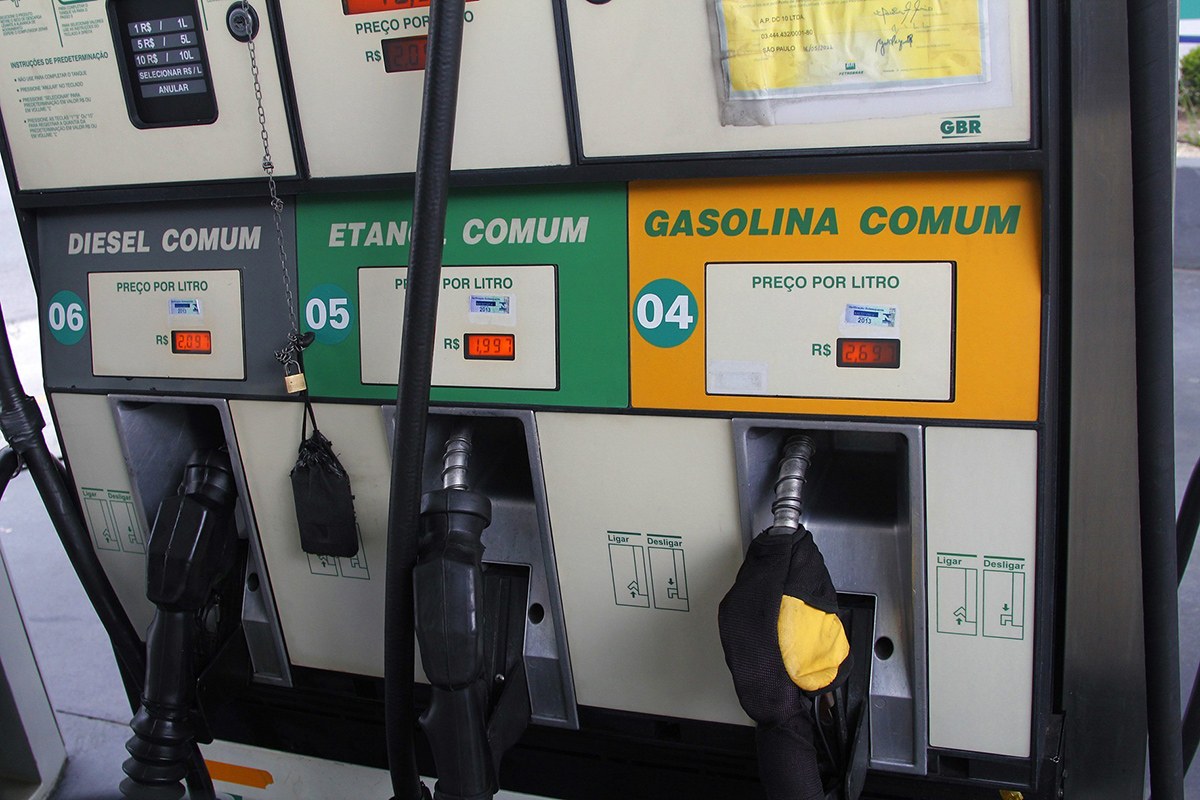
This type of measure has pros and cons. On the positive side, it protects the consumer and controls inflation, as fuel increases the cost of almost everything in the economy. On the negative side, it costs public money and can mask the real price, creating a bill that someone will have to pay later. It is a delicate balance between immediate relief and fiscal sustainability.
The effect on the entire economy
The price of fuel goes far beyond the car tank. Since practically everything in Brazil is transported by truck, diesel influences the cost of food, products, and services, and gasoline weighs on the budget of millions of families. Therefore, holding down fuel prices is both an economic measure and a political decision with a significant impact.
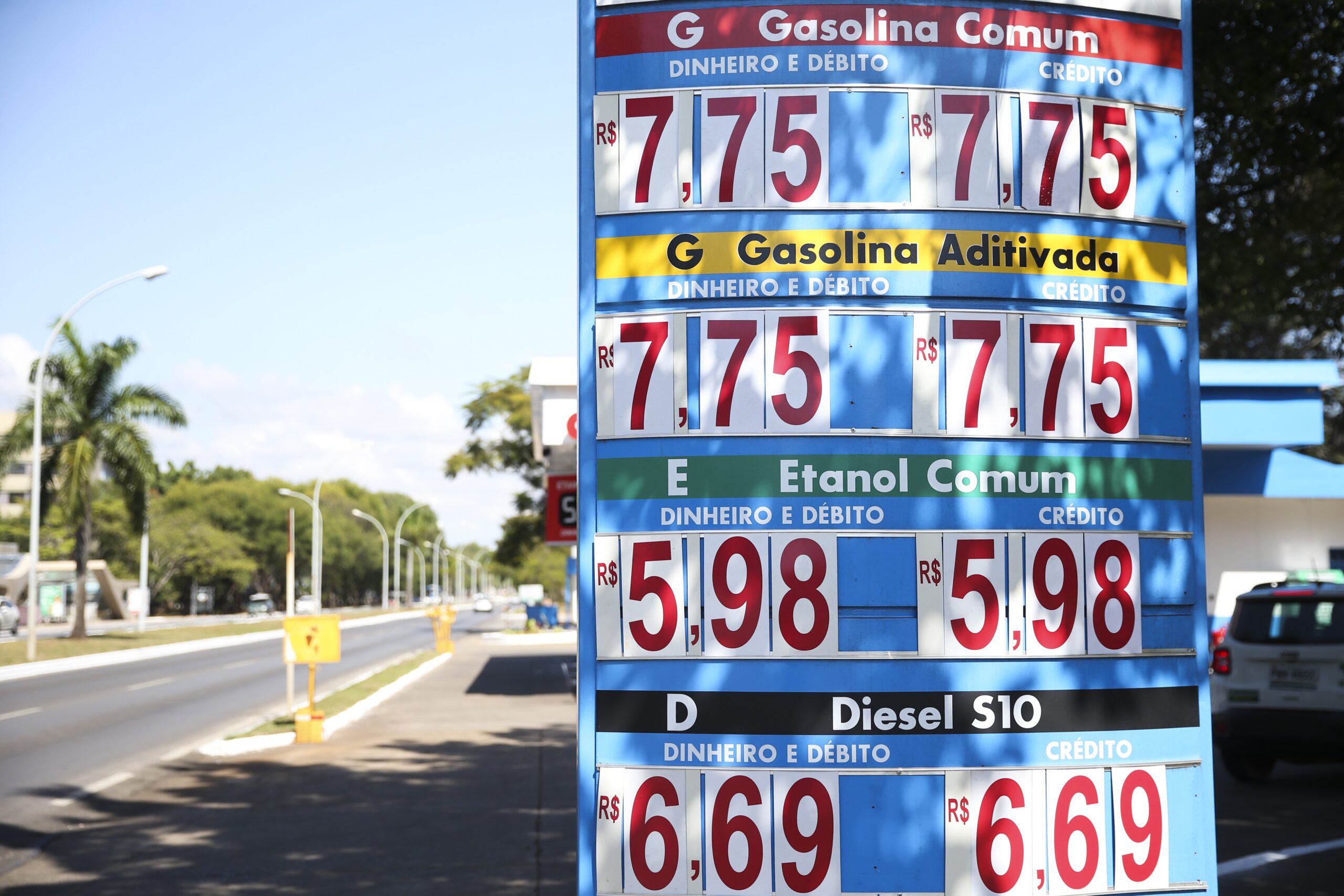
The result is a system in which Petrobras, the government, and the states, each controlling a part of the price, together determine how much Brazilians pay to refuel. According to Petrobras Agency and ANP, it is precisely this combination of a smoother pricing policy and occasional subsidies that has prevented, in recent times, gasoline from skyrocketing despite the turmoil in the global market.