






 Portuguese
  Spanish


The field accounted for almost half of everything the country sold abroad and secured the largest trade surplus in history, sustaining a large part of the national economy on its own
The Brazilian agribusiness closed 2025 confirming why it is called the engine of the country’s economy. The sector’s sales abroad reached a historic mark of US$ 169.2 billion, an absolute record that represents almost half of everything Brazil sold to the world in the year. It was the field, once again, holding the nation’s accounts.
The weight of Brazilian agribusiness in the trade balance is impressive. Besides the record of external sales, the sector generated the largest trade surplus ever recorded, a billion-dollar cushion that helps balance the economy and sustain the currency’s value, in a year when Brazil needed all this breath.
Brazilian agribusiness and the US$ 169 billion exported
The number that opens the balance is gigantic. According to the Ministry of Agriculture and Livestock, agro exports totaled US$ 169.2 billion in 2025, an increase of 3% over the previous year, and accounted for 48.5% of everything the country exported.
-
Solar-powered irrigation transforms agriculture, boosts family income, and enhances food security in Uganda.

-
Brazil Supplies 70% of the World’s Orange Juice, Prices Double Due to Pest Outbreak

-
Brazilian Scientists Develop World’s First Tropical Wheat for Biscuit Production, Yielding Up to 150 Bags per Hectare and Highly Resistant to Common Crop Disease

-
El Niño may boost corn and soybean harvests in Brazil and Argentina, offering potential relief for global food prices.



In other words, practically one in every two dollars that entered Brazil through exports came from the field. No other sector comes close to this weight. When almost half of a country’s foreign exchange comes from agriculture, Brazilian agribusiness ceases to be a sector and becomes the backbone of the economy, and that was exactly the role it played in 2025.
A surplus of US$ 149 billion, the largest in history
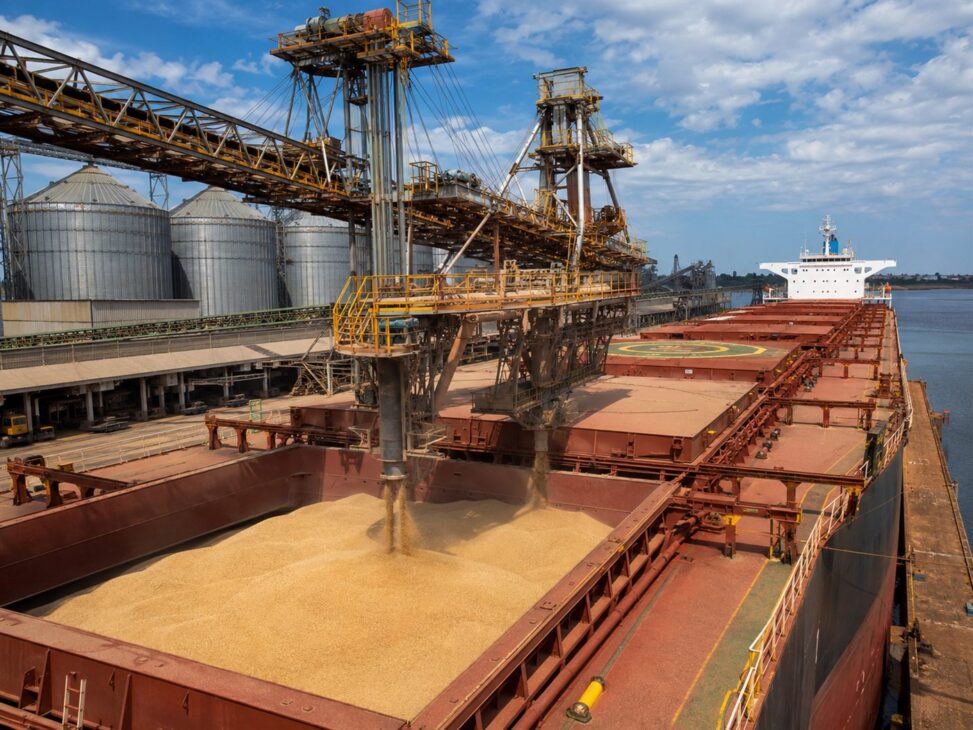
The positive balance is the most powerful data. According to the Ministry of Agriculture, the agribusiness trade balance surplus closed the year at US$ 149.07 billion, the largest ever recorded, resulting from exporting a lot and importing little in field products.
This balance is what holds up the entire country’s trade balance. Without agriculture, Brazil would probably end the year in the red in external accounts. It is the balance from the countryside that offsets the deficit of so many other sectors, acting as insurance for the national economy against currency crises and external turbulence.
The soy that leads the way
Among the products, one reigns supreme. According to the Ministry of Agriculture, soybeans generated US$ 43.5 billion in revenue, with a record shipped volume of 108.2 million tons, an increase of 9.5% in quantity.
This grain alone is worth more than the entire economy of many countries. It feeds herds and industries in China and around the world and is the flagship of Brazilian agriculture. Being the largest global supplier of such a sought-after grain gives Brazil a rare bargaining power in world trade, and it is soy that opens the doors to the largest markets.
The coffee that soared more than 30%
Another product shone brightly. Also according to the Ministry of Agriculture, coffee shipments yielded about US$ 16 billion, a jump of 30.3% compared to the previous year, driven by rising prices in the international market.
Coffee is one of Brazil’s symbols in the world, and seeing revenue grow by almost a third in a year shows the size of global demand for the beverage. When the price of a traditional product soars, the Brazilian producer reaps the direct result in their pocket, and coffee was one of the major contributors to boosting the 2025 record.
China that buys a third of everything
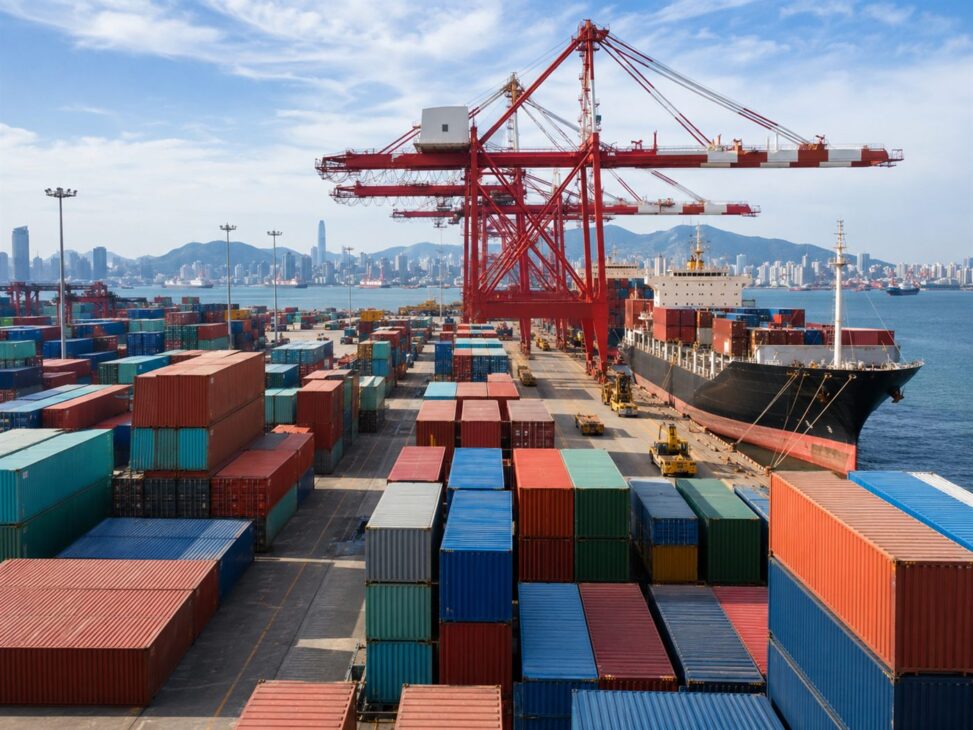
On the buyers’ side, one country dominates. According to the federal government, China bought US$ 55.3 billion in Brazilian agricultural products, 32.7% of the total, followed by the European Union, with US$ 25.2 billion, and the United States, with US$ 11.4 billion.
This concentration is both a strength and a risk. Having China as a giant customer ensures volume but leaves the country exposed to any jolts in the Chinese economy. Relying so much on a single buyer is the Achilles’ heel of such a thriving agriculture, and explains Brazil’s effort to open new markets.
525 new markets opened in three years
The country has been working to not put all its eggs in one basket. The federal government reports that, between 2023 and 2025, 525 new markets were opened for Brazilian products, expanding the list of countries that buy from the national agribusiness.
Diversifying destinations is the best way to reduce the risk of relying too much on a single client. Each new market is an additional outlet for production. Opening more than 500 markets in three years is an insurance policy against the instability of any buyer, and provides more security to the producer planning the next harvest.
The record harvest of 352 million tons
Behind the exports is a colossal production. The federal government points out that the 2024/2025 grain harvest was a record, with 352.2 million tons harvested, which supplied shipments and supported foreign trade figures.
Harvesting so much grain requires technology, area, and productivity that few countries have. It is this robust base that allows Brazil to break export records even with fluctuating international prices. Without a bumper crop in the field, there is no record at the port, and it was the combination of abundant harvest and global demand that balanced the 2025 account.
Why agribusiness is the engine of the Brazilian economy
In the end, the numbers tell a simple story: Brazil is an agricultural powerhouse that feeds a good part of the world. The Brazilian agribusiness generates foreign exchange, employment, and income on a scale that no other sector of the economy reaches, and it is what stitches together the positive balance of external accounts year after year.
The question that remains is whether the country will be able to maintain this pace, diversifying markets and adding value to what it exports, instead of selling only raw materials. Did you imagine that almost half of everything Brazil sells to the world comes from the field, and that it is agribusiness that supports a large part of the country’s economy?


