Portuguese
  Spanish


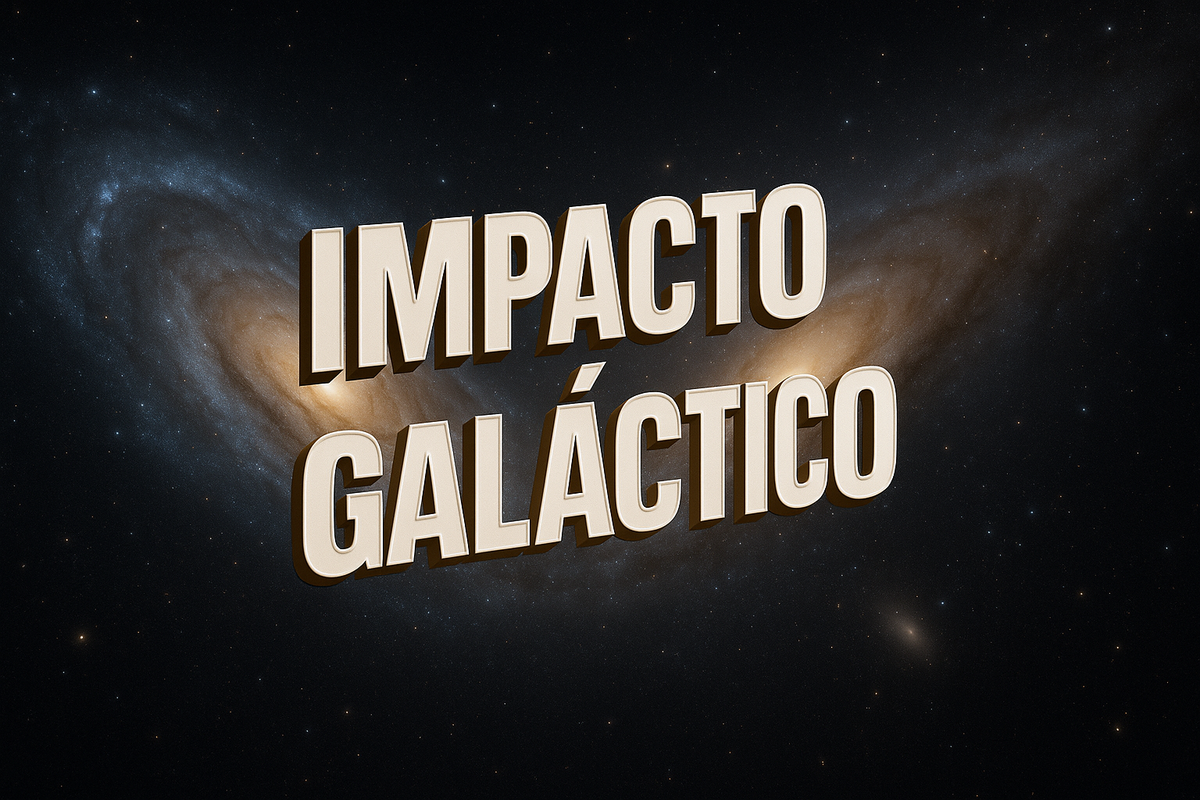

Technical Study Reveals That Galaxies May Not Collide Head-On, But Merge in Billions of Years
NASA researchers announced an important revision in the astronomical models that predicted a direct collision between the Milky Way and the Andromeda galaxy. The new scenario, published in May 2025, suggests that the two cosmic structures will follow smoother trajectories than previously estimated.
The study, led by Roeland van der Marel from the Space Telescope Science Institute, is based on more accurate simulations of galactic motion. The data was obtained through the Hubble telescope and the Gaia mission from the European Space Agency (ESA), which have been monitoring deep space since 2013.
Galaxies Will Still Meet, but Head-On Collision Is Unlikely
Despite the update, the encounter between the two galaxies should still occur — but with a deviation that minimizes the direct impact. It is predicted that this will happen within 4.5 billion years.
-
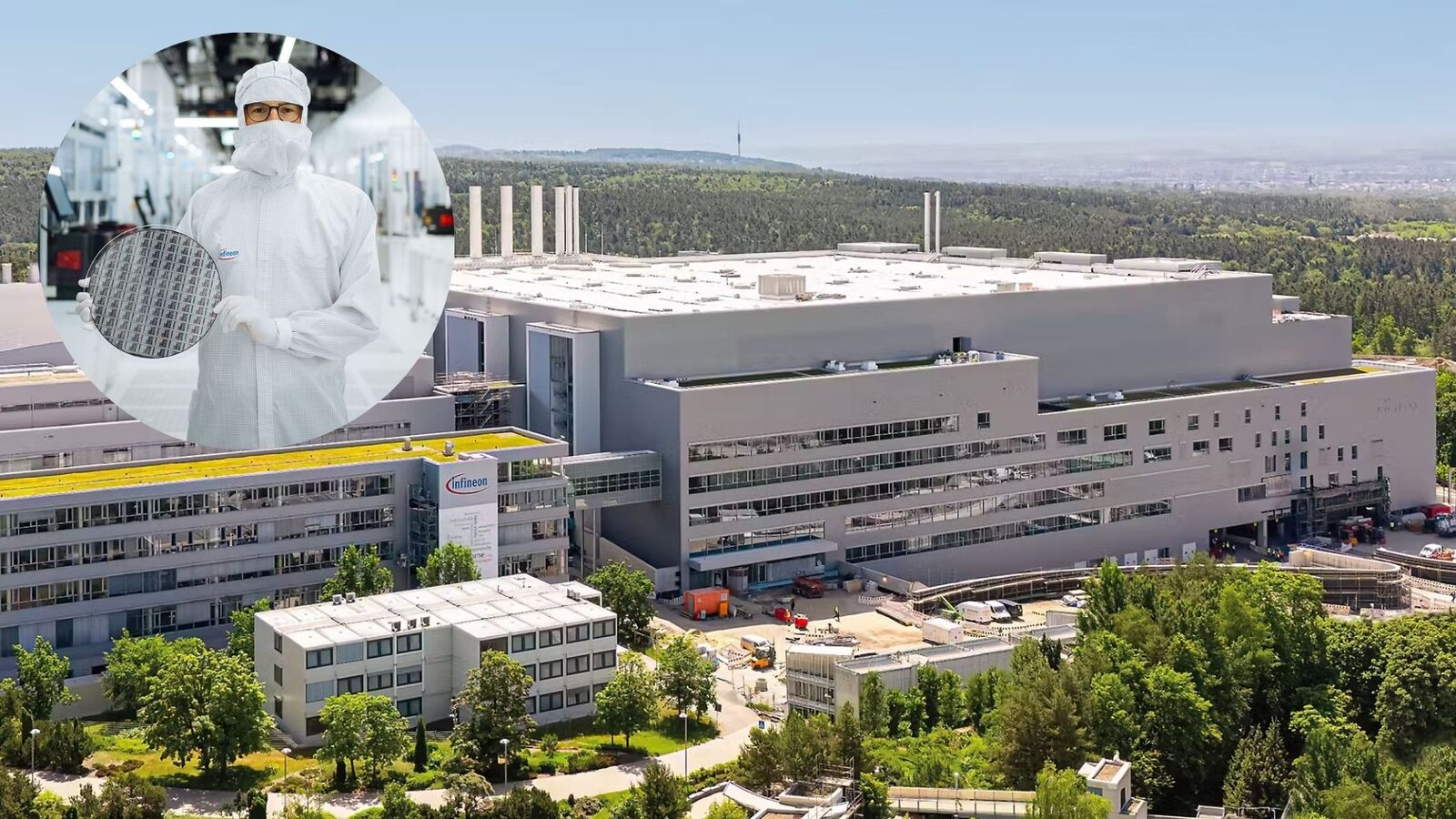
Germany Opens World’s Largest Smart Power Semiconductor Factory with €5 Billion Investment, Creating 1,000 Jobs and Doubling Capacity for AI and Energy Needs

-
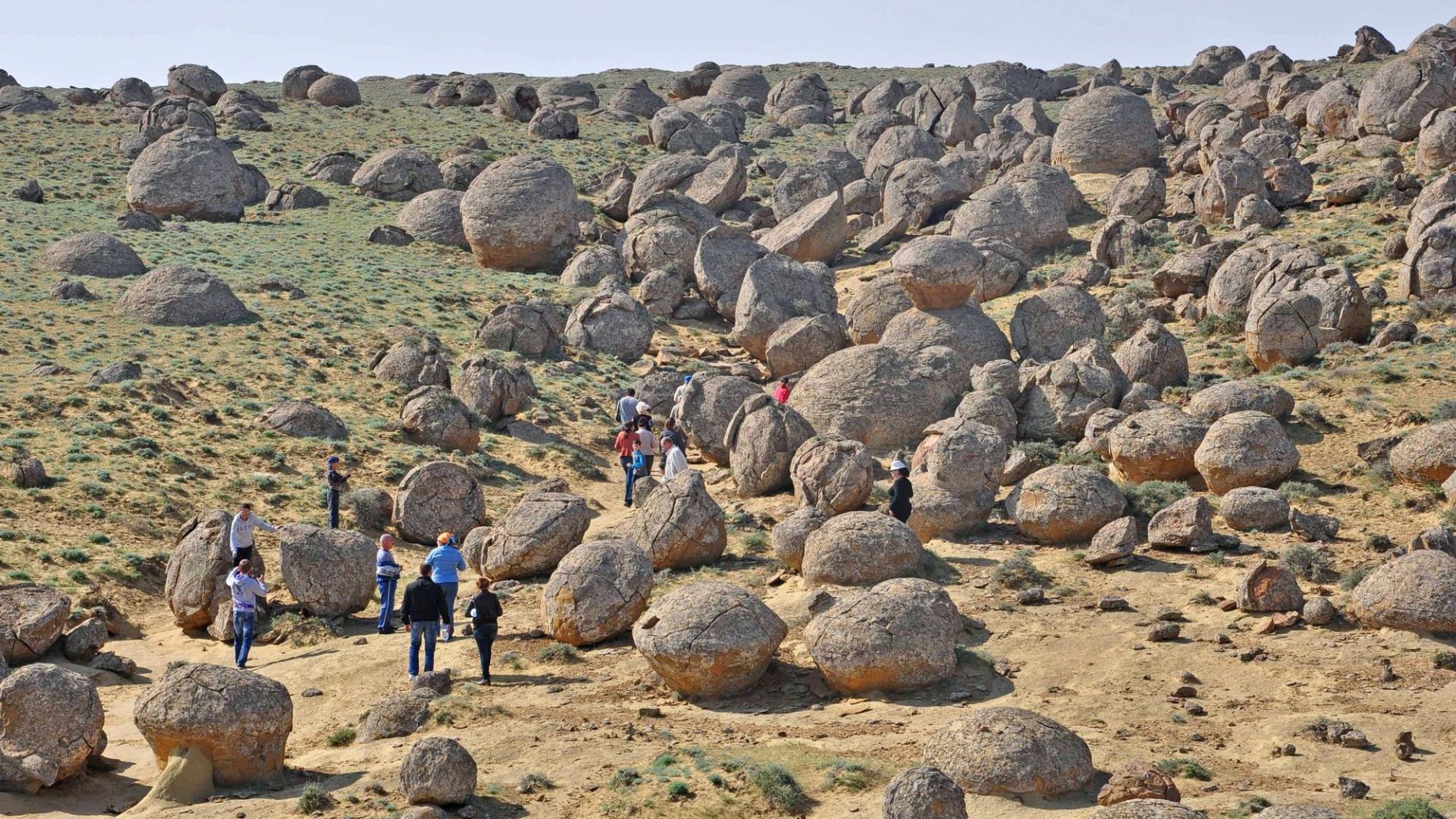
Kazakhstan’s Torysh Valley Holds Thousands of Giant Stone Spheres, Intriguing Scientists with Ancient Oceanic “Cannonballs”

-
Egypt Discovers 18 Ancient Tombs with Gold Tongues, Unveiling Unusual Funeral Rituals and Amulets Believed to Give Voice to the Dead

-
Nigeria Dumps 120 Million Tons of Sand into Atlantic to Build Massive City with 8.4 km Sea Wall for Protection Against Ocean Waves and Erosion


According to the report, Andromeda is not approaching the Milky Way in a straight line as previously thought. Instead, it follows a more tangential path. This significantly alters the previous model, which predicted a central and destructive collision.
The approach between the galaxies will be marked by intense gravitational interactions. However, the chance of mass destruction of stars and solar systems has decreased considerably.
Study Used More Recent Data from Hubble and the Gaia Mission
The new projection was made possible by technological advancements. The team analyzed stellar movements recorded by Hubble over two decades. Additionally, they incorporated astrometric information from the Gaia satellite, with unprecedented accuracy.
These observations, made between 2018 and 2024, allowed for clearer simulations of Andromeda’s rotation and translation. The result pointed to a more controlled future merger, with no direct impact on the Solar System.
The Sun, for example, may be pushed to more distant regions of the new galaxy, but it will not be destroyed. The same applies to Earth, which will remain in a safe orbit, although further away from the galactic center.
Merger Is Expected to Create a New Galaxy Called Lactomeda
Gravity should unite the galaxies over time, although the possibility of a direct collision has already been dismissed.
The process will take billions of years before resulting in the formation of a new cosmic structure.
This new galaxy, informally called “Lactomeda,” will be larger, more elliptical, and composed of a combination of stars from the Milky Way and Andromeda. The formation is expected to occur gradually, with the redistribution of celestial bodies into different orbits from the current ones.
As the study highlights, this type of merger between galaxies is common in the universe. It represents a natural stage in the life cycle of these cosmic structures.
Impact on Science and Understanding of the Universe
The discovery reinforces the need for continuous updates to astronomical models. It also shows how more precise data can completely change the understanding of cosmic events.
For Roeland van der Marel, understanding the movement of nearby galaxies is essential for studying the origin and fate of the universe. The interaction between the Milky Way and Andromeda, he says, will be a valuable example for future generations of scientists.
NASA and ESA plan to continue monitoring, with new missions scheduled until the end of the decade. The goal is to closely follow every detail of the approach between the galaxies.
Merger Does Not Represent a Risk to Life on Earth
Despite the magnitude of the event, scientists assure that life on Earth will not be directly affected. The distances between stars are so great that collisions between celestial bodies are extremely unlikely.
The main change will be visual: the night sky may gain new stars and structures, offering unique spectacles for those who are alive in the coming eras.
Therefore, there is no reason for immediate concern, but rather scientific interest. The galactic merger will be a slow, silent, and natural process, with no threats to the stability of the Solar System.
What do you find more impressive: the ability to predict events billions of years away or the calm with which the universe handles such grand transformations?