Portuguese
  Spanish


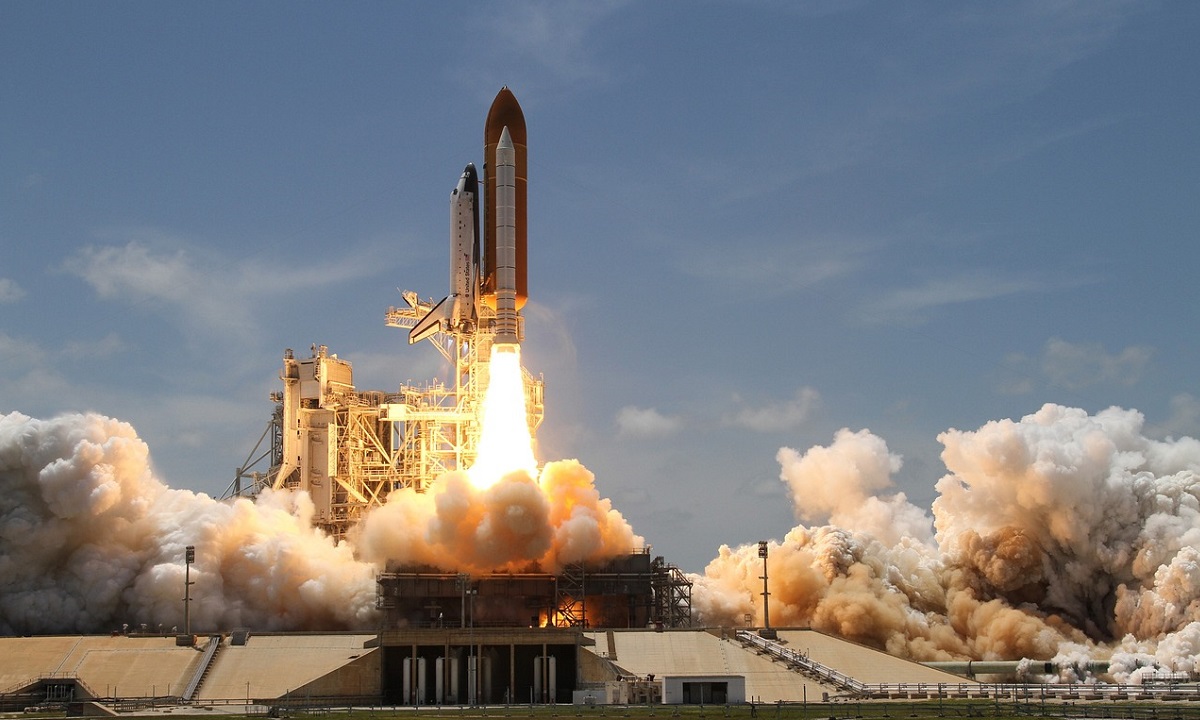

With The Growth Of Rocket Launches Into Space By Large Companies, They Began To Develop A Clean, Zero Carbon Fuel For Use In Trips
As the interest of companies in joining the space race increases, so do the concerns of climate researchers regarding carbon emissions from rockets. Therefore, some rocket launching companies are developing a clean fuel to preserve the environment, according to the Época website.
At SpaceX, for example, a single flight of the Falcon 9 rocket emits about 336 tons of carbon dioxide, which is equivalent to a car traveling around the world 70 times. This estimate comes from John Cumbers, a former NASA biologist and CEO of SynBioBeta, who was consulted by Fortune magazine.
ELON MUSK’S ZERO CARBON ROCKET
Research And Studies To Develop Sustainable Fuel
There are ongoing projects for sustainable green hydrogen fuel, for instance, aimed at improving the sustainability of liquid hydrogen combustion, which is the primary fuel used by NASA in its missions and also emits tons of carbon dioxide.
-
Ceará brings together 7 giants and R$ 66 billion to transform Pecém into the largest green hydrogen hub in Brazil, with final decisions expected by the end of 2026.

-
Scientists Convert Factory Waste Heat into Hydrogen Using Perovskite Catalyst at Significantly Lower Temperatures

-
Airbus and MTU Launch Joint Venture to Advance Hydrogen-Powered Electric Aircraft Engines, Paving the Way for a New Era of Low-Emission Commercial Aviation
-
In a Place Many Doubt Solar Power Works, 360 Panels Operate in the Arctic, Harnessing Reflected Snowlight to Reduce Diesel Use at an Isolated Station
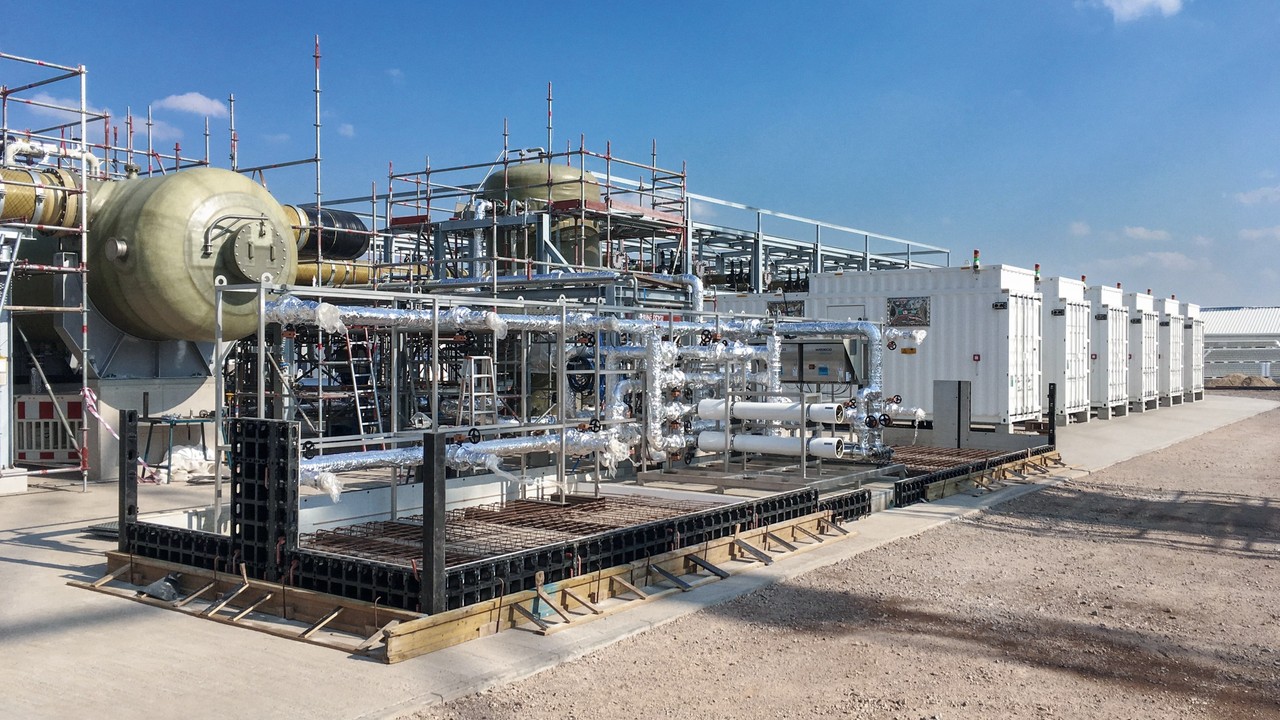
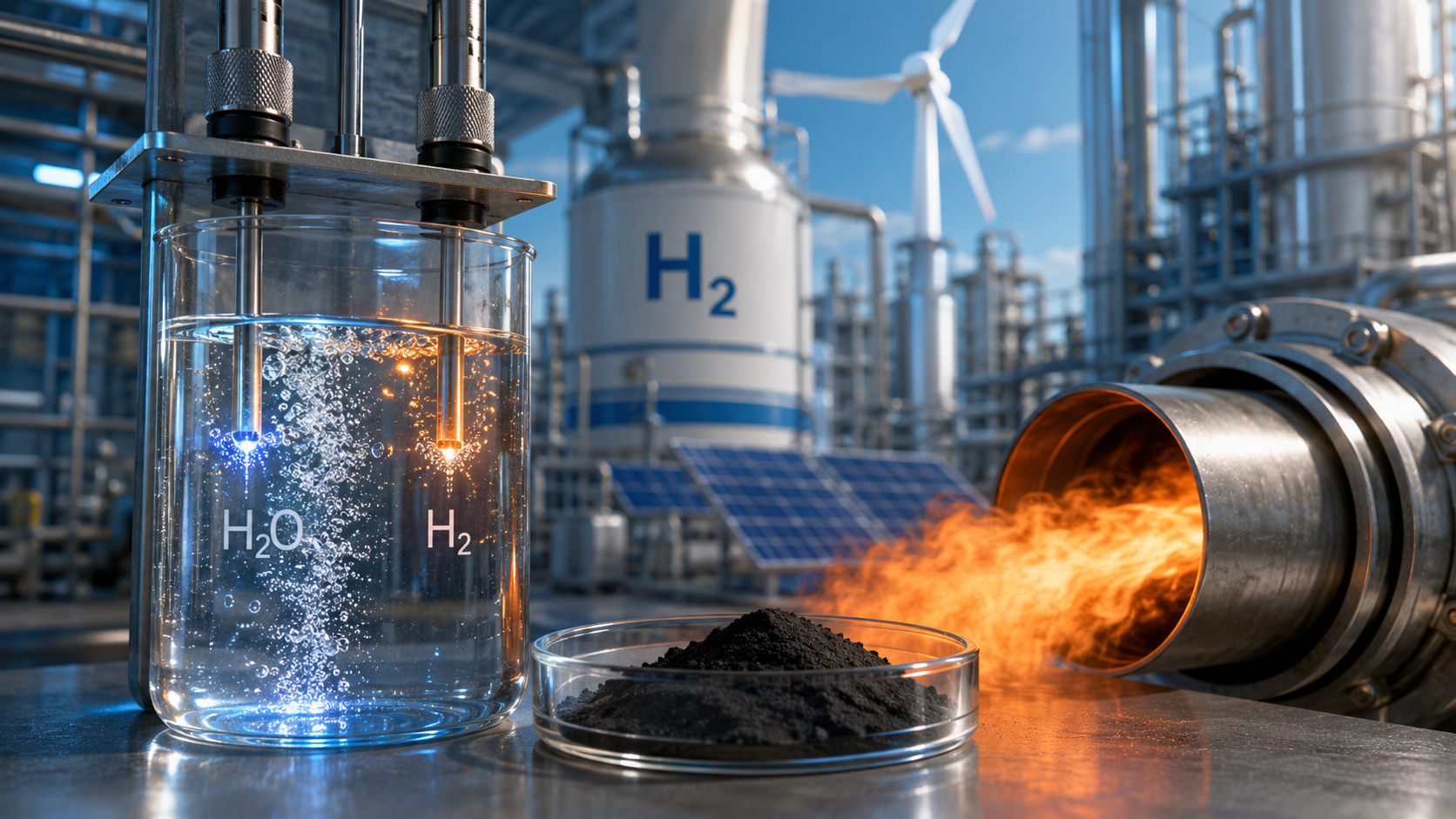


There is also the ongoing production of rocket fuel in a more eco-friendly way. Check out some of them:
- The energy startup Green Hydrogen International is developing a green hydrogen project in South Texas;
- Researchers at the German Aerospace Center are working on a fuel that only produces nitrogen, oxygen, and water when heated;
- The Canadian company Hyox is developing technology for producing liquid aviation fuel and rocket propellants that use low-cost solar energy to produce methane and kerosene, which can propel rockets into space;
Carbon-Free Technology
Among the companies, Air Company, based in New York, stands out for its innovative technology, studying direct air capture technology, a principle that removes carbon dioxide.
The company mixes this carbon with hydrogen produced from renewable energy to create Rocket Propellant-1 (RP-1), a type of kerosene used by SpaceX’s Falcon 9 rocket.
The process to transform kerosene is carbon-negative, but it may one day be replicated on Mars – where the atmosphere consists largely of carbon dioxide – to produce fuel for return trips. This way, the fuel will not need to be transported from Earth for missions to the red planet.