






 Portuguese
  Spanish


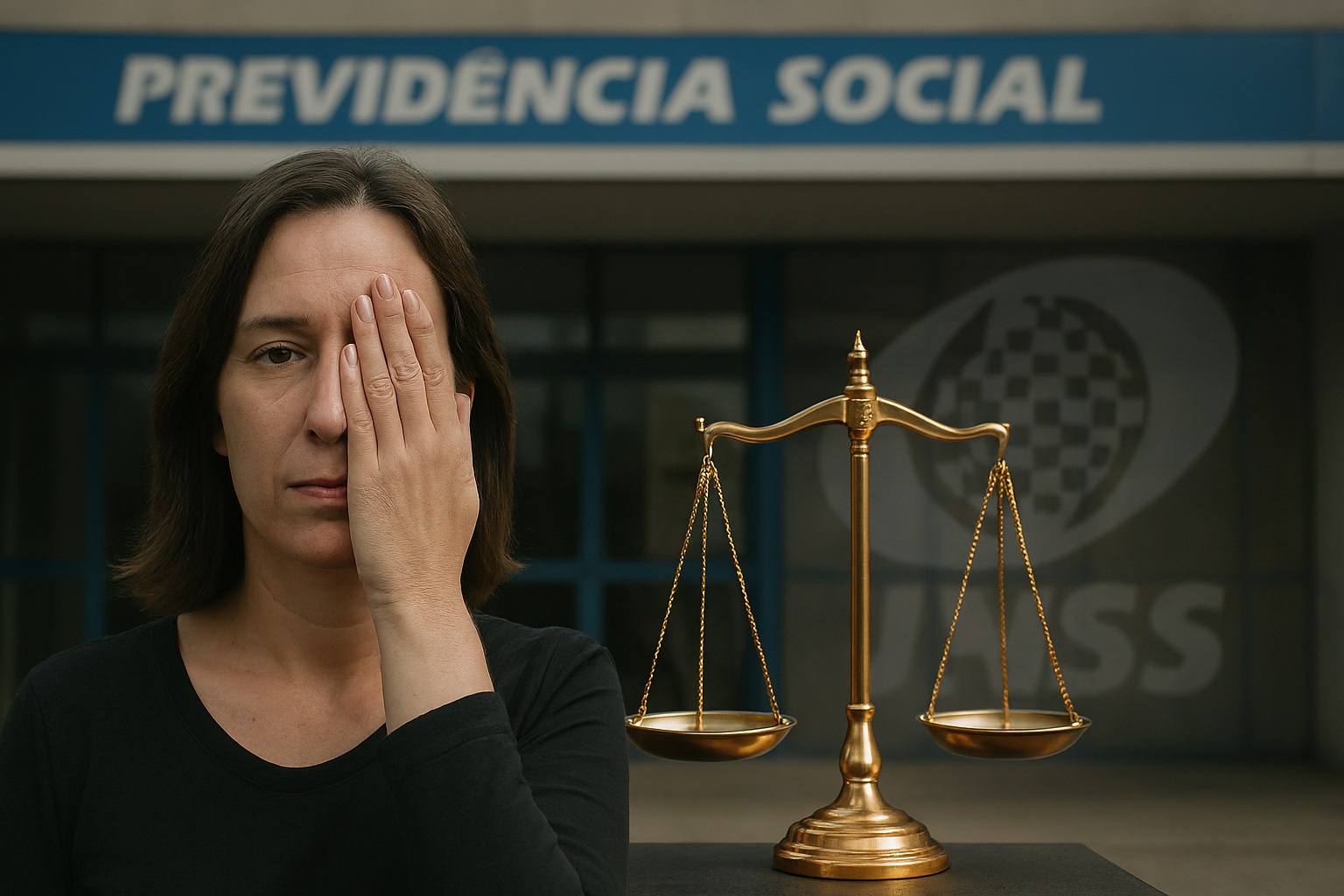

Law 14.126/2021 Recognizes Monocular Vision as Visual Disability, Ensuring Access to the BPC of R$ 1,518 and More Than 17 Social, Social Security, and Labor Rights.
From the Law 14.126/2021, enacted on March 22, 2021, and published in the Official Gazette of the Union the following day, Brazil officially began to recognize monocular vision — when an individual sees with only one eye — as a visual sensory disability. The law was an important milestone in the fight for inclusion, as it ensured access to a number of social, labor, and tax benefits previously restricted to other disabilities.
The Main Right: BPC of R$ 1,518 per Month
The highlight among the rights is the Continued Benefit (BPC/LOAS), paid by INSS in the amount of one minimum wage (R$ 1,518 in 2025).
To access it, one must be registered with CadÚnico, have a family per capita income lower than 1/4 of the minimum wage, and present an official medical report proving monocular vision as a permanent condition.
The benefit does not require previous contributions to Social Security — it is an assistive right aimed at protecting the dignity and social security of low-income individuals with disabilities.


Legal Recognition and Social Impact
Before the Law 14.126/2021, many citizens with monocular vision faced bureaucratic resistance to obtain tax exemptions, participate in public competitions, or claim job quotas.
With the new legislation, Brazil began to equate monocular vision with other disabilities, expanding inclusion opportunities and reducing historical inequalities.
-
Seniors Over 60 Can Travel for Free Across Brazil: Elderly Statute Ensures Two Free Bus Seats and 50% Discount When Full for Low-Income Passengers

-
Detran RJ starts requiring a toxicological test for those obtaining their first driver’s license in the car and motorcycle category starting June 29; see who will be affected.

-
Florida takes TikTok to court and accuses the Chinese giant ByteDance of ignoring the law that bars minors under 14, while parents and authorities demand more protection for children on social networks.
-
Chamber approves constitutional amendment reducing the age of criminal responsibility from 18 to 16 years; what now?




The text of the law was originally proposed by then-senator Rogério Carvalho (PT-SE) and received presidential approval without vetoes. The recognition was consolidated by the National Secretariat for the Rights of Persons with Disabilities, an agency linked to the Ministry of Human Rights and Citizenship.
Other Rights Guaranteed by the Law
In addition to the BPC, those with monocular vision also gain the right to up to 17 legal benefits, including:
- Tax exemption on the purchase of adapted vehicles (federal IPI and, depending on the state, ICMS and IPVA);
- Income Tax exemption on retirement and pensions;
- Compete simultaneously for general vacancies and the disability quota in public competitions;
- Mandatory job quotas for persons with disabilities in companies with more than 100 employees;
- Special parking permit (DEFIS/CONTRAN card) issued by Detrans;
- Half-price at cinemas, theaters, cultural, and sports events;
- Preferential service in public offices, banks, and essential services;
- Fee exemption on some intermunicipal and interstate public transports (depending on local legislation).
Practical Importance
The law had a direct impact on the lives of thousands of Brazilians who, until then, could only see with one eye and were not recognized by the social security system or quota policies.
Now, in addition to legal recognition, there is also economic support, with access to social programs and fairer job opportunities.

How to Request the BPC
The request can be made directly through the “Meu INSS” app or website, attaching the medical report issued by a credentialed professional and the identification and income documents of family members.
If the request is denied, it is possible to file an administrative appeal or take the case to Federal Court, which has already established that monocular vision is a disability entitled to all legal benefits.
With Law 14.126/2021, Brazil took an important step in the consolidation of rights for persons with disabilities, reinforcing the principle of material equality and ensuring that citizens with visual impairments have access to the same treatment and protection provided by the Constitution.
The measure symbolizes more than a financial benefit: it represents respect, dignity, and citizenship for thousands of Brazilians.








