Portuguese
  Spanish


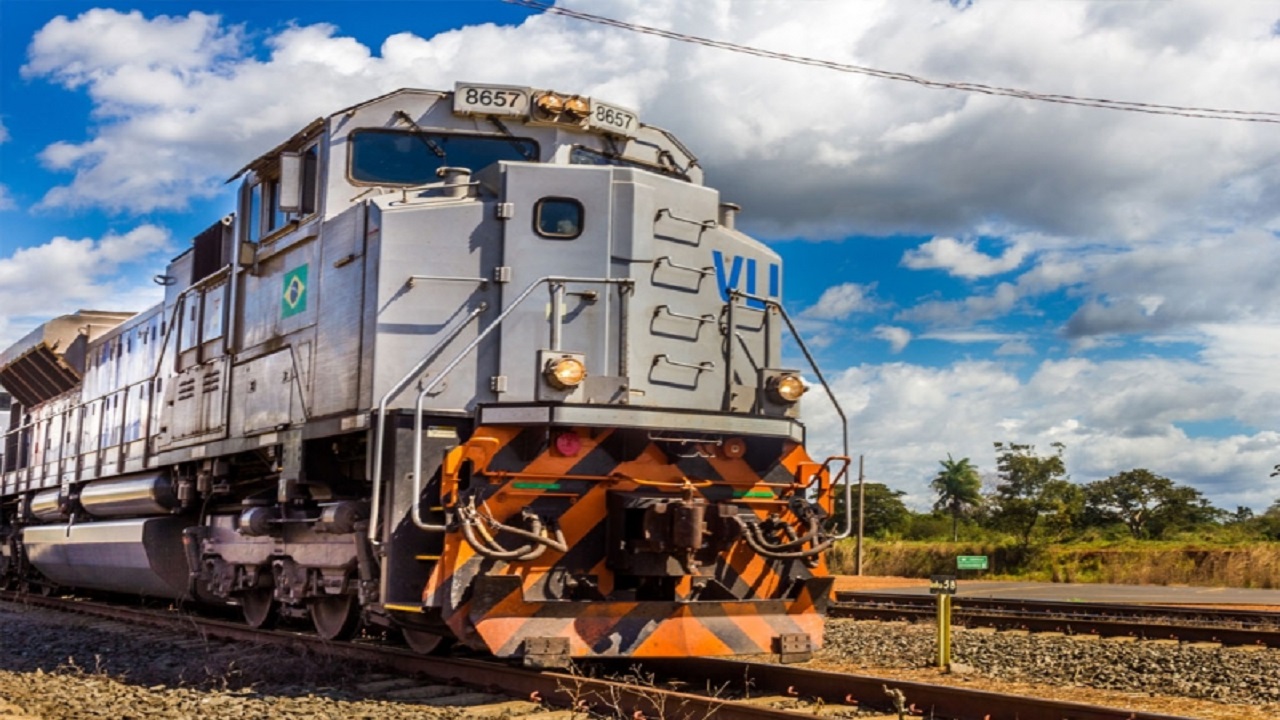

Seeking Better Efficiency in Railway Operations, VLI Developed a Technology That Reduces Fuel Consumption in Locomotives. The Technology Reduced Consumption by Almost One Million Liters, Just Last Year
VLI, a logistics solutions company that integrates terminals, railroads, and ports, created a tool called Fuelytics, which makes it possible to reduce fuel use and harmful gas emissions in railway operations. With the new technology, just in 2020, VLI reduced diesel consumption by 940 thousand liters and about 2.8 thousand tons of CO2 emitted into the atmosphere.
Read Also
VLI’s Railway Operations Tool Started in 2019
According to VLI’s Innovation Manager, Alexandre Galloti, the company is highly committed to its contribution to a strong evolution in logistics and focuses its efforts on creating sustainable tools and solutions that benefit railway operations, the environment, and society.
-
Latin America’s Largest Port Invests $400 Million in Rail System with Trains Up to 2.4 Kilometers Long
-
New Smart Radar Begins Issuing Fines to Solo Drivers in Carpool Lanes, Uses Cameras to Count Occupants, Changing Traffic Enforcement Rules on Busy European Roads

-
Why can the crane operator only obey the correct signalman on the construction site: among dozens of workers, a hand raised by the wrong person can confuse the maneuver and turn a load of tons into an immediate risk.
-
What changes with the new public transportation rules that can reduce pressure on fares and pave the way for zero fare in Brazil?

In this context, the company takes great pride in contributing to the emergence of a project like Fuelytics, which was incubated and encouraged through the Inova VLI intra-entrepreneurship program.
Fuelytics began in mid-2019 when it was submitted to the company’s main innovation program, Inova VLI. A year later, the fuel reduction project was more evolved and qualified by feasibility tests, and once approved, it began to be gradually implemented in all railway operations where the company operates.
How Does the VLI Railway Operations Tool Work?
In practice, through operational information, such as that found in onboard computers of locomotives, using mathematical modeling, it is possible to discover statistical correlations and find variables with potential efficiency gains, prioritize actions that enable those gains, and also measure them.
With the measurement of impactful variables, there is also the possibility to direct investments in permanent ways that can achieve efficiency gains and a consequent reduction in fuel use and CO2 emissions.
Other variables considered in the formula are the way the vehicle is driven, the need for locomotive maintenance, and the profile of the route traveled, among other components that, directly or indirectly, impact the performance vs. consumption relationship.
850 Thousand Liters Saved from January to August This Year
According to Larissa Camargo, Engineering Process Analyst and one of the main collaborators responsible for the conception of the railway operations tool, which was developed in partnership with a multidisciplinary team of company professionals, Fuelytics is a management tool, a solution for optimizing the energy efficiency of locomotives, and not just an embedded technology.
Between January and August 2021, Fuelytics was able to save at least 850 thousand liters of fuel, consequently contributing to the reduction of CO2 emissions.
According to another team member, Gabriela Brandão, the new tool is continuously being improved. New methodology revisions provide VLI with opportunities to find other improvements in fuel consumption, often with specific directions to meet the needs of each logistics corridor.