Portuguese
  Spanish


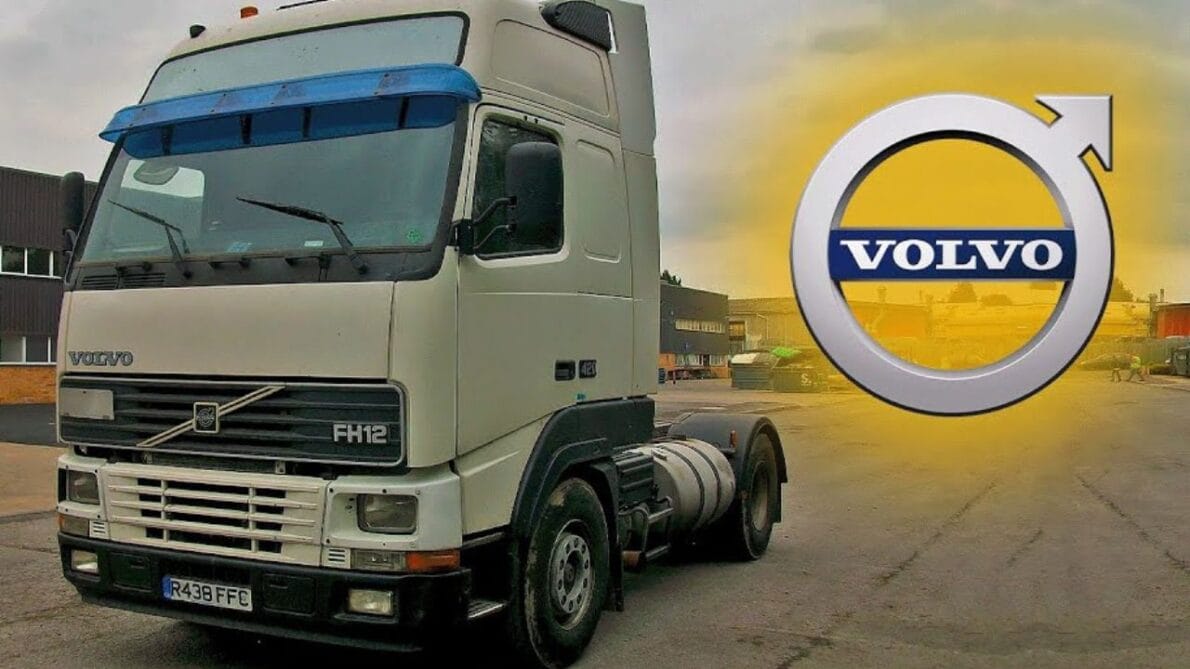

The Volvo FH12 Conquered The Brazilians And Revolutionized The Truck Market
When we talk about trucks that marked an era in Brazil, the Volvo FH12 is a name that always stands out. This truck not only brought technological innovations but also changed the face of Brazilian roads with its unique and advanced design.
Since the beginning of its history in Brazil, the company had already secured its place in the heavy segment. The Volvo FH12 was the first truck of the famous FH line in Brazil, and its impact was so great that it transformed the market for flat-nosed trucks, which had previously been dominated by models with a retracted cabin.
Volvo FH12 Arrived In Brazil


In 1993, the Volvo FH12 arrived in Brazil, bringing an innovative appearance with its advanced cabin, sloped windshield, and smooth surfaces that helped reduce aerodynamic drag. Additionally, the cabin provided unparalleled comfort, mounted on a pneumatic chamber with shock absorbers to reduce vibrations.
-
End of an era in Brazil: beloved sedan by Brazilians is discontinued despite having a 2.0 engine with 151 hp, CVT transmission, 466-liter trunk, and up to 650 km of range.

-
New Law Proposal in Brazil Could Heavily Penalize Drivers: Dangerous Overtaking May Become a Serious Offense with Fines Increased Tenfold and a 12-Month License Suspension; Update on 2026 Progress

-
Electric Revolution: Watts W125 Motorcycle Offers 160 km Range, 90 km/h Speed, and Affordable Price Starting at $3,000
-
General Motors Replaces Over a Thousand Workers with 50 Cobots at Electric Vehicle Plant, UAW Union Criticizes Move Amid Industry’s Automation Push



The first models of the Volvo FH12 imported to Brazil arrived in November 1993, and soon stood out for their quality and innovation. Powered by a D12A engine with 12 liters, six inline cylinders, and 380 horsepower, the truck offered superior performance and exceptional handling.
Success
The company spared no effort to ensure the success of the Volvo FH12. One billion dollars were invested in the production of the model, the largest investment for building a truck at the time. This investment not only ensured the quality of the truck but also consolidated Volvo’s presence in the Brazilian market.
Pneumatic Rear Suspension And A More Efficient Engine
In 1998, the manufacturer decided to nationalize the Volvo FH12, bringing improvements such as the pneumatic rear suspension and a more efficient engine. The nationalization allowed Volvo to adapt the truck to the specific needs of the Brazilian market, maintaining its leadership in the heavy segment.
Volvo FH12 Remains One Of The Most Respected Trucks
Even after decades since its launch, the Volvo FH12 continues to be one of the most respected and admired trucks in Brazil. Its contribution to the popularization of advanced cabin models is undeniable, and its legacy remains alive on the Brazilian roads.
The Volvo FH12 was not just a milestone for the company, but also for Brazilian road history. Its impact and innovation transformed how truck drivers and transport companies viewed flat-nosed trucks, establishing a new standard of quality and performance.
If you have ever had the opportunity to work with a Volvo FH12, share your experiences and opinions in the comments. This truck surely left an indelible mark on the lives of many professionals behind the wheel.