Portuguese
  Spanish


Volvo Launches Unprecedented Engine With Start-Stop System In Heavy Trucks, Reducing Fuel, CO2, And Bringing Advanced Safety Features On The Roads.
Volvo Trucks announced an unprecedented innovation in the heavy transport sector. The Swedish company revealed the world’s first truck engine with start-stop technology. The feature aims to reduce fuel consumption and CO2 emissions, reinforcing the manufacturer’s decarbonization strategy.
How The Technology Works
The system is based on the already known I-See and I-Roll technologies. The engine is temporarily shut off during descents, resuming operation smoothly and automatically, without driver intervention. Additionally, the technology analyzes the topography and road conditions to identify the best moment to act.
The new generation of these technologies activates at speeds above 60 km/h. Thus, the engine operates more efficiently, leveraging the kinetic energy of the truck and reducing waste.
-
End of an era in Brazil: beloved sedan by Brazilians is discontinued despite having a 2.0 engine with 151 hp, CVT transmission, 466-liter trunk, and up to 650 km of range.

-
New Law Proposal in Brazil Could Heavily Penalize Drivers: Dangerous Overtaking May Become a Serious Offense with Fines Increased Tenfold and a 12-Month License Suspension; Update on 2026 Progress

-
Electric Revolution: Watts W125 Motorcycle Offers 160 km Range, 90 km/h Speed, and Affordable Price Starting at $3,000
-
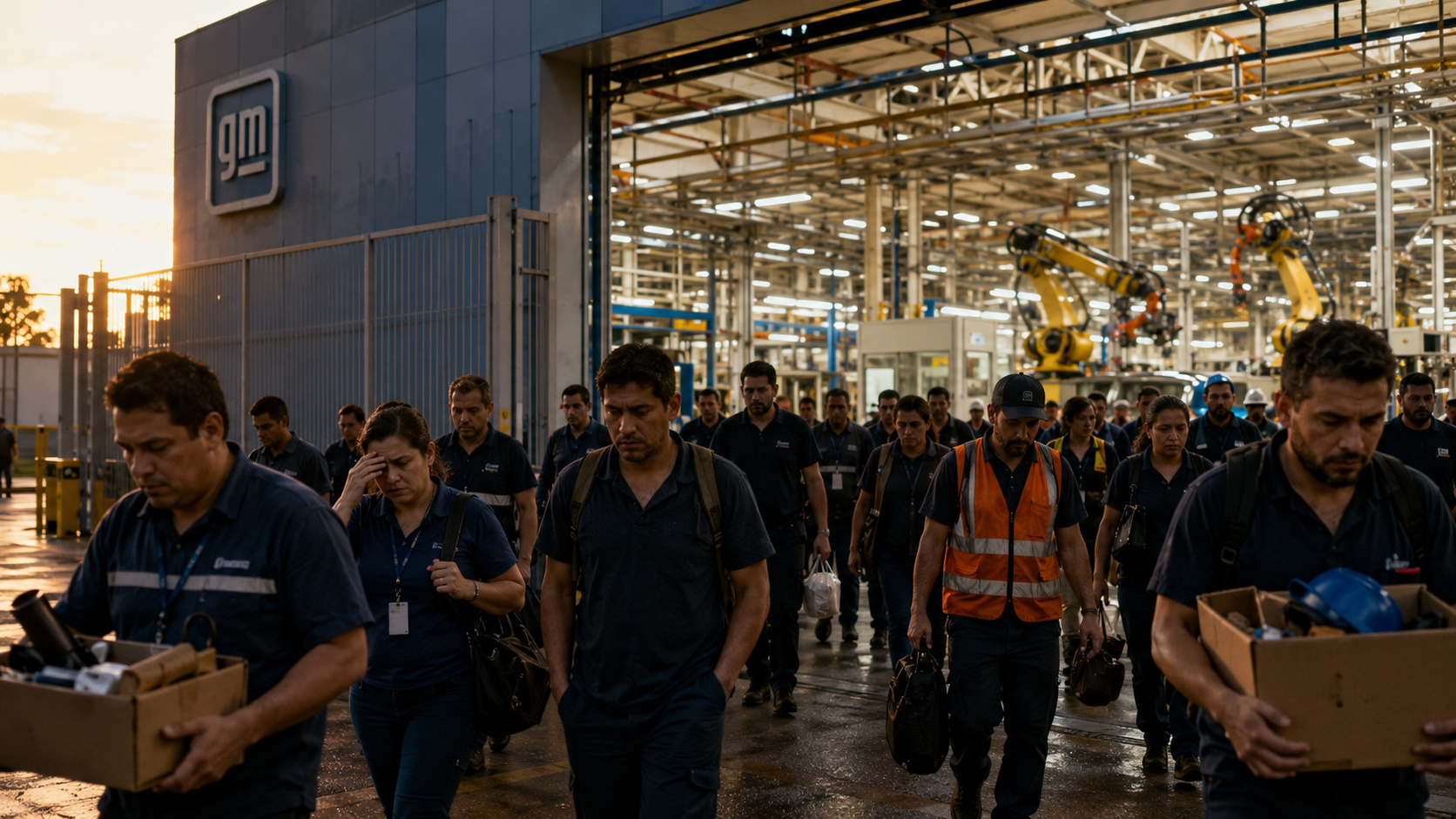
General Motors Replaces Over a Thousand Workers with 50 Cobots at Electric Vehicle Plant, UAW Union Criticizes Move Amid Industry’s Automation Push


Integration Details
According to Volvo, I-See predicts when an ascent is approaching and adjusts speed before the incline. During the climb, the system uses stored information to avoid unnecessary gear shifts, ensuring a smoother transition.
Before an elevation, I-See activates Eco-Roll, which disengages the transmission and allows the truck to roll freely. This saves energy and decreases brake usage. At the end of the descent, the system applies the engine brake at the ideal moment or maintains momentum, depending on the road.
The system also takes into account curves, roundabouts, and even traffic ahead. To do this, it utilizes high-resolution maps that allow for calculating the best driving strategy. When cruise control is activated, I-See manages gears, acceleration, braking, and free-rolling, forming part of the I-Save package.
Company Statements
Jan Hjelmgren, Head of Product Management at Volvo Trucks, emphasized the importance of innovation. “Our engineers have done it again – innovating with a new engine technology that helps make truck transportation more fuel-efficient,” he stated.
He reinforced that the measure integrates the company’s decarbonization strategy. “We will continue to innovate to make our combustion engines even better and reduce our environmental impact,” he added.
Market Availability
The new feature will be offered in the Volvo FH and FH Aero models, both equipped with a 13-liter diesel engine. The company confirmed that customers will be able to order the new feature starting in September 2025.
In addition to this innovation, Volvo recently launched an updated dynamic steering system aimed at increasing driver safety. The new Volvo Dynamic Steering can detect a front tire blowout and automatically mitigate the impact in fractions of a second. This helps the driver maintain vehicle stability even in critical situations.
Safety On The Roads
According to the manufacturer, the system reduces lateral forces caused by a sudden loss of air pressure. Thus, it avoids risks of loss of control in the event of a flat tire.
Combining energy efficiency and safety, Volvo reinforces its leadership position in heavy transport technology. The strategy remains aligned with the pursuit of sustainable and safer solutions on the roads of the future.