Portuguese
  Spanish


Study with over 1 million American veterans shows a 38% drop in severe cardiovascular events linked to Covid-19, with stronger benefits among the elderly and people with comorbidities
The updated Covid-19 vaccine reduced the risk of severe cardiovascular events associated with the disease by about 38%, such as heart attack, stroke, heart failure, and cardiovascular death, according to a study published last Monday, June 15, in JAMA Internal Medicine.
The result was particularly noteworthy among people over 75 years old. In this group, the reduction in cardiovascular events reached 50.7%, according to researchers from the U.S. Department of Veterans Affairs and Washington University in St. Louis.
Study evaluated over 1 million American veterans
The research analyzed electronic records of more than 1 million American war veterans who received the flu vaccine between September and December 2024.
-
Advancement in science: a new plastic developed by researchers in the USA combines structural strength and thermal blocking in a single technology, opening new possibilities for construction, transportation, electronics, and sustainable solutions with a direct impact on global energy efficiency.

-
A 17-year-old student created an artificial intelligent trash can that moves by itself through schools and parks, finds trash, separates waste with 90% success, and turns recycling into an automatic, mobile task that is harder to ignore in busy public spaces.

-
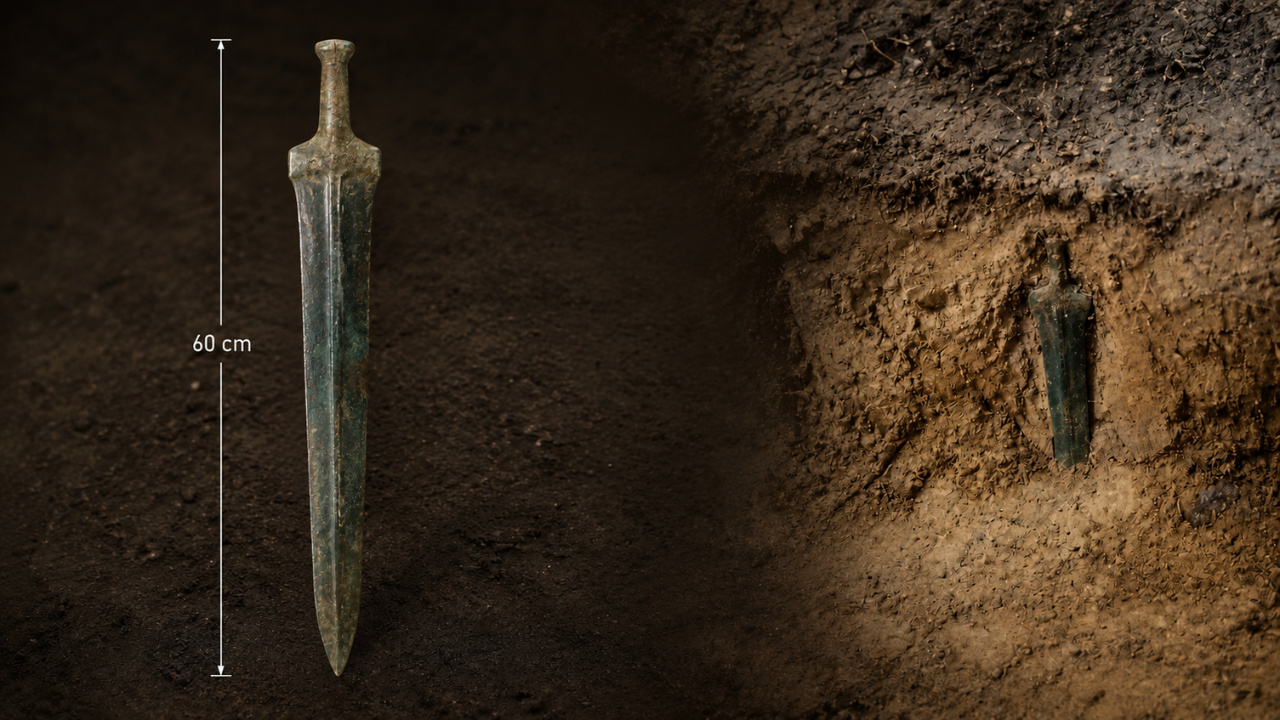
Detectorist finds 2,700-year-old bronze sword embedded vertically in forest in Poland; artifact may reveal ancient Bronze Age ritual
-
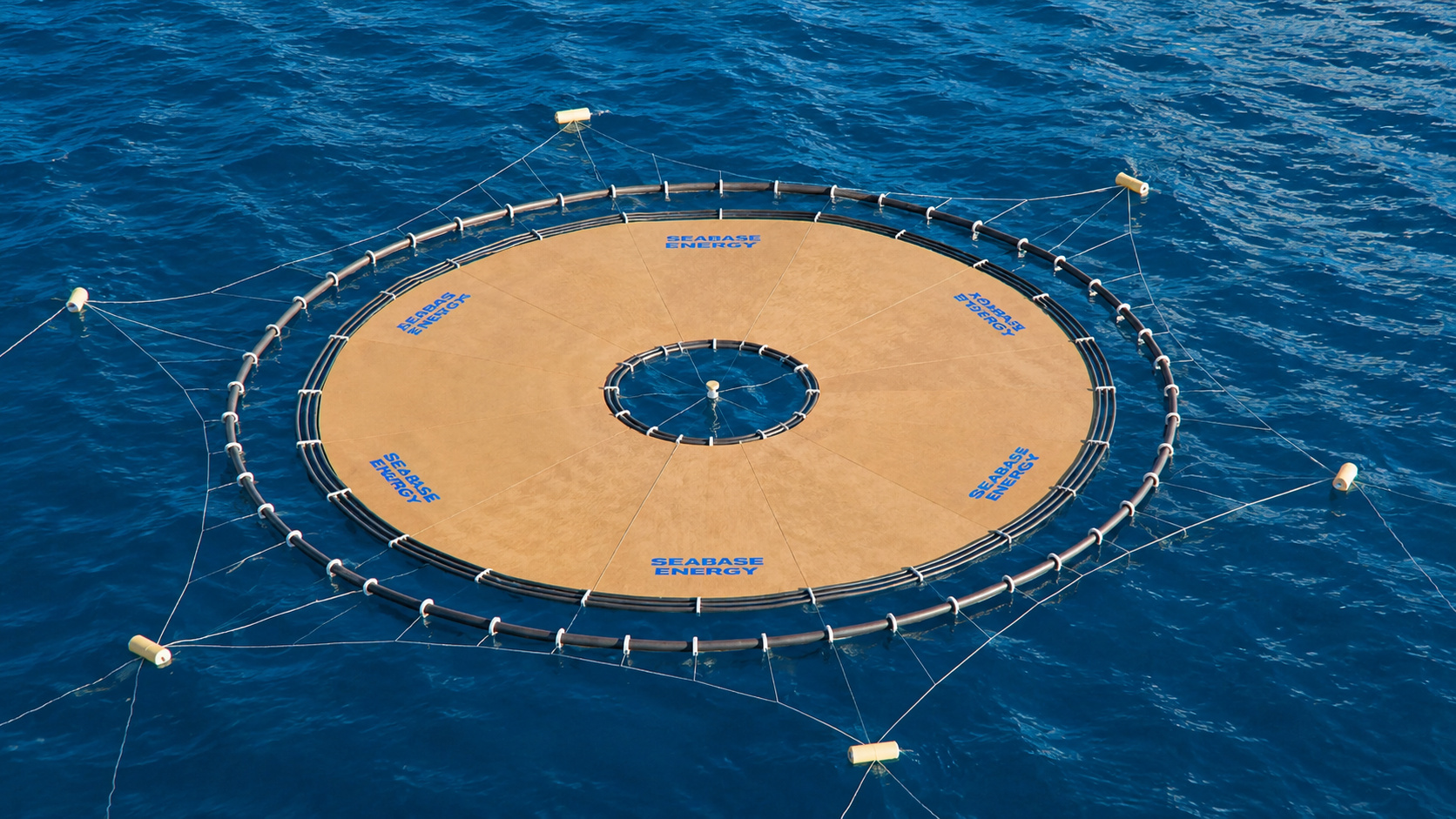
At the bottom of the Mediterranean, Italian engineers have sunk a “plant” in the shape of a giant donut that uses the ocean’s own weight to store energy, storing electricity generated by wind and sun at the sea floor and returning it to the grid without dams, mountains, or chemical batteries.


Of this total, 349,085 people also received the Covid-19 vaccine on the same day. The comparison was used to reduce the so-called “healthy vaccinee bias”, as vaccinated people may generally have better health behaviors.
The participants received the 2024-2025 formulations of the Covid-19 vaccines. Most received doses from Moderna, with 65.4% of the records. Pfizer-BioNTech accounted for 34.1%, while Novavax appeared in 0.5%.
The study was funded by the U.S. Department of Veterans Affairs. Additionally, the authors declared no conflicts of interest.
Heart attack, stroke, and heart failure were monitored
During up to eight months of follow-up, researchers observed four severe cardiovascular outcomes related to Covid-19.
Among them were death from cardiovascular event, acute myocardial infarction, stroke, and hospitalization for heart failure.
According to the study, for every 10,000 vaccinated people, about two severe cardiovascular events associated with Covid-19 were prevented, compared to the group that only received the flu vaccine.
Additionally, when all cardiovascular events were considered, and not just those confirmed to be linked to Covid-19, the number rose to approximately 24 events prevented per 10,000 people.

Benefit was greater in the elderly and patients with pre-existing conditions
The average age of participants was 70 years. Even so, the most significant effect appeared among people over 75 years, a group in which there was a 50.7% reduction in cardiovascular events.
In other age groups, the results were not statistically significant. Therefore, it is not possible to confidently state that the vaccine protected these groups against cardiovascular episodes.
The study also showed significant relative efficacy in people with and without comorbidities. However, the absolute benefit was greater in individuals with pre-existing conditions.
The conditions mentioned included cardiovascular disease, chronic kidney disease, chronic lung disease, diabetes, and immunosuppression.
In a population of 1 million people, the authors estimate that vaccination could prevent about 1,580 deaths and 2,370 adverse cardiovascular events in eight months.
Why the vaccine may protect the heart
The research indicates that infection by SARS-CoV-2 can trigger processes of inflammation and coagulation in the body.
These mechanisms damage blood vessels and increase the risk of clot formation. These clots can cause a heart attack or stroke.
Thus, by reducing the severity of the infection, the vaccine also decreases the mechanisms linked to vascular damage.
Researchers urge caution in interpreting the data
Despite the results, the authors emphasize that the study is observational. Additionally, the analysis was conducted only with American veterans, a predominantly white, male, and elderly group.
The researchers also state that the current efficacy is lower than that observed in the early years of the pandemic. The explanation involves the evolution of the virus, immunity acquired from previous infections, and the lower frequency of testing.
Even so, the study reinforces that some cardiovascular complications caused by Covid-19 may occur in people who do not test positive for the disease.