






 Portuguese
  Spanish


Competitor App Attracts Users By Allowing Sending Of Images And Videos In High Definition, In Addition To Prioritizing Privacy And Integration With Other Services; Changes In The Digital Scenario Challenge WhatsApp Leadership In Brazil.
The scenario of instant messaging apps is undergoing significant changes in 2025, as new user demands drive the search for more advanced alternatives.
Despite the wide leadership of the WhatsApp in Brazil, iMessage, the messenger developed by Apple, has been gaining space in international markets and stands out for offering superior media quality, privacy, and integration into the iOS ecosystem.
According to a recent survey by PcMag, about 26% of Americans are already opting for iMessage instead of the traditional rival from the Meta Group, which represents approximately 86 million people in the United States.
-
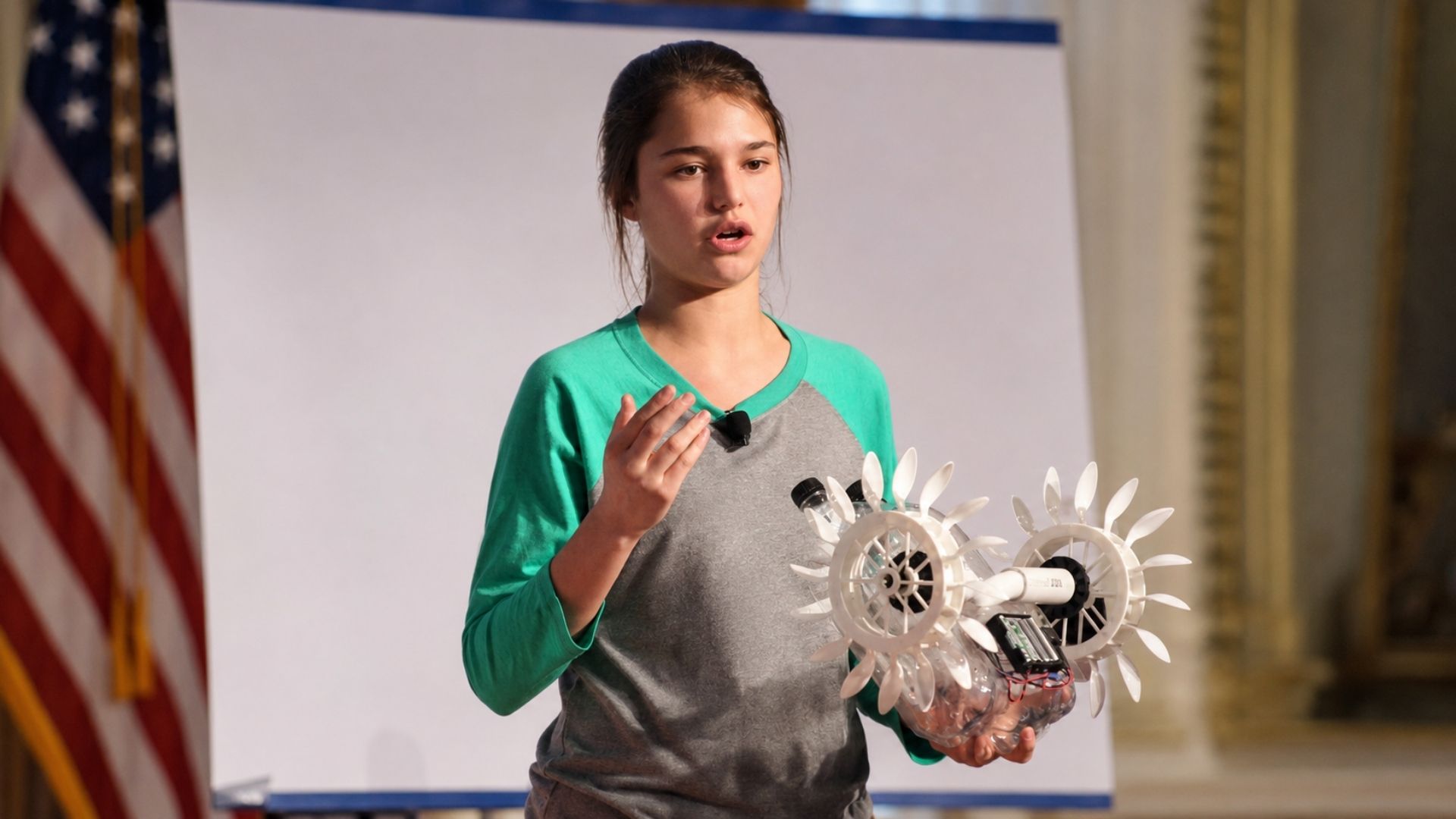
15-Year-Old American Builds Ocean Generator with PVC Pipe and 3D-Printed Propeller for $12, Wins National Prize, Presents at White House, and Makes Forbes 30 Under 30 List

-
$12 Billion Invested in AI Data Centers in Semi-Desert Mexican State, But 17 of 18 Municipalities Now Face Water Shortages, Residents Receive Water Only 3 Days a Week
-
How Much Does Starlink Satellite Internet Cost for Cars, Trucks, and RVs? Prices for Antenna, Accessories, and Plans

-
Scientists Convert Food Waste into Aviation Fuel, Successfully Test 50% Blend with Conventional Kerosene to Cut Emissions and Promote Sustainable Flights



Sending High Definition Photos And Videos: Quality Difference
Among the main differentiators leading to preference for iMessage is the ability to send high definition photos and videos without suffering significant quality compression.
In Apple’s app, image sending occurs with preservation of original metadata and location, unlike WhatsApp, which still reduces the resolution of images sent by most users, except for submissions via “HD” mode, which is still in limited testing as of July 2025.
As for videos, another sensitive point for those prioritizing visual quality, they can be shared via iMessage in their original resolution, limited to 100MB per file, while WhatsApp maintains a restriction of 16MB and considerable compression, hindering the experience in many cases.
Integration With FaceTime And Full HD Video Calls
The integration with FaceTime further enhances the value of iMessage for those seeking high-quality video calls.
Video calls via FaceTime can be made in Full HD (1080p), meeting the demands of professionals and connected consumers who value clarity and stability, while reports indicate that the quality of calls on WhatsApp remains inferior in this regard.
The combined use of iMessage and FaceTime forms a duo that benefits the Apple ecosystem, bringing features considered premium by users of Android smartphones or other operating systems.
Privacy: Highlight In The Apple App
Another aspect contributing to the popularity of iMessage is the increased focus on privacy.
The app does not display information such as “last seen” or “online,” features present in WhatsApp since its inception and which only recently began to have more restrictive display options.
As a result, iMessage users report feeling greater control over their online presence and less exposure to demands or expectations for immediate response.
Digital privacy, in fact, has been one of the keywords for the popularization of iMessage, especially in markets like the United States, Canada, and some Western European countries.
Companies and technology professionals emphasize that Apple’s messenger has implemented end-to-end encryption since 2011, both for individual messages and in group chats, something that was only fully universalized in WhatsApp starting in 2016.
Moreover, by operating exclusively on Apple devices — such as iPhones, iPads, Macs, and Apple Watches — iMessage is part of a closed ecosystem, which, in the view of experts, makes external attacks and mass data leaks more difficult.
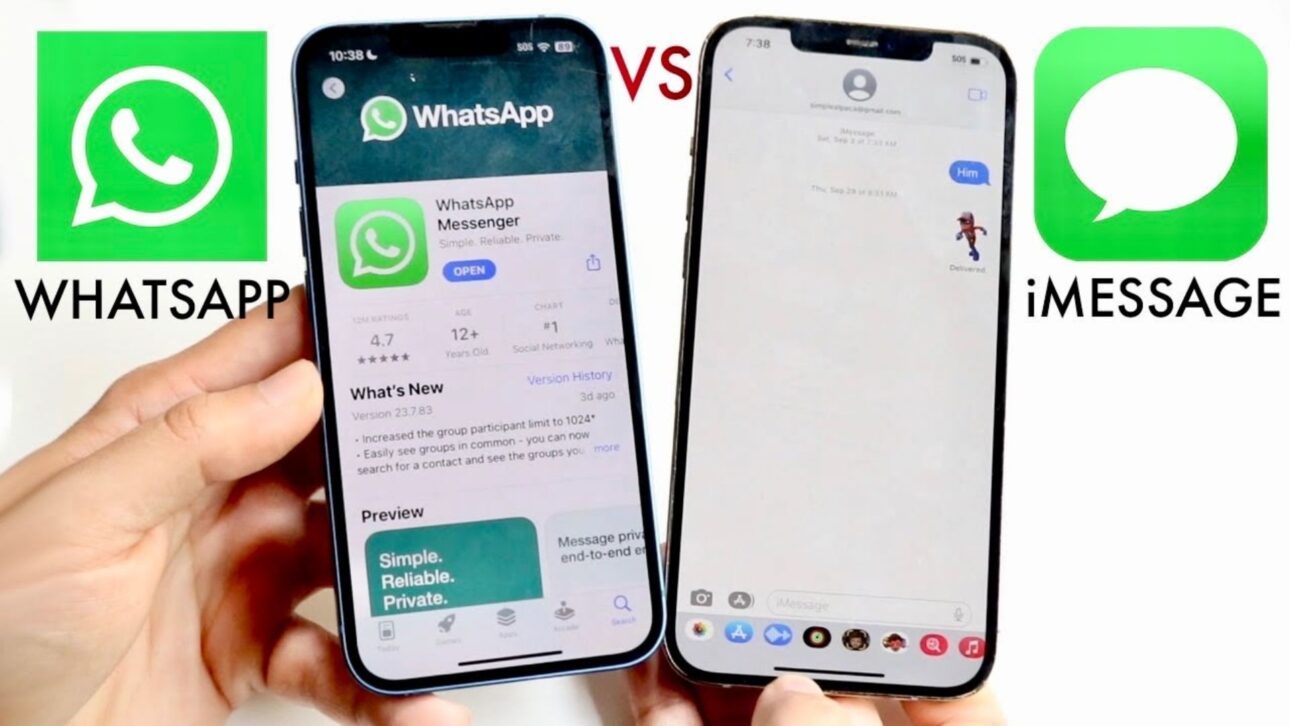
Limitations Of iMessage In Brazil And Comparison With WhatsApp
On the other hand, the wide adoption of WhatsApp in Brazil, where the app is present on approximately 99% of smartphones, restricts the growth of alternatives like iMessage.
Apple’s messenger remains restricted to brand devices, preventing its popularization among Android users, the operating system that leads the national and global market.
According to the Brazilian Institute of Geography and Statistics (IBGE), over 82% of mobile phones in use in the country run Android, restricting iMessage’s reach to a minority of users.
The low popularity is not the only limitation perceived by Brazilians trying to migrate to iMessage.
One of the criticized points is the experience with audio messages: in Apple’s app, audio disappears after two minutes by default, the recording interface is considered less intuitive, and the shortcut prioritizes text dictation, while WhatsApp values the sending of voice messages, making this format more accessible and practical for the national audience, where audio has consolidated as a trend since 2017.
In addition, iMessage maintains a restricted limit for group creation, accepting a maximum of 32 participants per conversation.
In comparison, WhatsApp allows up to 1,023 members in each group, while Telegram can support up to 200 thousand members, expanding possibilities for communities, businesses, schools, and social movements.
These restrictions on iMessage directly affect the experience of users who rely on group conversations, whether personal or professional.
Exclusive Features And User Experience
The absence of features like message scheduling, organization of conversations by folders, and creation of custom emojis also places iMessage behind competitors when it comes to personalization.


While WhatsApp and Telegram innovate by offering these options, facilitating the routine of users managing multiple contacts and groups, Apple’s messenger maintains a more conservative approach.
Market Trends And WhatsApp Sustainability
Technology experts point out that, despite the advances of iMessage and the growing emphasis on privacy, media quality, and integration with video services, WhatsApp still remains an indispensable tool in Brazil due to its massive reach and compatibility with multiple operating systems.
The national preference is reinforced by the offering of features that cater to the profile of Brazilian users, characterized by audio communication, participation in large groups, and ease of use even in less stable internet connections.
The advancement of messenger features reveals a global trend toward valuing privacy and quality in the exchange of digital files, but Brazilian public choices are still determined by factors such as accessibility, usability, and compatibility across different devices.
The Question Remains: How Long Will WhatsApp’s Hegemony Last Against Rivals That Invest More And More In Privacy, Innovation, And User Experience?






Aposto que é uma opção pro Xandão conseguir usar. Kkkk