






 Portuguese
  Spanish


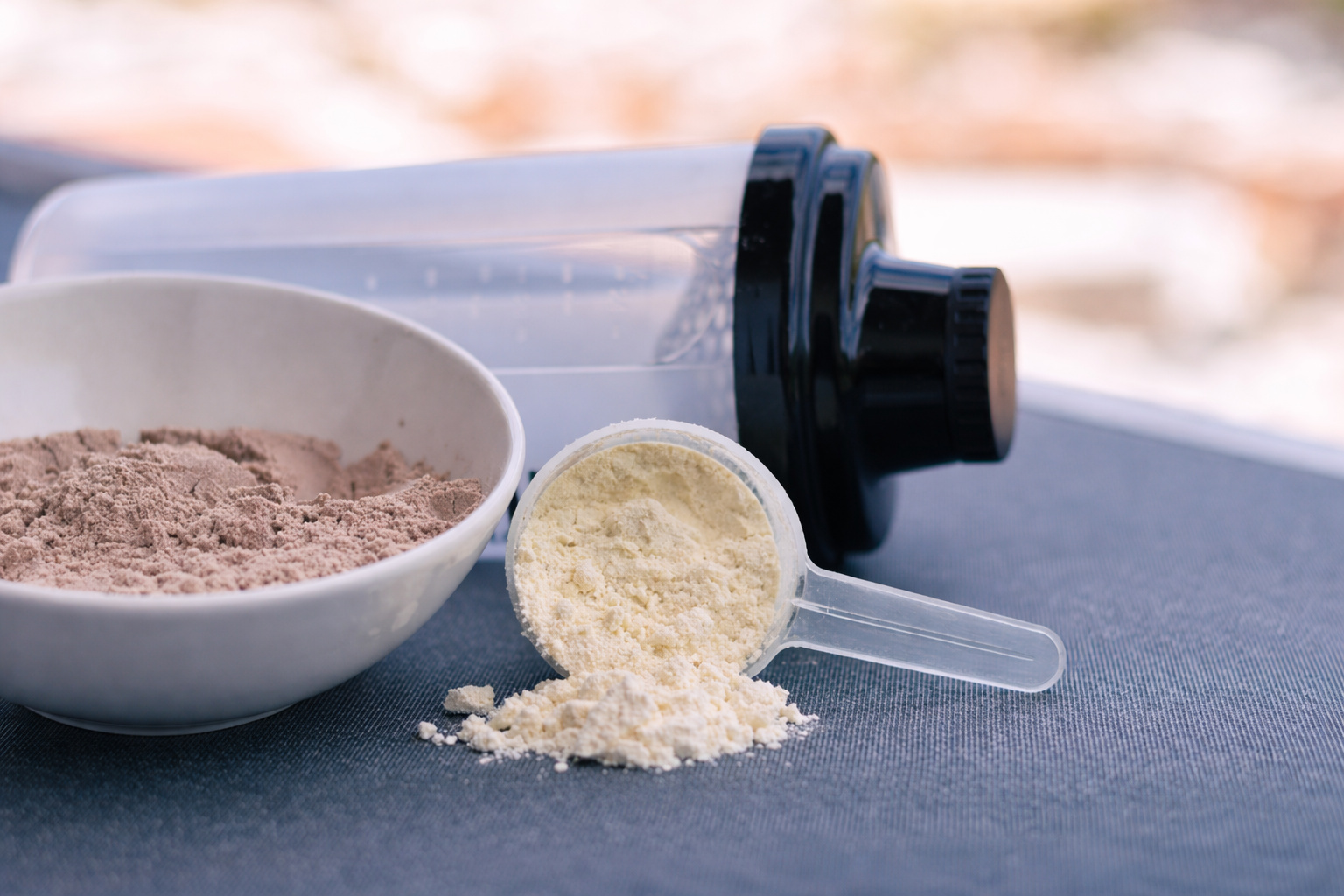

The Growth in Supplement Use Redefines Eating Habits and Raises Medical Alerts About Little-Noticed Risks
The consumption of Whey Protein has significantly increased in Brazil in recent years, driven by the popularity of high-protein diets.
This trend has gained momentum even in a scenario where most of the population already meets the recommended daily intake through conventional food.
Nonetheless, the supplement has begun to occupy a central place in the routines of millions of people.
Data released in 2022 by the Brazilian Association of the Food Industry for Special Purposes and Similar Products (Abiad) indicates a 25% increase in Whey Protein consumption in just one year.
This advancement, while reflecting a global trend, also exposes risks associated with excessive use without proper professional guidance.
UFMG Specialist Points to Direct Impact on the Kidneys
The alert gained prominence after statements from doctor Josemar de Almeida Moura, a professor at the Department of Clinical Medicine at the Federal University of Minas Gerais (UFMG).
During a guest appearance on the podcast Health with Science, the specialist explained that the human body wasn’t designed to continuously handle large volumes of concentrated protein.
-
A Brazilian city decided to purchase a piece of the Atlantic Forest with more than 153,000 square meters, and owners of preserved areas will be able to submit proposals to transform the forest into a conservation unit.

-
Brazilian siblings aged 11 and 7 read 240 books in just one year and caught attention on social media: while many children spend hours on screens, they turned their family’s routine into an example of reading, discipline, and curiosity.
-
The legendary oak that, according to the story, hid Robin Hood from the Sheriff of Nottingham, died at the impressive age of 1,200 years in England, and the first chilling sign of its end was that no leaves sprouted on the tree this spring.

-
While the world looks at forests, the UN warns that the Earth is also threatened by the silent degradation of natural grasslands and savannas, ecosystems that cover half of the planet, support billions of people, and can exacerbate water, food, and climate crises.


According to the professor, the kidneys are directly affected, as they take on the role of filtering excess circulating protein.
When this overload becomes frequent, the organ may suffer progressive damage, especially in individuals with pre-existing conditions.
Risk Increases in People with a History of Kidney Problems
The scenario becomes more delicate when high consumption occurs in people with hypertension, previous kidney injuries, or predisposition to nephropathy.
In these cases, as Moura explained, the risk of developing chronic kidney disease over time significantly increases.
Moreover, the continuous use of the supplement may mask initial symptoms, making it harder to recognize the problem.
This factor makes medical monitoring even more relevant, especially in prolonged dietary practices.
Daily Protein Limit Requires Attention and Professional Guidance
According to the UFMG specialist, the daily protein intake should not exceed 30% of the total calories consumed.
Therefore, the inclusion of Whey Protein in the diet needs to occur with individualized medical and nutritional guidance, respecting each person’s metabolic profile.
Despite its convenience, the supplement is not essential to achieve adequate protein intake.
A balanced diet, based on natural sources, is still sufficient to meet the body’s needs in most cases.
Balanced Diet Reduces Risks and Avoids Unnecessary Use
The growth of Whey Protein reflects a search for quick results, but not always safe.
Specialists emphasize that the supplement should be treated as a specific resource, and not as a dietary rule.
When used indiscriminately, Whey stops being an ally and becomes a silent risk to kidney health.
This scenario highlights the importance of qualified information, conscious choices, and ongoing professional supervision.
In light of this context, do you believe that the use of supplements should be more regulated or that consumer awareness is sufficient to avoid health risks?







