Portuguese
  Spanish


According to the company itself, the volume moved between 2021 and 2025 exceeded 11 million tons, in 156 trips per year, which would be equivalent to removing 82 thousand trucks from the highways. The numbers are from the company and reflect the growing investment in cabotage as an alternative to road transport.
While Brazilian highways are dealing with an excess of trucks, the navigation company Norsul claims to have removed 82 thousand trailers from the roads of Santa Catarina in one year, by transporting about 6.7 thousand tons of cargo per day by sea from the port of São Francisco do Sul. The data is from the company itself and was released regarding its cabotage operation in the state.
The number is linked to the cargo that stopped circulating on wheels. According to information released by NSC Total, between 2021 and 2025 the company moved more than 11 million tons having São Francisco do Sul as the destination, in 156 trips over the last year. The mark of 82 thousand trailers is the company’s calculation for road trips replaced by cabotage, the transport of goods between ports of the same country, and the numbers, all originating from the company, reflect the advancement of this model as an alternative to truck transport.
82 thousand trailers less on SC highways
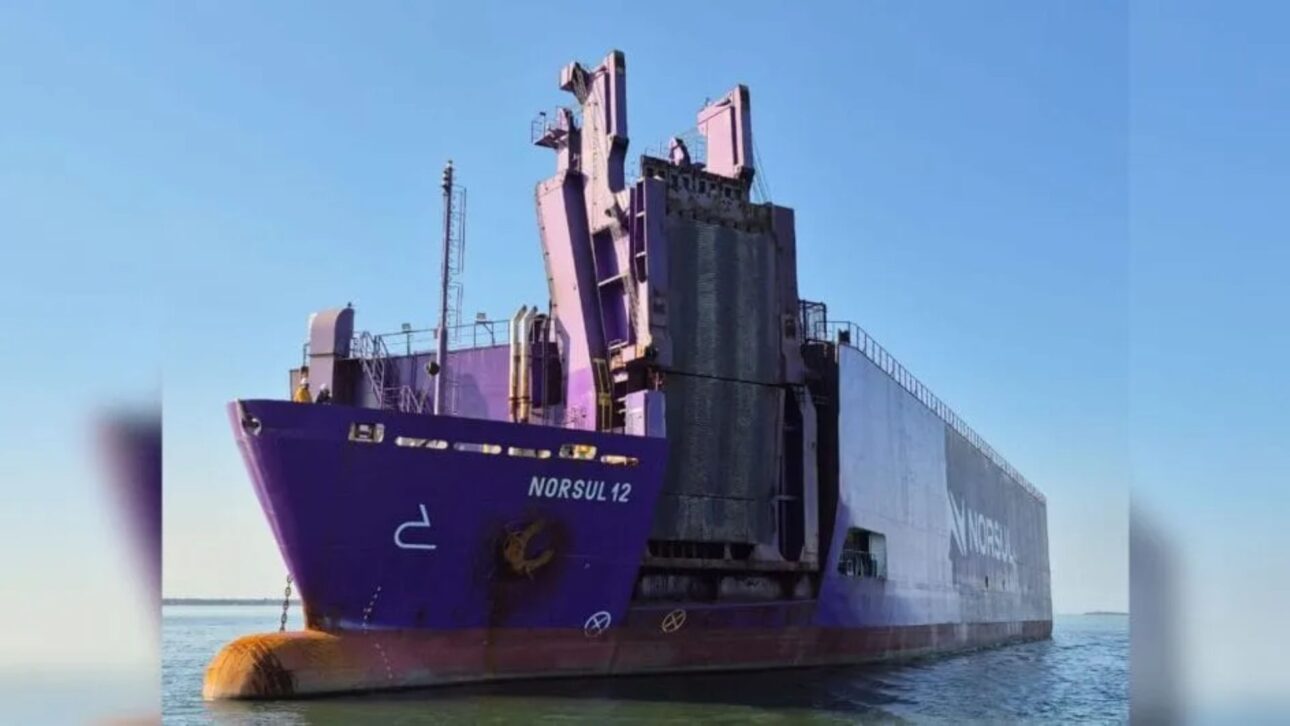
The most impactful data is the trailers that stopped circulating. According to Norsul, the cabotage operation in São Francisco do Sul prevented the circulation of more than 82 thousand trailers on the roads over a year. In practice, the cargo that traveled by sea would otherwise require this number of road trips, which translates into fewer trucks on the highways of Santa Catarina.
-
She spent 73 years breathing inside an iron lung, survived the aftereffects of polio, and became the last woman in the United States dependent on the equipment before dying at 78 years old.

-
Brazilian students created a $1 filter using pine bark, cotton, and 3D-printed parts to clean cassava wastewater, reduce the toxicity of a hazardous waste, and transform contaminated water into biofertilizer.

-
Astronaut from Artemis II steps down after mission to the Moon and decision surprises after a record of 406,771 km, a historic 10-day journey, and an unprecedented achievement for Canada.

-
A fossil kept for years in a small museum in Montreal concealed 450-million-year-old soft tissue, a discovery that has only happened once before in history.


This volume has a significant daily average. According to the company, the movement corresponds to about 6.7 thousand tons transported per day. The number is from the company itself and is presented as the equivalent in trucks removed from the roads, a way to measure the impact of cabotage navigation on road transport.
The growth of volume between 2021 and 2025
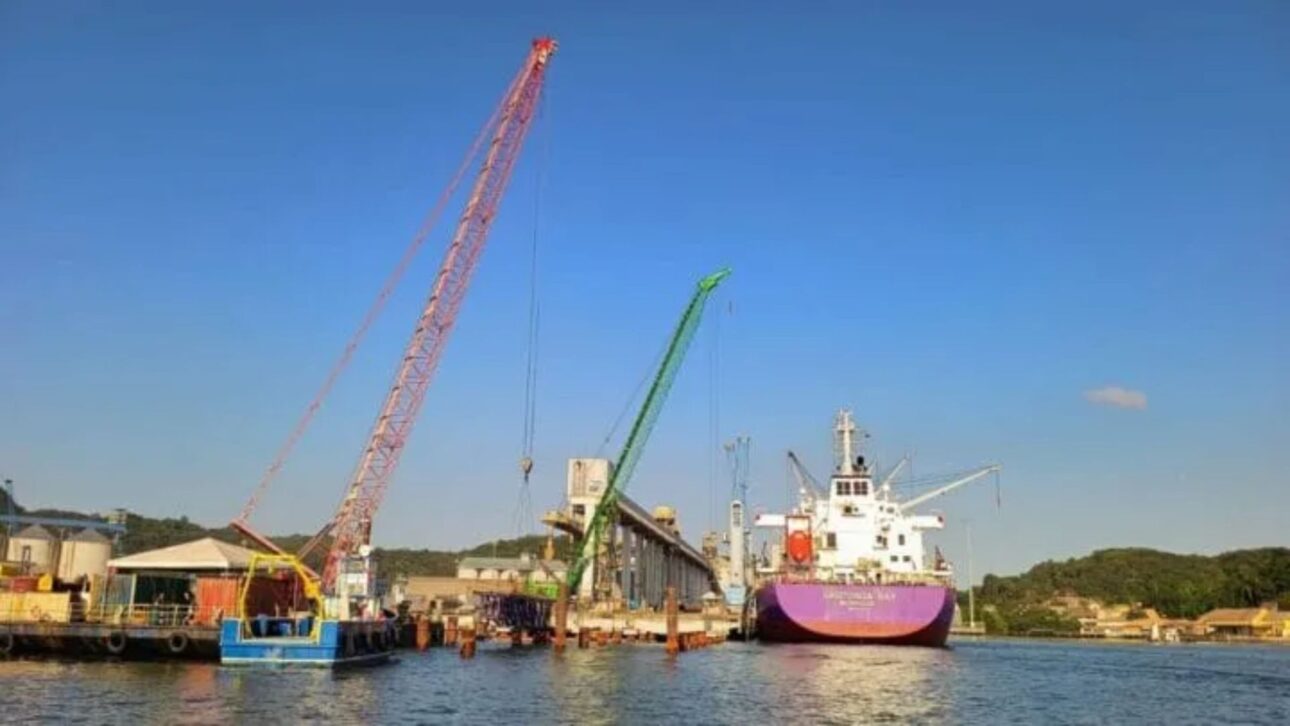
The movement at the port did not happen all at once. Between 2021 and 2025, Norsul moved over 11 million tons of cargo with São Francisco do Sul as the destination, according to data released by the company.
During the period, the annual volume continued to rise. The total transported each year grew from 2.16 million to 2.46 million tons, reaching, in the last year, the highest level the company claims to have recorded in the municipality, in 156 trips. Each of these maritime crossings represents, in Norsul’s accounting, a load that did not need to travel by trucks on the highways.
Cabotage as an alternative to road transport
The operation is part of an expanding logistics model in the country. Cabotage, the transport of cargo between ports of the same country, has been gaining ground as an alternative to road freight in Brazil. By moving large volumes by sea, this model reduces the number of trucks needed to connect distant regions.
The company presents itself as a reference in the sector, but the picture requires context. Norsul positions itself as one of the main operators in the field, and the numbers it publishes point in that direction. Even so, it is worth remembering that these are the data of a single company at a single port, and that road transport remains dominant in the country, even with cabotage growing and the promise of easing truck traffic.
Norsul’s trajectory in São Francisco do Sul
The company’s presence in the municipality is long-standing. For more than 23 years in São Francisco do Sul, Norsul has established one of its main operational bases in Brazil in the city considered the oldest in Santa Catarina. In total, the company has been operating in Brazilian navigation for more than six decades.
The scope of the operation goes beyond the Santa Catarina port. With one of the largest private fleets in the country, Norsul works in maritime transport of solid and liquid bulk, general and project cargo, connecting the main ports of Brazil and the Amazon Basin.
According to the company’s president, Rodrigo Cuesta, the company claims to continue investing in logistical efficiency to reinforce integration between the regions of the country, a discourse that, in the sector, means transferring to the sea what would go by trucks.
According to the company’s own numbers, Norsul’s cabotage operation in São Francisco do Sul avoided the equivalent of more than 82,000 truck trips in one year and moved about 6,700 tons of cargo per day by sea, in a volume that grew from 2.16 million to 2.46 million tons between 2021 and 2025.
The data is from the company and illustrates the role that cabotage has been trying to occupy as an alternative to road freight in Brazil, even though trucks continue to dominate the country’s cargo transport. For a sector pressured by congested roads, each load that goes by sea is one less truck on the highway.
And you, what do you think of cabotage as an alternative to trucks on Brazilian roads? Do you believe that sea transport can relieve the country’s highways? Share your opinion and exchange ideas with other readers about logistics and transport, with respect for different opinions.