Portuguese
  Spanish


Although it concentrates more than half of the country’s illiterates, with 4.8 million people, the Northeast saw the rate drop from 11.1% in 2024 to 10.6% in 2025. In Brazil, the rate fell to 4.9%, and the difference between the regions has historical roots, according to the Ayrton Senna Institute.
Brazil has 8.4 million illiterates aged 15 or older, and more than half of them live in the Northeast, where the rate reaches 10.6%, compared to 2.3% in the Southeast. The data is from the Pnad Continuous Education 2025, a survey by the IBGE released on June 19, 2026.
The number equates to a national illiteracy rate of 4.9%, but it hides strong differences between the regions. According to the IBGE, which classifies as illiterate a person who cannot read and write a simple note, the Northeast concentrates 4.8 million of these people, or 10.6% of the local population. However, the rate fell compared to 2024, when it was at 11.1%, and the explanation for the inequality between the regions has historical roots, according to the manager of strategies at the Ayrton Senna Institute, Beatriz Alqueres.
Northeast concentrates more than half of the illiterates
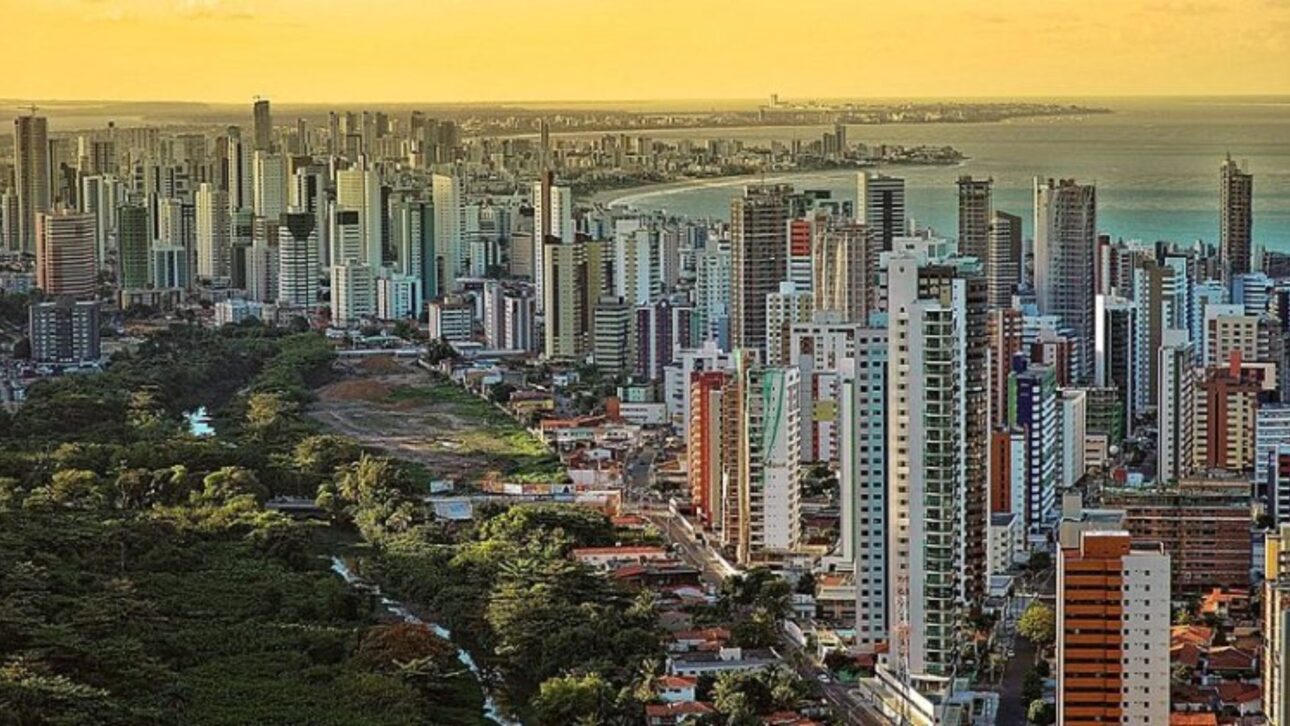
image: João Pessoa
The majority of the problem is concentrated in a single region. According to the Pnad Continuous Education 2025, by IBGE, more than half of Brazil’s illiterates are in the Northeast, which gathers 4.8 million people in this condition, a rate of 10.6%, the highest among the five regions of the country.
-
Corn ethanol attracts R$ 23 billion in 21 new plants and prepares for a nearly 50% jump in Brazilian production by 2027, even with high interest rates.

-
A newly opened terminal in the middle of the Amazon has begun transporting soy and corn through Amapá, eyeing the queue of ships that is congesting the ports in the South.
-
Tesla injected an additional $250 million into the German factory, doubled the battery cell target, and opened its own production line for startups.
-
A 180-meter ship with a deck the size of a football field was christened to carry 25,000 tons of giant energy modules around the world.


The criterion used by the institute is objective. The IBGE considers illiterate a person aged 15 or older who cannot read and write a simple note. By this measure, Brazil has 8.4 million people in this situation, and the Northeast alone concentrates the largest share of this total, ahead of all other regions.
The rate falls in the country and the region
Despite the high numbers, the survey also brings a positive sign. The illiteracy rate is declining: in the country, the proportion of illiterates reached 4.9%, in a reduction trend that IBGE has been monitoring in recent years and which was treated as a milestone in the historical series.
In the Northeast, improvement is also evident. The regional index went from 11.1% in 2024 to 10.6% in 2025, which shows that, even with the gap that still separates the region from others, the Northeast is gradually reducing the number of people who cannot read or write. The downward trend is the other side of a picture that, at first glance, seems only negative.
The ranking among the regions
The distribution of illiterates across the country is quite unequal. After the Northeast, with 10.6%, comes the North, with 5.7%, followed by the Midwest, with 3.3%. These two regions occupy the intermediate range of the table released by IBGE.
At the other extreme are the regions with the lowest rates. The South appears with 2.4% and the Southeast with 2.3%, the lowest rate of all. The difference between the Northeast and the Southeast is more than four times, which helps explain why the debate about illiteracy in Brazil is also a debate about regional inequality.
The historical roots of inequality
For the Ayrton Senna Institute, the difference in the number of illiterates between regions has distant origins in time. According to Beatriz Alqueres, strategy manager at the institution, the lower rates in the Southeast and South are linked to an earlier urbanization process, a greater concentration of public investments, faster economic development, and a quicker expansion of school networks.
In the North and Northeast, the scenario was different. Much of these regions faced higher levels of poverty, a population dispersed in rural areas, long distances to access public services, and later educational expansion, factors that, in this view, help explain the higher illiteracy rates observed today.
The 8.4 million illiterates in Brazil, more than half of them in the Northeast, expose a regional inequality with deep roots, linked to differences in urbanization, public investment, and access to education between regions, according to IBGE and the Ayrton Senna Institute.
At the same time, the drop in rates, with 4.9% in the country and the reduction from 11.1% to 10.6% in the Northeast, indicates a gradual advance in reducing the number of people who cannot read or write a simple note. The challenge now is to continue narrowing the gap between the Northeast and the Southeast, so that the right to read and write reaches all regions equally.
And you, what do you think about these IBGE numbers? In your opinion, what would help the most to reduce illiteracy in the regions with the highest rates? Comment and exchange ideas with other readers about education and inequality in Brazil, with respect for different views.