






 Portuguese
  Spanish


The robot dog was developed by the Graz University of Technology in Austria and has already undergone simulations with pollution. The quadruped uses commercial parts and operates without GPS or external networks. For now, it has been tested in simulations, and the proposal for it to become a fixed part of the teams has not yet materialized.
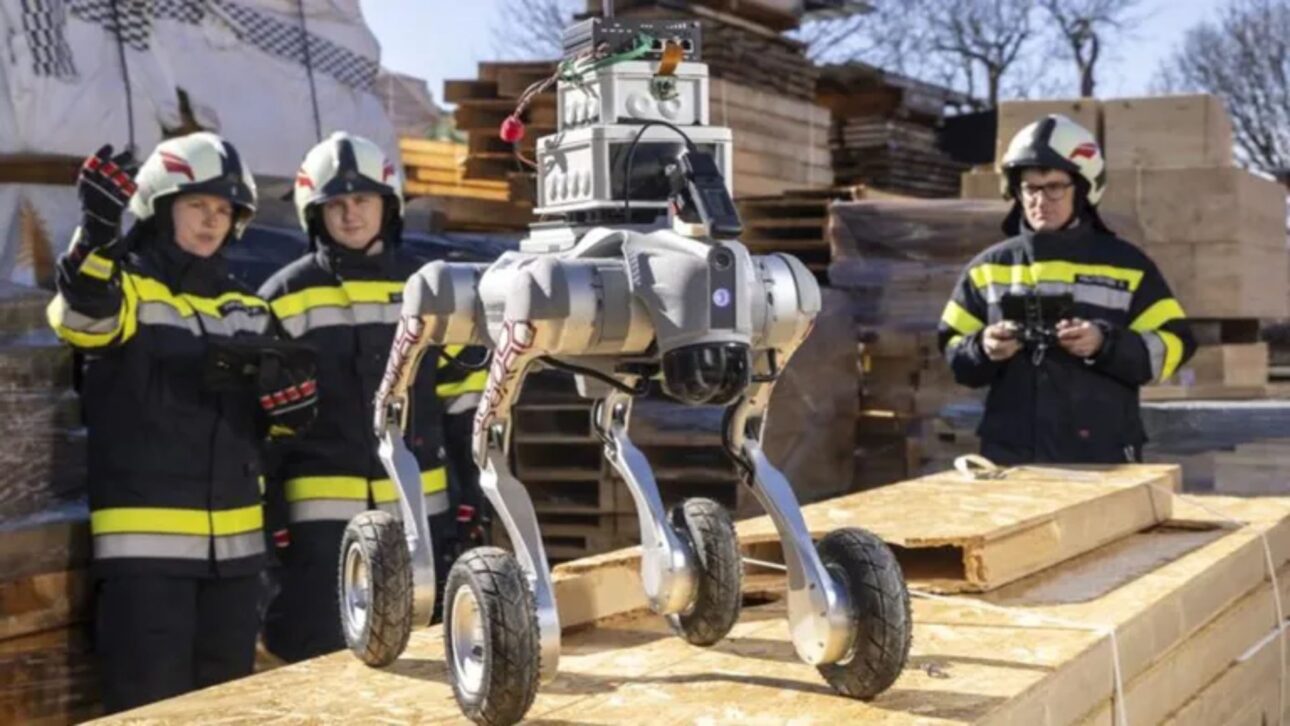
A four-legged robot dog, created to detect toxic substances, could become the first to be sent to dangerous areas to help firefighters assess risks without exposing themselves. According to the responsible team, the equipment was developed by researchers from the Graz University of Technology announced on June 11, in Austria, and enters the danger zone ahead of the firefighters, measuring pollutants and sending live images. The proposal is to gain time and keep the teams away from risk.
According to the researchers, the robot dog is remotely controlled, has four legs, and uses measuring devices that firefighters already use. According to the team, the system has been extensively tested by emergency services in large-scale pollution simulations and has shown that it can provide real-time data from danger zones. For now, however, these tests have been conducted in simulations and not in real occurrences.
The robot dog that enters the danger zone before the firefighters
Credit:
Lunghammer – TU Graz
The central idea is simple, let the robot dog face the danger instead of people. According to the team from the Graz University of Technology, the compact quadruped system can be sent on missions ahead of firefighting teams. Gerald Steinbauer-Wagner, a robotics researcher at the institution, explained that the robot “measures pollutant concentrations and transmits the data,” along with a live camera image of the danger zone.
-
$7,999 Isaac 1 Robot Aims to Tackle Household Chaos: Folds Clothes, Makes Beds, and Organizes, but Raises Privacy and Cost Concerns with Camera Reliance and Remote Human Assistance

-
Mobile Electron Accelerator Units Enable Safe Testing of Water, Materials, and Industrial Waste Treatment in Countries Without Permanent Labs

-
Brazil Invests $12 Million in Biodiversity to Develop Drug Molecules, but When Will It Reduce Dependence on Imported Pharmaceutical Ingredients?
-
3D Printing: From 1945 Sci-Fi Concept to Modern-Day Prosthetics, Homes, and Industrial Parts



The robot dog has already been put to the test in controlled situations. According to the research team, it has been extensively tested by emergency services in large-scale pollution simulations and has proven its ability to provide real-time data. A technical detail stands out: the robot can operate without relying on GPS or external communication networks.
The problem of time in chemical accidents
The robot dog emerges to solve a known bottleneck in chemical accidents, time. According to the material, in these incidents, teams need to quickly identify hazardous substances while operating in risky conditions. Before entering contaminated areas to take measurements, firefighters usually wear bulky protective suits, such as level A or B suits.
This procedure is necessary to completely isolate the hazardous environment but consumes valuable time during the emergency. According to the researchers, it was to tackle this problem that the team turned to robotics. Thus, the robot dog can enter before the firefighters and collect crucial information, allowing emergency services to assess the situation without having to step into the danger zone.
Compatible with firefighters’ protocols
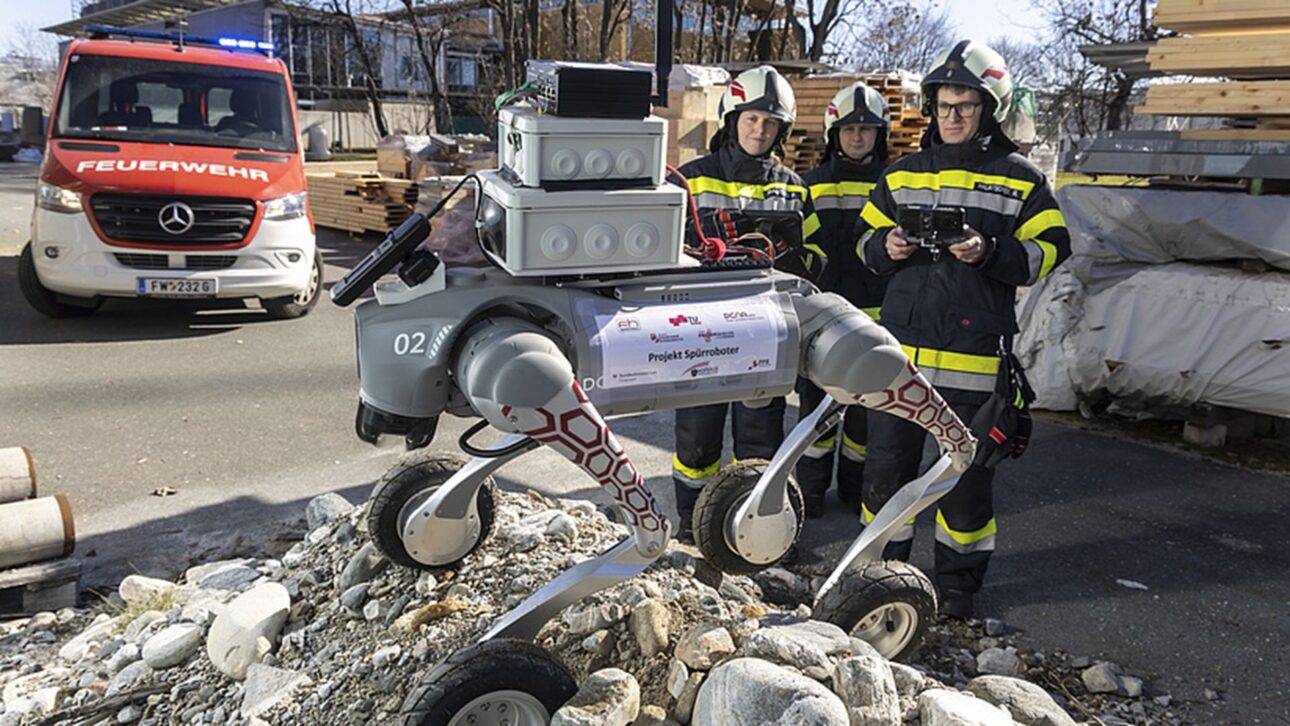
Instead of creating an isolated system, the researchers made the robot dog interact with the procedures that firefighters already use. According to the material, the team conducted a detailed requirements analysis before fitting the robot into the established hazardous materials response protocols. For this, the equipment uses commercially available parts for mobility, sensors, data processing, communication, and visualization.
Field tests, according to the team, were encouraging. According to the researchers, the results were promising in terms of mobility, ease of use, and effectiveness, and a potential analysis supported by the Austrian Research Promotion Agency pointed out several advantages of the technology. Still, integrating the robot dog into the real routine of firefighters is the next step.
Firefighters support, but real use is the next step
From the perspective of those involved in rescue, the reception of the robot dog is positive. Gerald Czech, from the Austrian Federal Fire Brigade Association, stated that in a real incident, he would send the robot to the contaminated area before the team enters, because “for the fire brigade, every minute counts during a hazardous materials operation.” Receiving measurements and images while professionals are still putting on their suits, according to him, can save time and improve the command of the operation.
Even with the support, it’s worth distinguishing what already exists from what is still a proposal. Experts from fire brigade associations in Styria and Upper Austria, the Graz University of Technology, and the Austrian Disaster Competence Network advocate that detection robots like this become a permanent part of hazardous materials teams. For now, however, the robot dog has been validated in simulations and tests, and its use in real emergencies and permanent adoption remain as expectations.
The Austrian robot dog sums up an increasingly common bet, using machines to face danger instead of people. Developed by the Graz University of Technology, it promises to enter the danger zone before firefighters, measure toxic substances, and send live images, gaining precious minutes. The results in simulations and tests are encouraging, but the true test will be its performance in real emergencies and its definitive inclusion in the teams.
And you, do you think a robot dog like this should be a permanent part of fire brigade teams? Comment on what you think of this technology and exchange ideas with other readers about the use of robots in risk situations.


