Portuguese
  Spanish


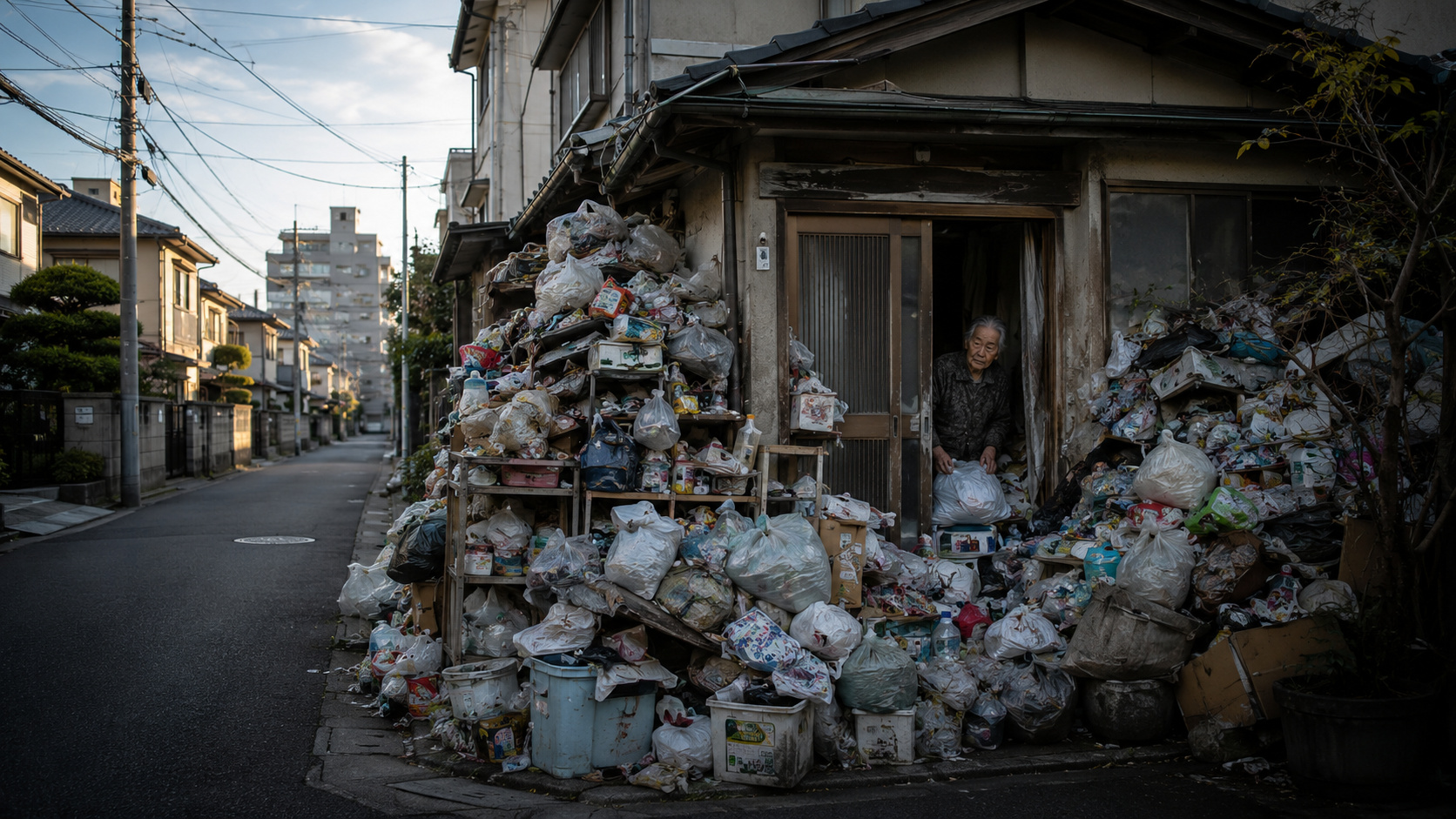

The garbage houses in Japan show a little-known side of a country famous for organized streets, strict collection, and urban cleanliness. The phenomenon of gomi yashiki involves private properties filled with waste, isolated elderly, compulsive hoarding, and a real difficulty for municipalities to act without authorization.
Japan often appears in the popular imagination as a world example of cleanliness, discipline, and organization. But the garbage houses in Japan reveal a more complex reality, hidden inside private properties and often linked to loneliness.
These dwellings are known as gomi yashiki, a term used for properties taken over by waste, accumulated objects, and dirt. In many cases, the problem ceases to be merely domestic and begins to affect neighbors, nearby streets, and local authorities.
The report was published by the South China Morning Post, a Hong Kong news outlet. The case draws attention because it combines population aging, social isolation, compulsive hoarding, and legal barriers that hinder quick action by municipalities.
-
$75 Million Bridge in Brazil Opens to Connect Cities, Create Jobs, and Cut Travel Time from 30 to 2 Minutes; Spanning 1.24 km, It’s Among the Country’s Largest and Ends Decades of Ferry Queues.

-
Brazilian Farmer Builds 8-Ton Tractor from Army Truck Engine, Plants Over 100 Hectares of Soybeans
-
11-Year-Old Entrepreneur Turns Fear of Bees into Honey Lemonade, Wins $60,000 on Shark Tank, Secures Whole Foods Deal, and Expands Brand Across U.S. Stores

-
9-Year-Old in Brazil Sells Homemade Sweets to Support Grandfather with Parkinson’s, Family Dreams of Buying Candy-Making Machine




What are gomi yashiki and why these garbage houses concern entire neighborhoods
The gomi yashiki are houses where the accumulation of garbage exceeds the common limit. The problem can involve waste, packaging, old objects, and materials scattered across rooms, yards, and entrances.
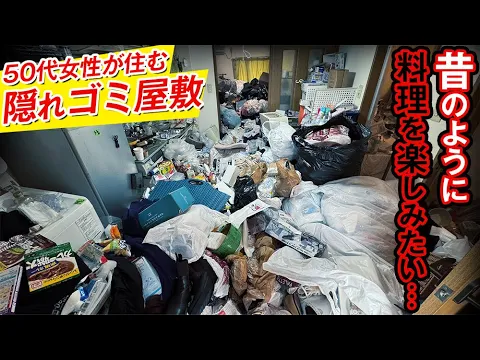

What starts inside a house can affect the entire neighborhood. Bad odors, risk of pests, and accumulated dirt create discomfort for nearby residents and pressure the public authorities to act.
The difficulty is that the garbage is not always in a public place. Often, it is inside a private property, and the municipality cannot simply enter to remove everything.
Therefore, garbage houses in Japan are not just a cleaning problem. They show a conflict between public health, property rights, and neighborhood protection.
Why loneliness and aging are at the center of this urban problem
Many cases of houses taken over by garbage involve elderly people living alone. With little support network, simple tasks can become difficult obstacles to overcome.
Sorting garbage, organizing the house, and disposing of objects require energy, routine, and help. When a person is isolated, ill, or emotionally fragile, this care can gradually disappear.
Aging makes the situation even more delicate. A house full of objects may indicate neglect, but it can also reveal loneliness, fear, emotional suffering, and lack of continuous support.
Therefore, removing the garbage is not enough. When the cause is linked to the person’s life, cleaning only solves the visible part of the problem.
How Tokyo neighborhoods try to act when private properties become garbage houses
Tokyo neighborhoods have created specific rules to deal with properties taken over by garbage. The attempt is to respond to cases where the accumulation already bothers neighbors and affects the community’s routine.
Even so, there is an important barrier. The house remains a private property, and this limits the direct entry of authorities. The city hall needs to act carefully not to overstep the resident’s rights.
South China Morning Post, a Hong Kong news outlet, detailed this point by treating gomi yashiki as a problem involving cleaning, social support, and legal limits.
In practice, the city hall needs to balance three fronts at the same time: protecting the neighborhood, respecting private property, and trying to help the resident. When the person does not accept help, everything becomes slower.
Why removing the garbage does not always solve the problem
Cleaning a house taken over by garbage can immediately improve the environment. The bad smell decreases, the risk to neighbors falls, and the property stops attracting so much attention.
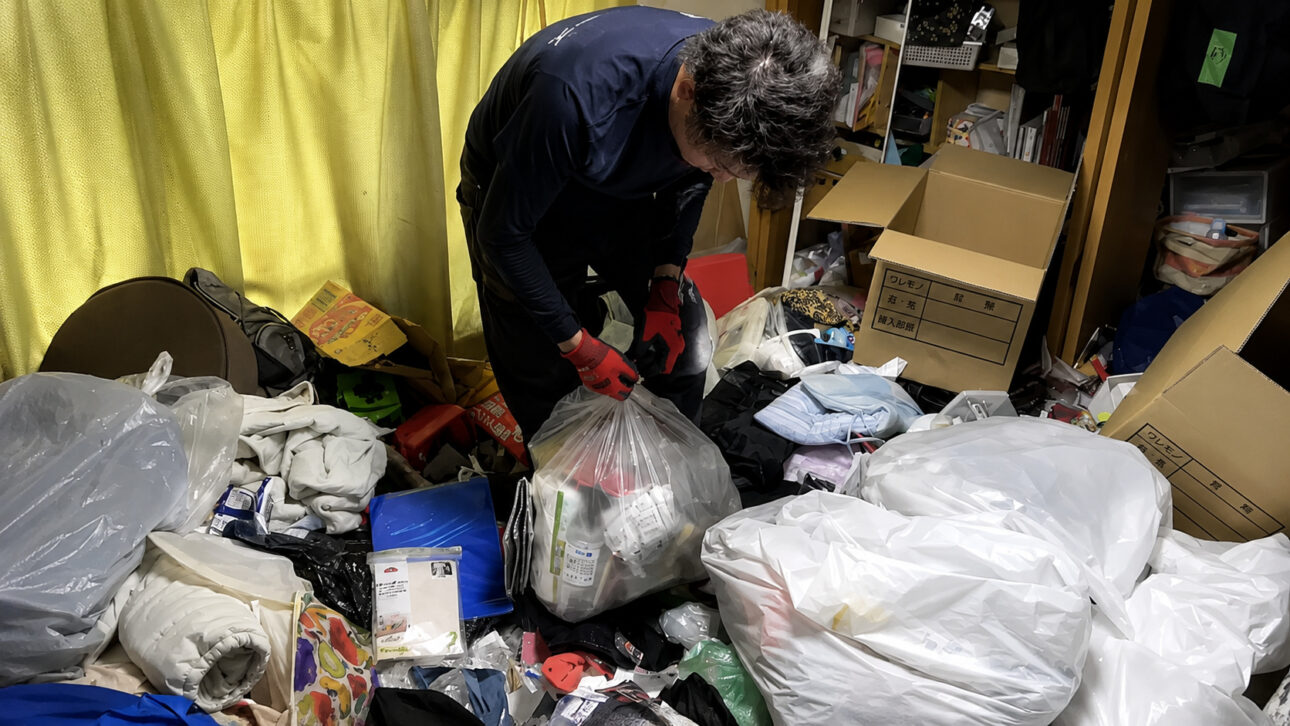
But the problem can return. When a person remains isolated, without support, and finds it difficult to dispose of objects, the accumulation tends to start again.
This is the most difficult point of trash houses in Japan. The dirt appears as a consequence, but the origin may lie in deeper human problems.
Therefore, the solution requires more than trucks and garbage bags. It also requires social presence, guidance, and monitoring to prevent the same situation from recurring.
The contrast between clean streets and abandoned interiors breaks a global stereotype
Japan is remembered for clean streets, organized transportation, and a strong culture of waste separation. This scenario makes gomi yashiki even more shocking for those who see the country only from the outside.
The phenomenon shows that urban cleanliness does not prevent problems inside private properties. A city can function well on the streets and still hide people living in difficult conditions at home.
This difference between public appearance and private reality helps explain why the topic draws so much attention. A house full of trash becomes a visible sign of something society did not notice in time.
In the end, trash houses in Japan show that urban organization and social care need to go hand in hand. Without support for vulnerable people, the problem can grow silently.
The challenge for municipalities is not just to clean, but to act before abandonment becomes a crisis
Municipalities face a delicate situation. They need to respond to neighbors, preserve public health, and at the same time, deal with residents who may be suffering or isolated.
The legal barrier exists because the house is private. This prevents quick actions and requires caution before any entry or removal of material.
The case of gomi yashiki shows that accumulated trash may be the last sign of a problem that started much earlier. Loneliness, aging, and lack of support form a difficult cycle to break.
Therefore, the debate goes beyond cleaning. It involves how a city takes care of people before an entire house is taken over by abandonment.
Trash houses in Japan reveal an urban problem that cannot be contained merely by waste collection. They mix isolation, aging, mental health, affected neighborhoods, and legal limits for public action.
The image of a clean country remains strong, but this phenomenon shows that no city is free from hidden problems inside private properties. When loneliness turns into accumulated trash, the response needs to be social, not just operational.
If a house overrun by garbage can be a sign of human neglect, how far should the city council go to protect the neighborhood without invading the private life of those who live there?