





 Portuguese
  English
  Spanish
  5 min of reading
  0 comments


The disposal of used tires in Brazil exposes the invisible weight of the fleet, showing how tire reverse logistics tries to prevent abandonment, environmental risk, standing water, and rubber accumulation after cars, buses, and trucks continue their journey.
Brazil directed 384,391 tons of used tires in 2025 and revealed the size of the rubber mountain that almost no one sees when changing a tire at the tire shop. The data shows that the useful life of a tire does not end when it leaves the car, bus, or truck.
The information was disclosed by Transporte Moderno, a journalistic portal of the transport sector. The survey uses data from the Pneumatic Report 2025 of Ibama, the federal environmental agency, and places reverse logistics at the center of a problem that grows along with the Brazilian fleet.
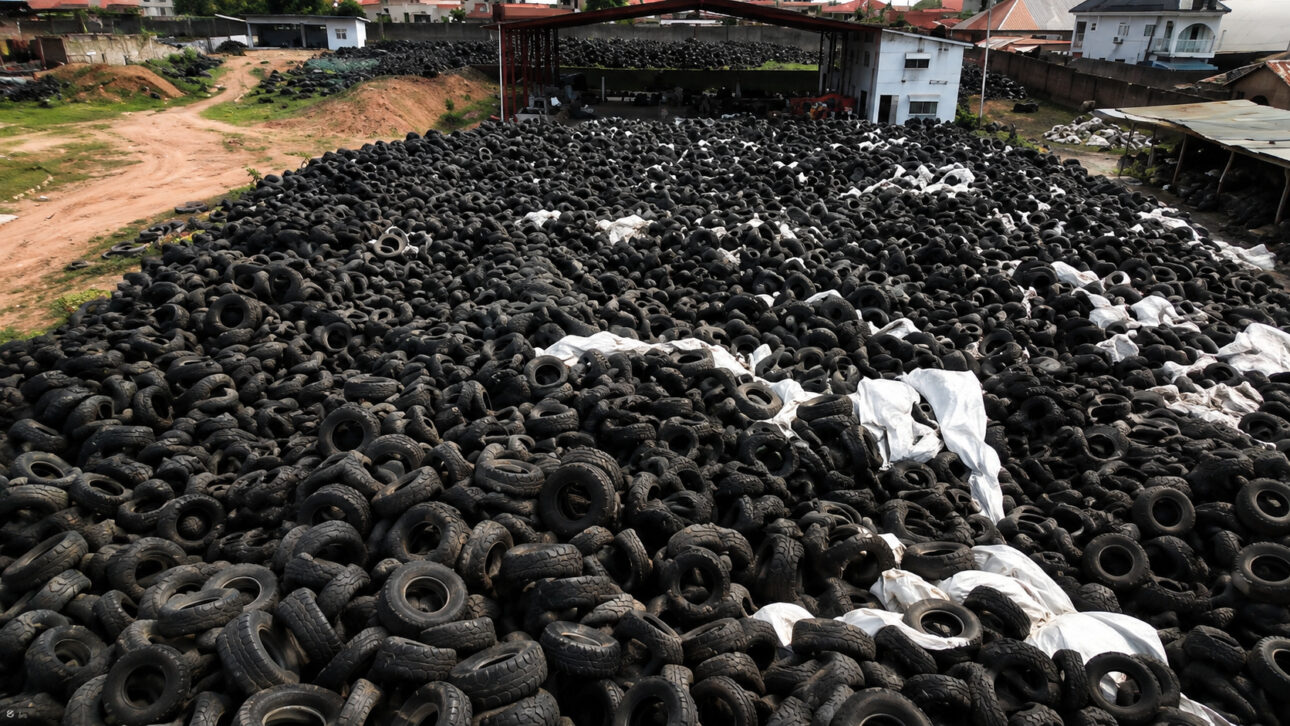
For the driver, the exchange seems simple. The old tire goes out, the new one comes in, and the routine continues. For the country, however, there remains a large, heavy, and difficult-to-store residue. When abandoned, the tire can collect water, occupy space, and increase risks for cities, roads, and empty areas.
-
The gravity of the Earth was factored into the calculation, and now scientists say that sea levels may rise more than many coastal cities imagined by 2100.

-
RN faces barriers to eliminate 176 dumps spread across the state, and the difficulty in implementing modern waste treatment solutions exposes a problem that continues to affect the environment, public health, and regional development.
-
Motorcyclist sees excavator arriving at the edge of a river in Bosnia, calls neighbors in minutes and turns a hydroelectric project into a resistance lasting more than 10 years with five expired concessions.
-
Residents of Bosnia block 15 small hydroelectric plants on a crystal-clear river described as drinkable along its entire course after three years of protests to prevent the Neretvica from becoming a series of dams.



Where used tires go after they lose their function
The tire that is no longer safe for use is called an unserviceable tire. In simple words, it is the tire that should no longer return to the wheel because it no longer offers safety for circulation.
After collection, this material can be reused in different processes. Among the mentioned paths are the use in cement industry kilns, the production of rubber artifacts, granulation with steel and rubber recovery, and pyrolysis, a process that can generate oil, steel, and carbon black.
In practice, tire recycling prevents part of this rubber from remaining as waste. The material ceases to be just a disposal problem and enters a chain that tries to give new utility to the residue.
This path does not happen alone. It depends on collection, transportation, processing, and final destination. Therefore, the correct disposal of used tires requires an organized network capable of handling volumes much larger than the consumer imagines.
Why Abandoned Tires Cannot Become a Common Sight
Old tires are bulky. A small amount already takes up a lot of space, and a pile grows quickly on land, in workshops, and on roadsides. Therefore, abandonment leaves visible marks in the city and the environment.
Rubber is also flammable and can accumulate water when exposed. This turns the abandoned tire into waste that needs to be treated with care, not something that can be left anywhere.
The problem is even more serious because the tire does not disappear after being replaced. It continues to exist outside the vehicle and needs to enter an appropriate disposal flow.
The mountain of used tires is the other side of mobility. Brazil depends on cars, buses, and trucks every day, but also needs to deal with what remains when these vehicles change their tires.
How Tire Reverse Logistics Works in Brazil
Reverse logistics is the return path of the product after use. In the case of tires, this means removing the material from common disposal and taking it to places capable of reusing or giving it the correct destination.
The obligation involves manufacturers and importers. The Conama Resolution No. 416/2009 establishes that the collection and proper disposal need to accompany the volume of tires placed on the market.
Transporte Moderno, a journalistic portal of the transport sector, detailed that the tire chain involves logistics operators and recycling companies. This mechanism helps explain why tire disposal does not depend solely on a tire shop or a driver.
Ricardo Alípio, executive president of the Brazilian Association of Tire Importers and Distributors, summarized the sector’s responsibility: “Tire reverse logistics is a legal obligation, and importers operating in the Brazilian market fulfill this responsibility. Ibama’s numbers show that the sector actively participates in the environmentally appropriate disposal of tires at the end of their useful life,” he states.
What the 384,391 Tons Reveal About Cars, Buses, and Trucks
The 384,391 tons of used tires destined in 2025 show that the Brazilian fleet leaves a physical trail after driving. Each trip, delivery, urban route, or daily commute depends on tires that one day need to be replaced.
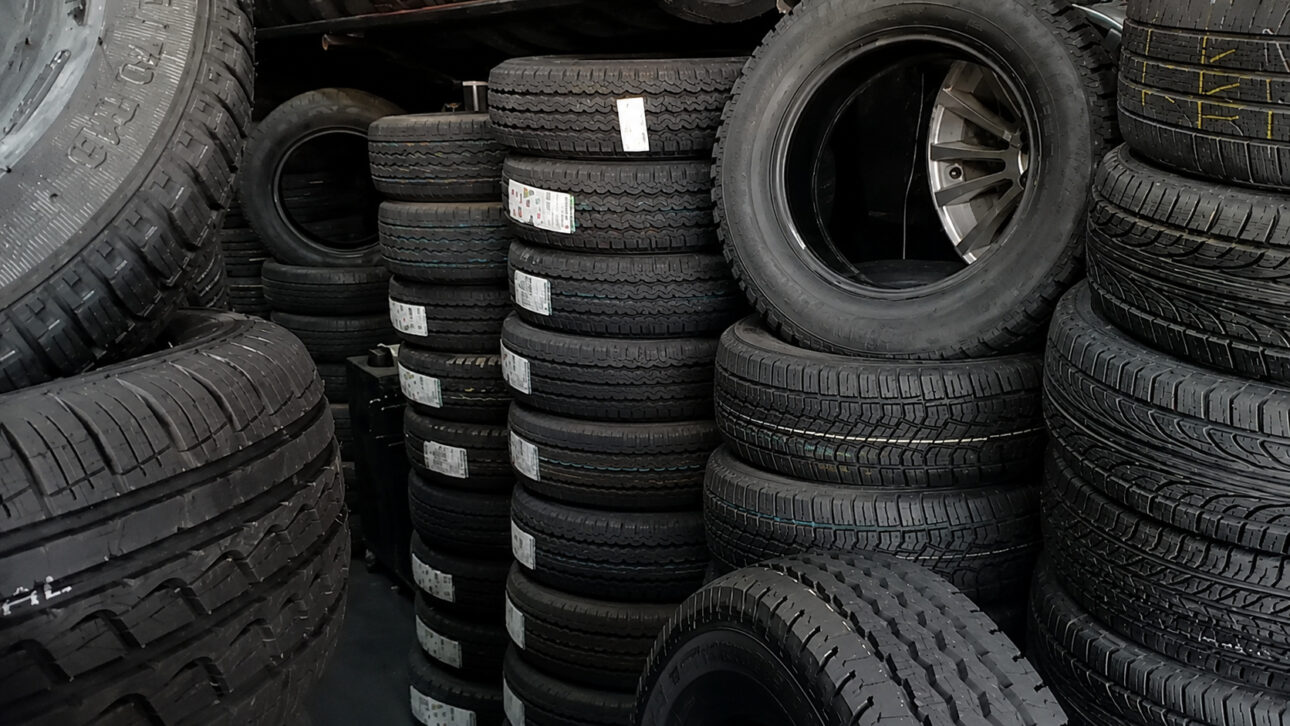
This volume helps to understand why the old tire is not a small waste. It weighs, takes up space, and requires a specific structure for collection and treatment.
The national industry also records millions of tons allocated since 2011 in reverse logistics programs. This shows that the problem is not confined to a specific year but is part of the routine of a country that moves on wheels.
When the fleet runs, the rubber wears out. When the rubber wears out, disposal appears. The difference lies in the destination given to the tire after it leaves the vehicle.
Recycling programs try to prevent rubber from being left without a destination
Among the actions linked to this structure is Brasil Rodando Limpo, coordinated by the Brazilian Association of Companies for the Recycling of Unserviceable Tires. The initiative brings together 14 recyclers operating in 20 states.
The program processes about 180 thousand tons of tires per year and has operations in more than 135 municipalities. These numbers show that correct disposal depends on a broad and constant chain.
For those who change the tire, everything seems to end at the tire shop counter. But after that, another stage begins, with transportation, separation, and forwarding for reuse.
This process is important because it reduces the chance of the old tire becoming debris. It also helps transform a waste difficult to store into material with possible use in other sectors.
The rubber mountain shows the hidden cost of life on wheels
The data from 2025 shows that Brazil not only deals with vehicles in circulation. The country also needs to take care of what is left behind after cars, buses, and trucks travel thousands of kilometers.
Reverse logistics tries to organize this path. Without it, the used tire would have a greater chance of ending up abandoned in lots, roads, and uncontrolled areas.
The image of the tire mountain sums up the challenge well. It shows that mobility has a material trail, heavy and visible when disposal does not keep up with the fleet’s pace.
In the end, the old tire does not disappear when it leaves the wheel. It needs collection, correct destination, and responsibility from the entire chain to not become an environmental problem.
Have you ever thought about what happens to tires after they are replaced, or do you only notice this problem when you see a pile abandoned on the street? Share your opinion in the comments.





Be the first to react!