






 Portuguese
  Spanish


The Pet Naming Rights campaign showed how pets with brand names became a topic in Brazil by linking dog, cat, R$ 162 voucher, domestic advertising, and a curious idea that left the stadium logic to enter the routine of families
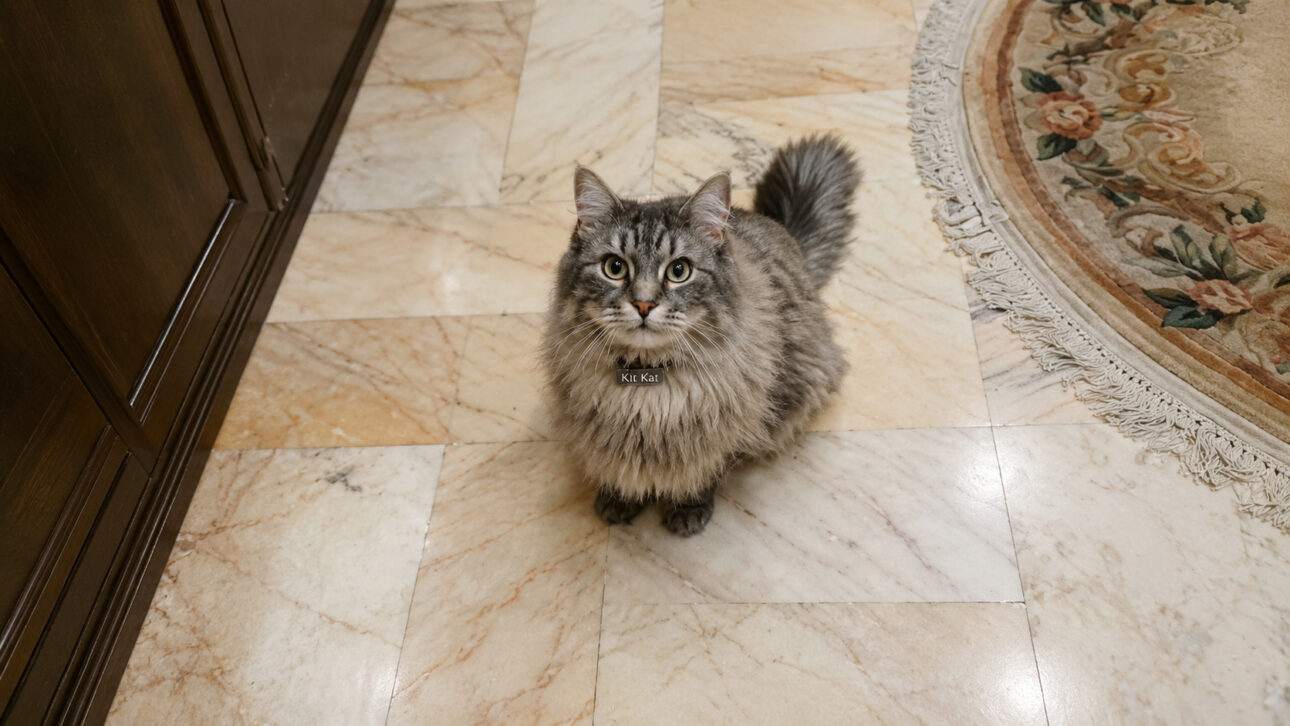
A dog named Nescau or a cat named KitKat could earn money for the owner in a curious action by Nestlé. The Pet Naming Rights campaign paid R$ 162 to pet owners whose pets were named after the company’s brands.
The information was published by Nestlé Brazil, a food and beverage company present in Brazil. The action turned a common household habit, calling the pet by name, into an advertising game.
This campaign took place between March 16 and 22, 2026, but it continues to attract the attention of many owners who also have a pet with a famous name.
-
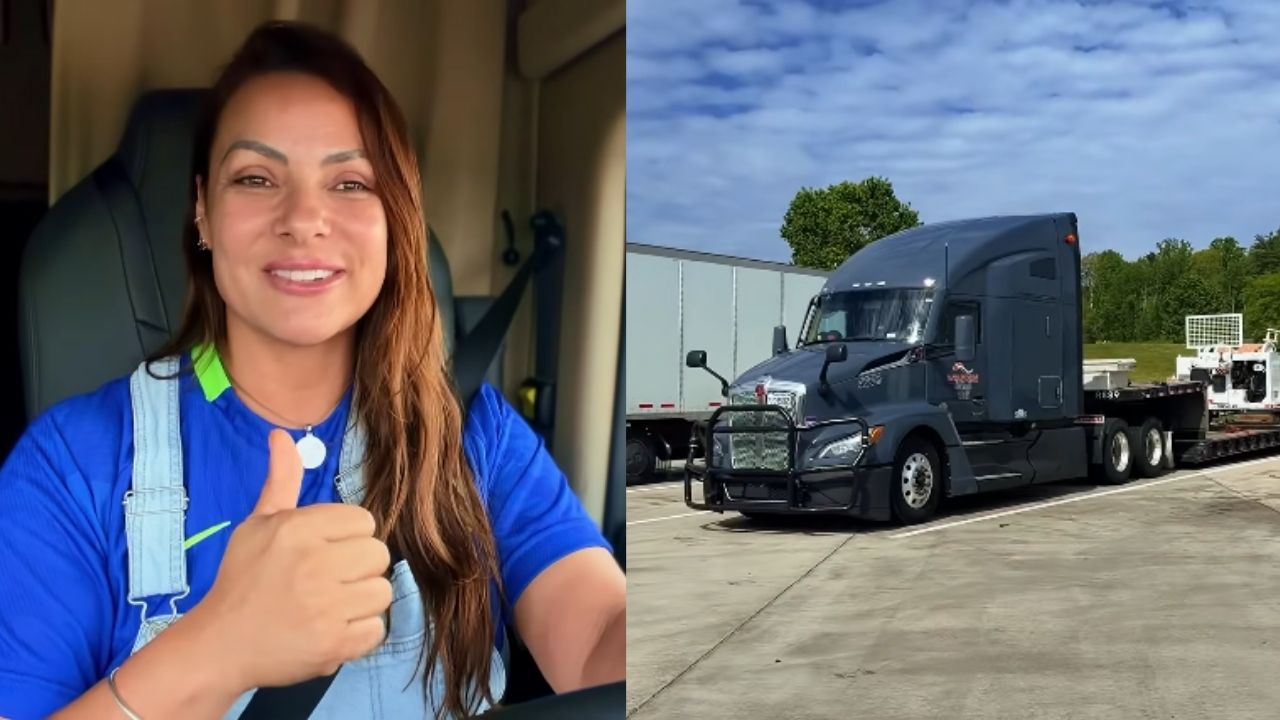
Brazilian Truck Driver in the U.S. Earns $11,200 Commission on Heavy Haul, Highlights High Income Potential and Demands of the Job

-
Teen without prom date invites pet cat to dance, goes viral with tuxedo and pink dress photoshoot

-
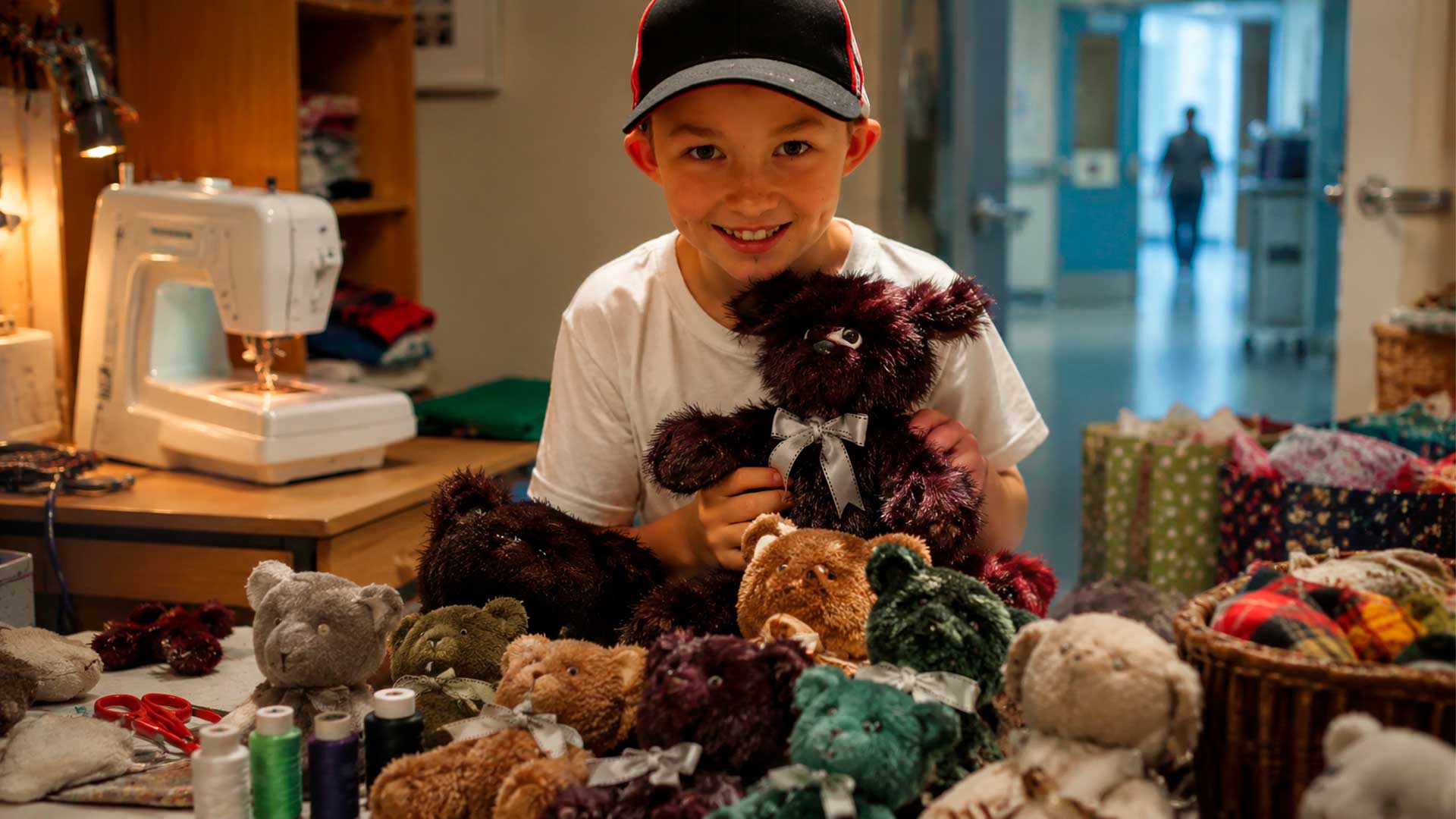
Boy Uses Mother’s Sewing Machine to Make Teddy Bears for Hospitalized Children in Tasmania Over 365 Days

-
Restaurants Combat Frying Odors Before Cooking Begins: Here’s Why This Routine Matters


The idea left the stadiums and ended up in the names of pets inside homes
Naming rights is usually the type of agreement where a brand pays to have its name linked to a stadium, arena, or event. Nestlé took this logic elsewhere: the names of dogs and cats.
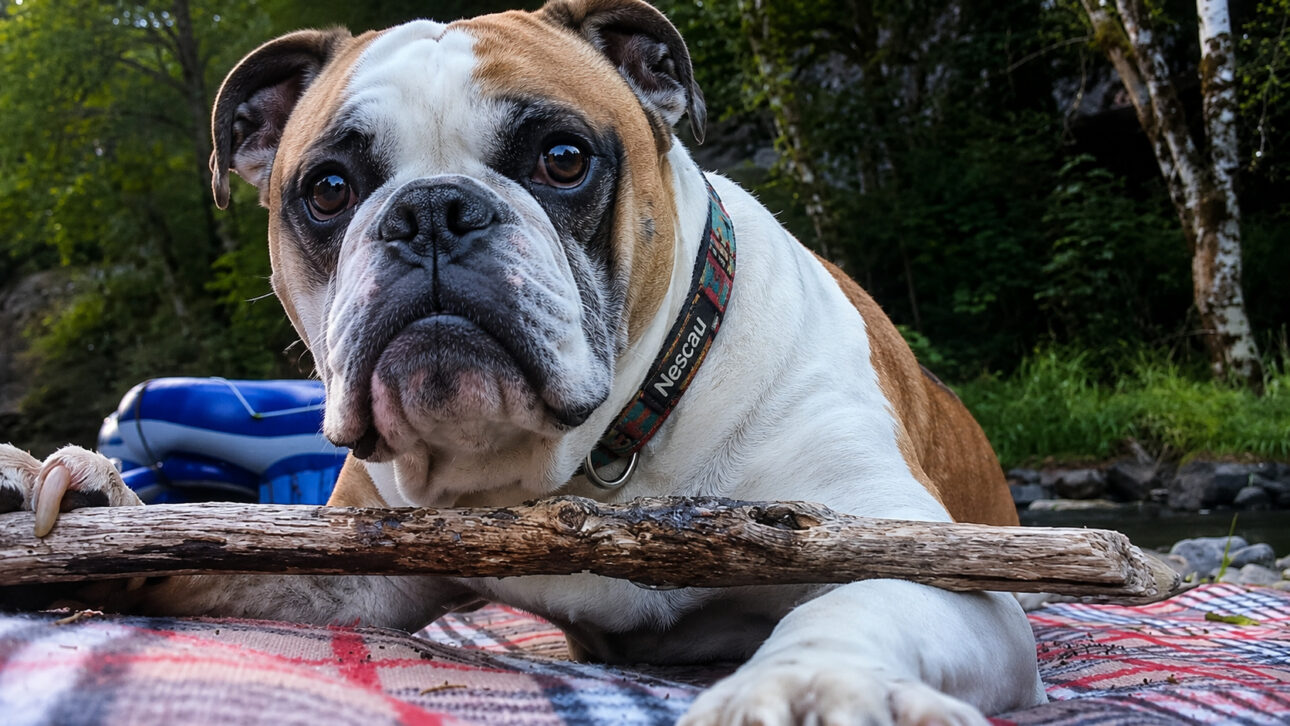
In practice, the company saw a form of media within the family routine. Every time someone called Nescau, Galak, Chokito, or KitKat, the name of a brand was also repeated.
The campaign treated these animals as a kind of living media, not because they did real advertising, but because their names carried well-known brands in the daily lives of families.
How the Pet Naming Rights created for dogs and cats worked
The action was aimed at pet owners with animals named Nescau, Galak, Chokito, or KitKat. The owner needed to prove that the pet’s name was real and already part of the animal’s life.
The proof submission was done via direct message on Nestlé’s Instagram. After validation, the owner received a unique voucher, limited to one per CPF.
The proposal attracted attention because it mixed affection, humor, and advertising. The name chosen out of affection became a constant reminder of the brand.
Why Nestlé reached the value of R$ 162 for each validated owner
The value of R$ 162 did not appear by chance. The company considered how many times, on average, an owner calls their pet per day over the animal’s lifetime.
Then, this number was cross-referenced with the company’s average CPM. CPM is a measure used in advertising to estimate how much it costs to show a campaign to a thousand people.
With this calculation, the action reached the voucher of R$ 162 per validated owner. The benefit could be used in the iFood Markets category, on purchases starting from R$ 300 and with at least one Nestlé product in the basket.
Which documents proved that the dog or cat had a brand name
To participate, the owner needed to prove the pet’s naming with some official document. Accepted documents included identification document, adoption registration, chip registration, or other official proof of the animal’s name.
This care was to show that the name was genuine. The campaign did not accept just a loose declaration from the owner, as the proposal was to recognize pets that already carried those names.
The rule also helped keep the action within a more organized format. Only after validation was the voucher of R$ 162 released to the responsible party.
The campaign happened for a few days and became a curious marketing case in Brazil
The action had a short duration. It took place between March 16 and 22, 2026, with regulations linked to the Eu Quero Nestlé website.
Nestlé Brazil, a food and beverage company present in Brazil, brought the numbers and deadlines of the campaign. The initiative was developed by Publicis Brasil and managed by influencers from BR Media.
Mauro Ramalho, from Publicis Brasil, stated: “The idea was to recognize this cultural phenomenon and play with this logic.” The phrase sums up the tone of the campaign, which used humor to turn a domestic habit into a conversation about the brand.
What the action reveals about advertising, affection, and behavior of pet owners
The campaign shows how some brands enter people’s lives emotionally. Names like Nescau, Galak, Chokito, and KitKat can appear not only on shelves but also in nicknames, memories, and even in the name of a pet.
Rafael Berenguer, executive manager of integrated marketing at Nestlé Brasil, summarized the decision with the phrase: “We decided to do the opposite.” The statement referred to the choice to celebrate the use of brand names in people’s lives.
The case draws attention because it turns a simple situation into a bigger question. If a family calls the pet by name every day, this repetition also becomes a constant presence of the brand inside the home.
The Pet Naming Rights action combined pets, famous brands, a R$ 162 voucher, and advertising in an unusual way. What seemed like just a fun name for a dog or cat became an example of how companies observe common habits to create campaigns.
Do you find it genius or strange to turn a pet’s name into advertising, even when it arises from affection within the home?


