Portuguese
  Spanish


The case of the Neretvica River in Bosnia and Herzegovina shows how 15 small hydroelectric plants planned in an area of crystal-clear water mobilized residents, activists, and local communities in a three-year dispute for the preservation of a river described as clean and drinkable along its entire course.
In June 2023, the residents of Bosnia and Herzegovina managed to block 15 small hydroelectric plants planned for the Neretvica River, an area of crystal-clear water described as drinkable along its entire course.
The case drew attention because the project could transform a river associated with clean water, local use, and natural landscape into a sequence of dams. For the community, the dispute was not just about energy, but about keeping the Neretvica flowing freely.
The information was published by Arnika, a Czech environmental organization active in environmental protection. The mobilization lasted three years and ended with the cancellation of plans to build the 15 small hydroelectric plants on the river.
-
College Dropout Turned Window Cleaner Builds $1 Million Cleaning Business with Subscription Model After 18 Years of Door-to-Door Work
-
Race for Data Centers in Brazil Intensifies Pressure on Critical Energy Resources

-
Melting Glaciers Uncover Ancient Tools, Preserved Mummies, and Strategic Minerals in the Arctic and European Mountains
-
Melting Glaciers Uncover Ancient Tools, Preserved Mummies, and Strategic Minerals in the Arctic and European Mountains

How 15 small hydroelectric plants were planned on the Neretvica River
The plan foresaw the construction of 15 small hydroelectric plants on the Neretvica. Even with smaller size, this type of plant can change the water’s path when it appears in large numbers on the same river.
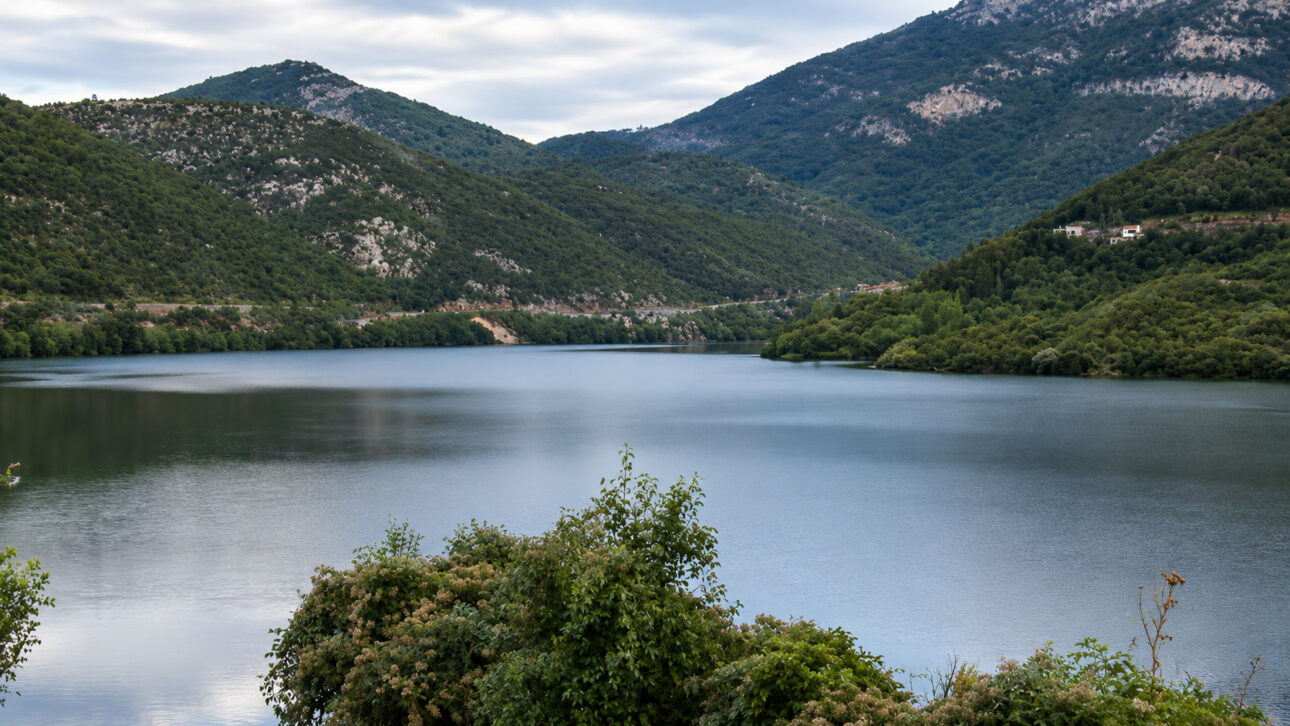
Instead of a single isolated work, the project would create a sequence of interventions. This detail made the case more sensitive, as the Neretvica is locally described as a river of crystal-clear and drinkable water.
For the average resident, the fear was simple to understand. A river used as a reference for clean water could have sections altered by works, diversions, and electric generation structures.
The campaign that lasted three years and took residents to the streets
The reaction began in the communities near the Neretvica. Residents organized, participated in protests, supported public actions, and pressured against the progress of the works.
The movement gained strength with the direct defense of the river. The expression let me flow became a symbol of the campaign and helped transform the environmental agenda into a popular cause.
Arnika, a Czech environmental organization active in environmental protection, recorded that the state energy company abandoned the original plan after organized public pressure. The resistance also involved disputes related to licenses for already authorized projects.
Why small hydropower plants can threaten mountain rivers
A small hydropower plant may seem less aggressive than a large dam. However, in mountain rivers, the impact depends greatly on the number of works and how the water is diverted.
When several plants are planned in sequence, the river can lose strength in some stretches. This affects the landscape, animals, plants, and the use of water by people living nearby.
Activist Zuzana Vachůnová summed up the risk in a straightforward sentence: “you simply cannot use a dry river in any way.” The statement shows why the community treated the case as a dispute for the very life of the river.
Water described as drinkable made the case even stronger
The most curious point of the Neretvica is the way the water is presented locally. The river is described as clean and drinkable along its course, something that increases the impact of the dispute.
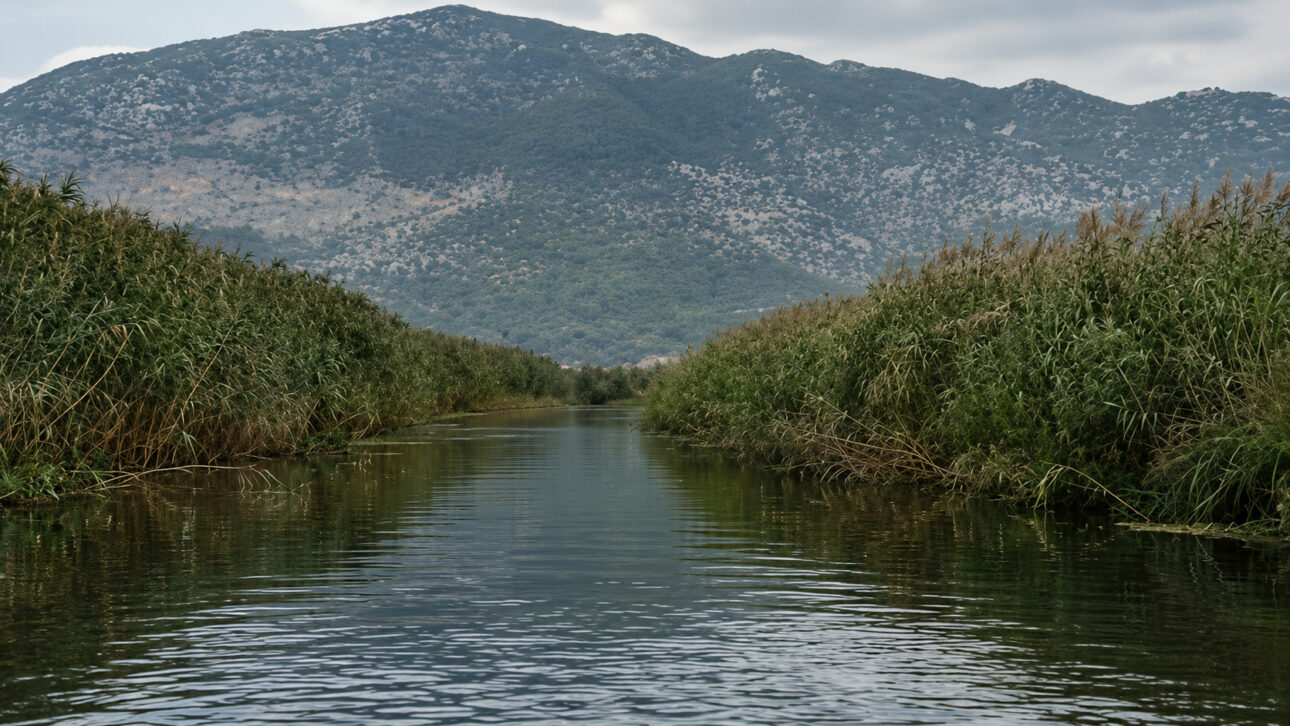
Therefore, the idea of installing 15 small hydropower plants gained a greater symbolic load. It was not just a work at a distant point, but a possible transformation in a river treated as a natural heritage.
This contrast helps explain the strength of the case. On one side, the promise of energy generation. On the other, a community defending a crystal-clear watercourse that already had environmental, social, and tourist value.
What the Neretvica case teaches mountainous regions of Brazil
The example of Bosnia and Herzegovina also resonates with mountainous regions of Brazil. In mountainous areas, fast-flowing rivers are often seen as potential sites for energy generation.
The main lesson is that the size of each plant should not be analyzed alone. When many projects accumulate on the same river, the impact can grow and change the community’s relationship with the water.
The Neretvica shows that organized residents can influence decisions about works that affect rivers, landscapes, and ways of life. In this case, popular pressure helped prevent 15 small hydroelectric plants from turning a clean river into a series of dams.
The victory of the residents of Bosnia shows how a small river can become a major public dispute. The Neretvica brought together three elements of strong impact: crystal clear water, 15 small hydroelectric plants, and three years of protests.
The case also reinforces an important question for any region that depends on clean rivers. When water is already treated as a natural wealth, energy generation needs to be discussed with even more care.
Do you think a sequence of small hydroelectric plants can cause more harm to a river than a single large dam? Comment and share this reflection.