






 Portuguese
  Spanish
  6 min of reading
  0 comments


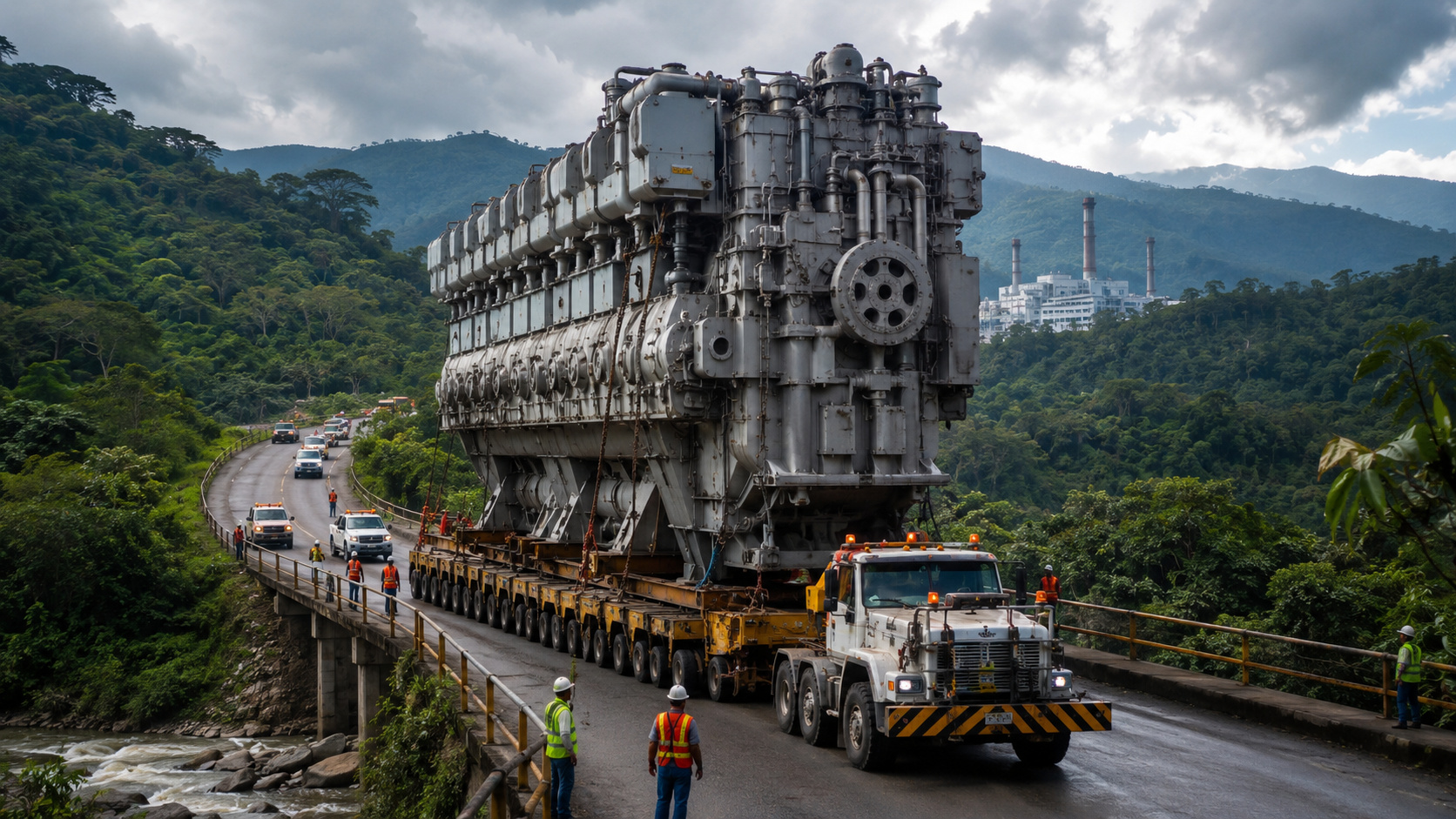
A less obvious route became the best choice for transporting heavy cargo to San Antonio, where eleven giant engines needed to arrive complete for a 200 MW energy project
The shortest path seemed the obvious choice, but an operation in Colombia showed that, in heavy cargo transport, the shortest distance can be the biggest problem. Eleven engines of 287 tons were taken to San Antonio to supply a 200 MW power plant by Celsia.
The operation involved port, road, fragile bridges, tight curves, low cables, and little space within the site. Every decision needed to avoid delay, infrastructure damage, and extra assembly at the project site.
The information was released by Mammoet, a heavy transport company. The operation reinforces a simple idea: in large energy projects, logistics can determine whether the project progresses on time or stalls even before the equipment is installed.
-
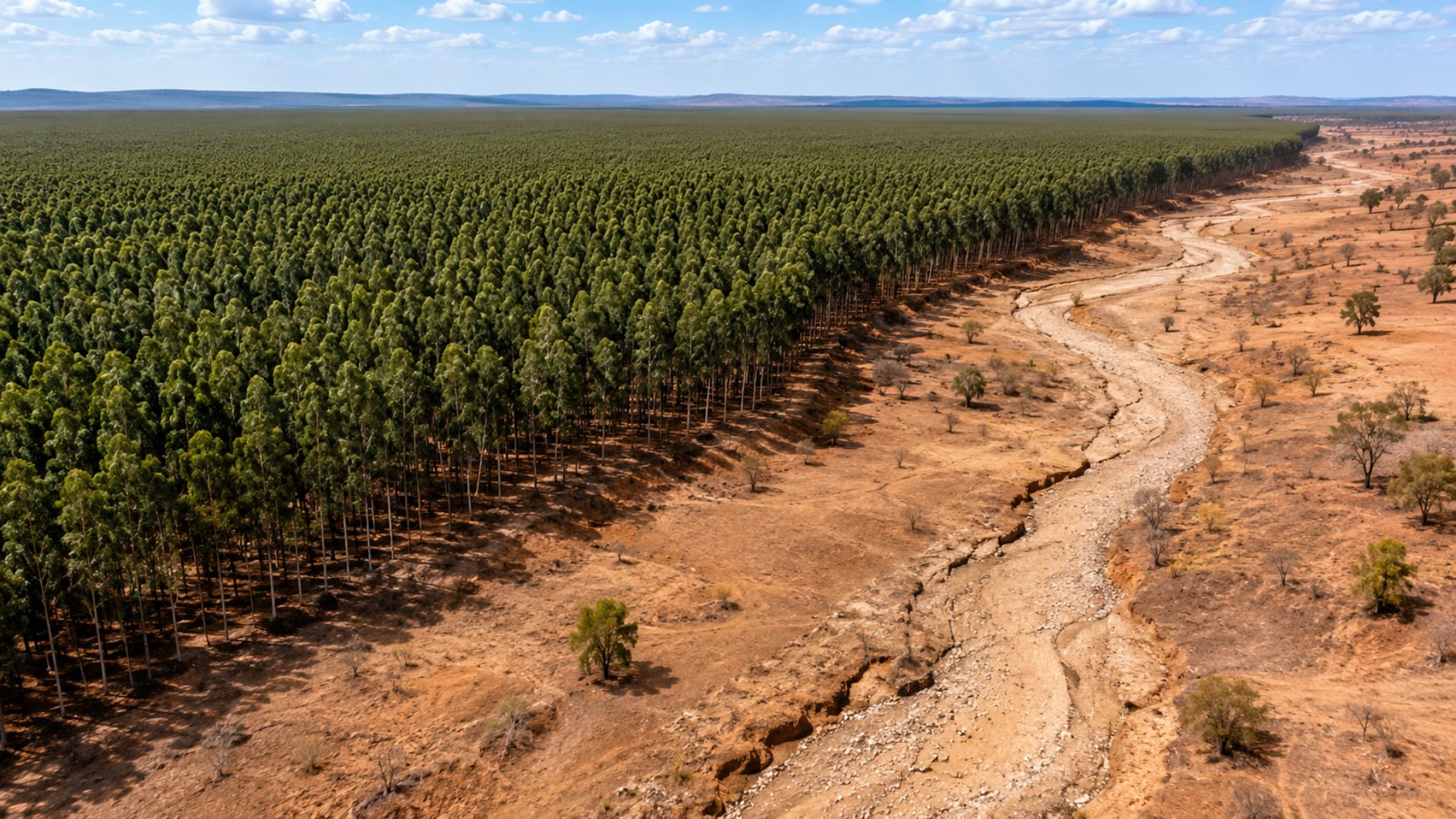
They planted a sea of eucalyptus to produce cellulose, but the monoculture turned into a green desert, dried up springs and rivers, and pushed families out of regions in Minas Gerais and Bahia.

-
Coal mine purchased for $2 million in Wyoming, the Brook Mine holds rare earth elements and critical minerals estimated at up to $37 billion, in an asset that the US is competing for with China.
-
The most common mistake when storing eggs is leaving them in the refrigerator door, where temperature fluctuations crack the shell, remove the cuticle, and cause them to lose freshness, with a risk of contamination.
-
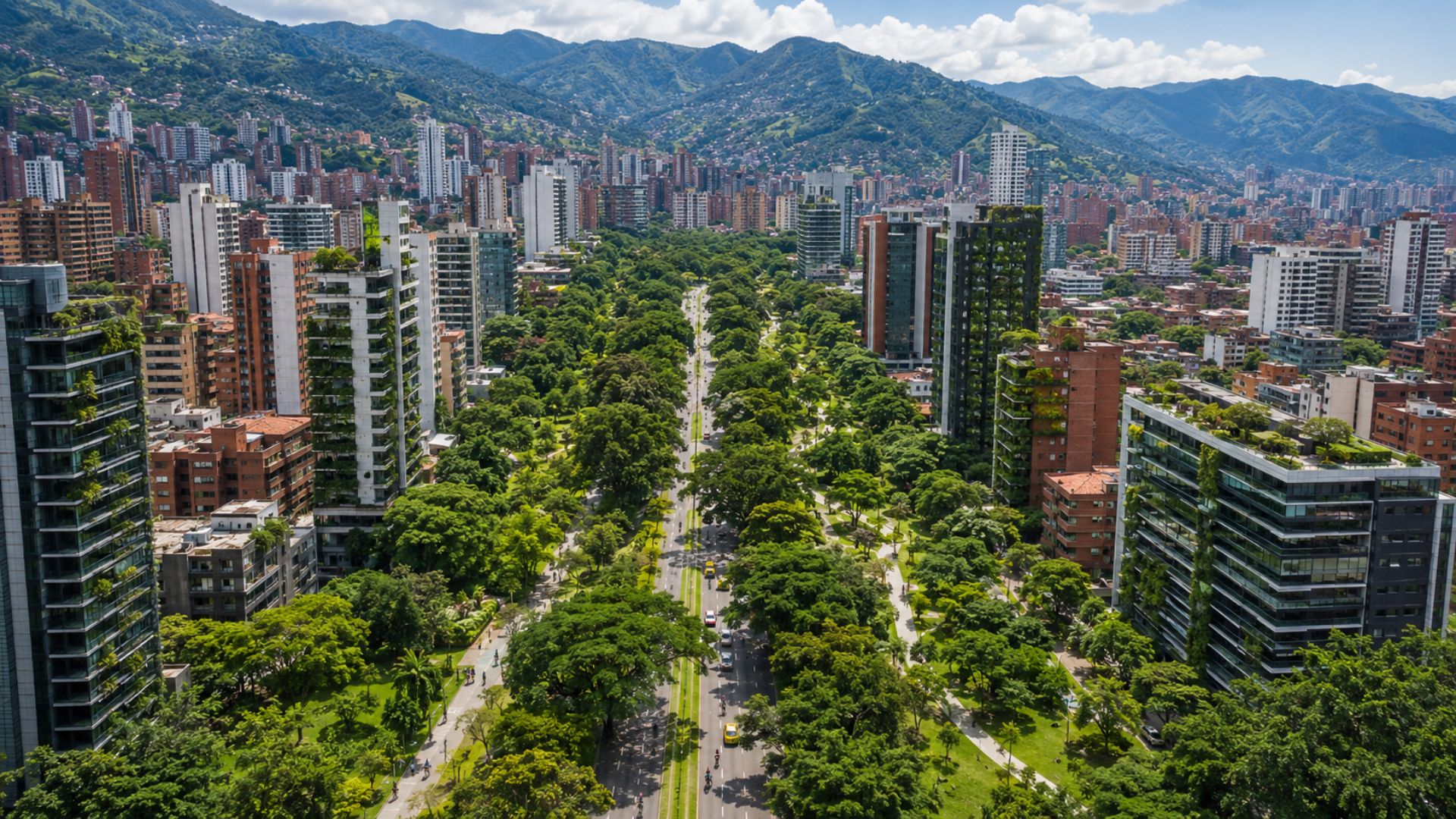
A city has planted 880,000 trees and 2.5 million smaller plants since 2016, reduced the temperature by up to 3°C in some areas, and won an international award for using vegetation to combat urban heat in Colombia.


Why the shortest route wasn’t the best for transporting 287-ton engines
The choice of route didn’t start with the simplest question. It wasn’t enough to know which path was shorter. The decisive point was to discover which route could accommodate 287-ton engines without compromising bridges, roads, and urban areas.


The ports of Cartagena and Barranquilla were natural options for this type of operation. Even so, choosing Cartagena would add 100 km to the journey and place the cargo in front of more restrictions along the way.
Therefore, the public port of Compas, in Tolu, emerged as an alternative. The location was closer to the project, although it was more associated with the movement of coal ships than with receiving heavy cargo.
The decision changed the operation’s design. The goal was to transport the engines complete to San Antonio, without disassembly and without creating a new assembly stage within the site.
How to transport a 287-ton load without turning the project into a puzzle
Transporting an engine of this size requires more than power in the truck. The load requires route study, soil evaluation, bridge analysis, curve verification, and support from teams along the route.
The eleven engines arrived from Europe on a single ship. Then, they were transferred by crane to conventional platform trailers with 20 axle lines and taken to a waiting area within the port.
From there, the engines traveled by road in convoys of three. This organization helped better control the movement in sections with limited space and higher risk.
The great advantage was keeping the engines complete. Dismantling the parts might seem simpler for the road, but it would create another problem upon arrival, with more time, more people, more resources, and more cost to assemble everything again.

Dismantling seemed an easy way out, but it could double the size of the problem
The client considered the possibility of dismantling the engines into two parts. At first glance, smaller parts seem easier to transport. However, the solution would change the complexity of the project.
Edilber Guerrero, sales manager at Mammoet, stated: “Initially, the client thought it would not be possible to transport the engines fully assembled to the project site. They considered dismantling them into two parts. With smaller parts, it is easier to transport, so that was the initial plan. Of course, the downside is that it would be necessary to assemble the engines on site, so it would require more time, more people, more resources, and money. The scale of the project would double.”
The statement summarizes the central point of the operation. Heavy transport not only evaluates the road. It also measures the impact on the site, the timeline, and the amount of work needed after delivery.
In a 200 MW plant, this type of decision carries greater weight. Transporting the entire load might be more difficult on the route, but it avoided a heavy assembly stage at the destination.
Ports, bridges, and narrow roads became an essential part of the plant project
The operation needed to prove that the Compas port had the conditions to receive the engines. The main concern was the bridge connecting the quay to the mainland, as it would have to support an exceptional load.
Mammoet, a heavy transport company, detailed that its engineers conducted checks to prove that the port and the bridge could handle the operation. Only after that did the engines proceed from Europe to Colombia.
On the road, the main route was discarded. It passed through cities like Sincelejo and included a long bridge, about 100 m, without sufficient capacity for the load.
The alternative was to follow secondary roads. The route had narrow and unpaved roads, so it was necessary to level and compact sections, as well as trim vegetation to open a passage.
Five fragile bridges required the creation of a safe passage for the convoy
One of the biggest challenges was crossing five fragile bridges. To reduce the risk of overload, support ramps were installed, capable of better distributing the weight during the crossing.
This stage shows why a heavy load route does not depend solely on the vehicle. The road needs to be prepared beforehand because many paths were not made to accommodate equipment of this size.
There was also attention to low cables. Teams were used to lift or temporarily disconnect wires that could obstruct the convoy’s passage.
When the engines entered urban areas, the difficulty changed form. It was necessary to deal with traffic, residents, obstacles on the sides of the road, and schedules coordinated with local authorities.

Within the site, limited space required an even more precise solution
The arrival at the entrance of the construction site did not end the challenge. There was a small and weak bridge at the site access, so steel columns were installed to allow the load to pass.
Within the plant area, the space for maneuvering was limited. Therefore, the engines were transferred to self-propelled modular transporters, vehicles used when the load needs to make very precise movements.
These pieces of equipment allowed tighter turns and helped position the engines in their final locations. The installation was completed with a system of rails and sliding.
The result was the delivery of the eleven complete engines to the correct location. The operation avoided heavy assembly on site and showed how route planning can reduce work at the end of the project.
What this operation reveals about energy, remote access, and infrastructure
The construction of a plant does not depend solely on the equipment that will generate energy. It also depends on the path used to bring these pieces of equipment to the construction site.
In the case of San Antonio, the proximity to the gas source helped explain the choice of the area. However, the isolated location made the transportation of the engines a critical stage of the project.
The operation showed that bridges, ports, and roads can determine the pace of an energy project. When infrastructure has limitations, every curve and crossing is factored into the calculation.
Therefore, transporting the eleven 287-ton engines was not just a large cargo journey. It was an essential part of constructing a 200 MW power plant in a remote area of Colombia.
Do you think major projects in Brazil should also showcase more of the heavy logistics behind the scenes, before only talking about the completed structure?





-

-

-

-

-

22 people reacted to this.